




















































The Senate just advanced, in a bipartisan way, the Protect College Sports Act, which puts national constraints on NIL deals with college athletes.
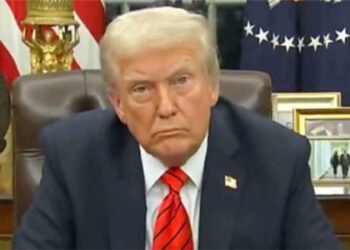
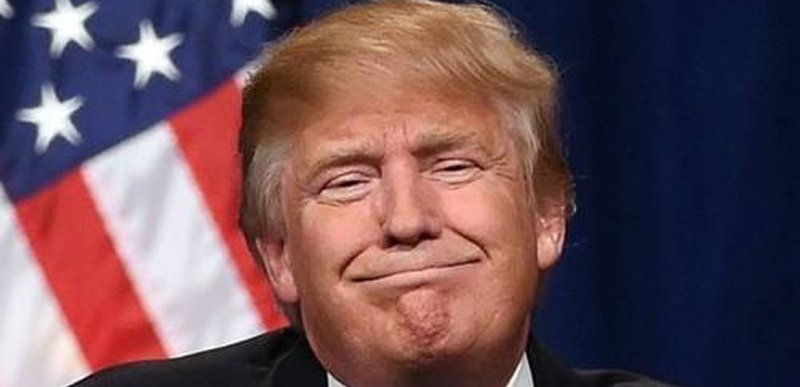
President Trump just praised them for advancing the bill, and also called out two Republicans for voting against it. But he was gentle about it…
Great news on NIL, in other words, straightening out the horrible situation taking place with respect to College Sports. It is out of control, and will lead to bankruptcies and disaster for many Colleges. If nothing is done, it is also very bad for Women’s Sports, all Olympic Sports, and everything else other than Football — But even Football is bad because, without “caps,” all Colleges will be financially consumed and, in many cases, it will ruin them.
We can’t have Professional Athletes going back to College for Big Dollars, and playing against much younger competitors. It’s both dangerous and unfair!
I want to thank all of the United States Senate for a very Bipartisan Vote. Both Parties know the importance of it. The only two Republicans that we lost were, surprisingly, from the Great State of Florida, Ashley Moody and Rick Scott, but I believe they will come along. This Vote is vital to future Sports in America.
I look forward to the Final Vote in the Senate next week and, ultimately, our House of Representatives. Thank you very much to Coach Nick Saban, Randy Levine, of The New York Yankees, and all of the others, especially those involved with Sports, that helped! This issue is polling at 91% — THE PEOPLE OF AMERICA WANT IT DONE. MAKE AMERICA GREAT AGAIN! President DONALD J. TRUMP
The vote in the Senate to advance the bill was a surprising 74–24.
I haven’t been following this, so a quick Grok query turned up this…
What the bill does on NIL, in short:
- Keeps athletes’ right to NIL deals, but sets national standards instead of a patchwork of state laws.
- Requires deals to have a real business purpose and pay that looks like a market rate, not disguised pay-for-play.
- Tightens how school-tied sponsors, apparel companies, and collectives can be used to dodge a spending cap.
- Raises the school revenue-sharing/athlete-pay cap (reporting has cited a jump from about $21 million toward the high $40 millions, with extra “retention” money so more deals can sit under the cap).
- Adds disclosure rules, a public NIL valuation database, agent fee limits, and a limited antitrust shield so the NCAA can enforce the new rules.