

















































The reality of managing performance right now is that the familiar levers are disappearing. Marketers used to choose precise audiences, adjust manual bids, test creative variations, and map direct cause and effect through standard metrics like clicks, opens, and conversions.
AI is reshaping that playbook. Algorithms in search engines, ad platforms, and automation tools now decide who sees what, when they see it, and how campaigns are optimized. While these automated systems save time, they also create a frustrating black box around how your results are actually generated.
Navigating this black box doesn’t mean giving up control. At the MarTech Conference (free and online Sept. 2), industry experts Christina Inge, CEO, Thoughtlight; Maria Corcoran, manager of performance media, Jiffy.com; Anthony Tedesco, global performance media lead, Cisco Systems, Inc.; and Jiaxi Zhu, head of analytics, Google, are breaking down what this shift means for your strategy.
The goal isn’t just adopting another AI tool. It’s figuring out which signals still reflect true business value when systems automate—and which legacy metrics are quietly misguiding your team.
When algorithms take over the controls
Across digital channels, platform automation is taking the driver’s seat.
Paid media channels automatically handle targeting and creative allocation. Search engines use AI answers to alter how users discover brands, shifting traffic patterns overnight. Email platforms use black-box logic to determine delivery timing and inbox placement.
While automation can scale campaign efficiency, it complicates your understanding of cause-and-effect performance.
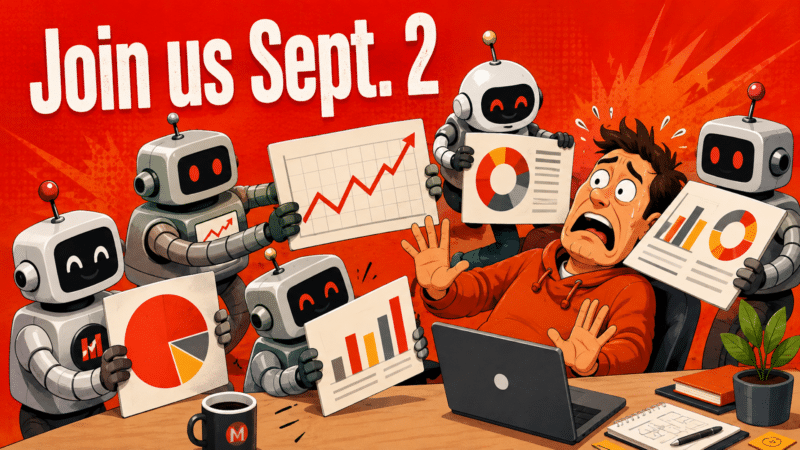
When a campaign spikes — or suddenly drops — which lever actually caused the shift? Was it your creative, an updated audience seed, or an opaque optimization inside the ad network?
Our MarTech panel will look across search, paid media, and email to demystify how automation changes performance mechanics, giving you a clear view of where your strategy can still make a direct impact.
Are your old metrics telling you the whole story?
As channel mechanics evolve, traditional metrics no longer tell the full story.
A dip in raw organic traffic doesn’t automatically mean your brand influence dropped — especially if customers interact with your business directly inside AI-generated search summaries. Click-based attribution offers an incomplete picture when discovery happens without a click.
The same shift is happening in paid media and email. Proprietary optimization models and privacy updates make traditional engagement signals harder to interpret reliably.
This doesn’t mean your legacy metrics are useless, but their role is changing. You will walk away with a clear framework for identifying which performance signals are losing reliability and evaluating real campaign health.
Finding the new levers of growth
Algorithmic execution doesn’t diminish your role as a marketing leader; it elevates where your strategic value matters most.
When platforms manage tactical execution like bidding and placements, high-leverage strategic inputs become your primary growth drivers. Your creative strategy, first-party data quality, business constraints, and signal feeds directly dictate what algorithms optimize for.
This is completely doable when you pivot from monitoring surface-level dashboard metrics to focusing on core business outcomes.
This session provides a clear path forward to help your team redirect its focus toward these high-impact inputs and build a resilient performance model as automation expands. AI might obscure the underlying algorithms, but your team can keep campaign outcomes fully transparent.
Join us at theMarTech Conferencefor“The AI performance shake-up: What’s really driving results across channels now” at the free and online event on Sept. 2, 2026.