


























In the wake of the attacks on September 11, 2001, radio station conglomerate Clear Channel Communications banned a slew of unlikely songs from the airwaves, including Simon & Garfunkel‘s “Bridge Over Troubled Water,” John Lennon‘s “Imagine,” Led Zeppelin‘s “Stairway to Heaven,” and many more. Another band that fell victim to the reactionary crackdown on free speech during a terrifying time in America was Green Day and their song “Brain Stew.”
The spirit of punk rock is to scream truth to power, no matter what the cost. Bands of that ilk tend to gravitate to the underground and indie record labels, where they can fully exercise their creative freedom and execute their vision without fear of corporate interference. Green Day is one of the rare – and undeniably most popular – punk-rock bands that, despite their fearless and sometimes controversial outspokenness, have spent the majority of their career on a major label (the Warner Bros. Records-owned Reprise).
Ironically, “Brain Stew” is a Green Day song that doesn’t involve the band’s political views whatsoever. To the contrary, the tune is personalized to frontman/guitarist Billie Joe Armstrong‘s struggle with insomnia. That Clear Channel put “Brain Stew” on its blacklist exemplifies the haphazard approach the company took to deciding which songs were inappropriate for public consumption as the country grieved over the deadliest terrorist attack in U.S. history.
Green Day Was One of the Bands Scrutinized After 9/11
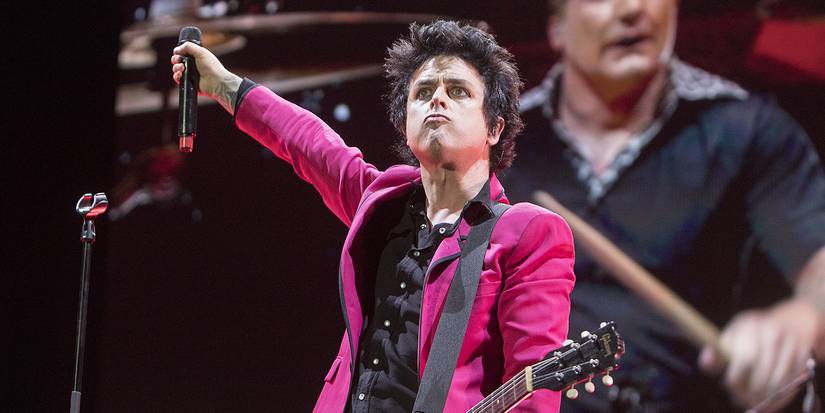 Image viaRaymond Ahner/The Photo Access
In the aftermath of a country experiencing a shocking tragedy, government officials and powerful companies often clamp down quickly on free speech. Authority figures tend to justify what many perceive as a violation of the Constitution’s First Amendment under the guise of public safety, claiming the public should not be exposed to ideas deemed unpatriotic or iconoclastic during national crises.
On September 13, 2001 – two days after 9/11 – Clear Channel circulated an internal memo listing approximately 160 songs that program directors considered to be “lyrically questionable.” The blacklist slowly faded as part of Clear Channel’s company policy beginning later that year. But as far as Green Day and other targeted bands were concerned, the ban had already damaged their reputations, including among those who believed that the blacklist surely had at least some merit because “where there’s smoke, there’s fire.”
How Green Day Responded to the ‘Brain Stew’ Ban
The ban on Green Day’s “Brain Stew” – which was released on April 10, 1996 – seemed to backfire. The band had played the song in concert 189 times prior to 2001. Since then, the punk-rock trio has performed the song 553 times.
To this day, “Brain Stew” continues to be a set list staple for the band. Meanwhile, the song has amassed 530,790,363 streams on Spotify, making it the 10th-most-played Green Day tune on the platform.
Green Day’s Decision to Go All in on Politics Was a Winner
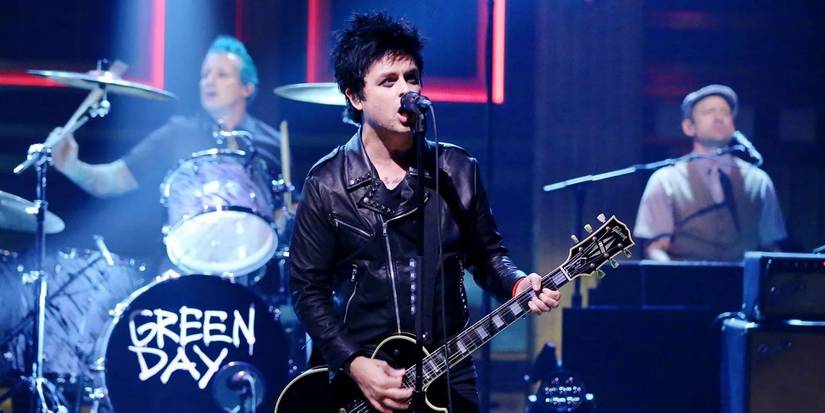 Image via NBC
The “Brain Stew” kerfuffle marked a turning point for the rambunctious band, as they evolved into one of the most politically outspoken mainstream bands of the 21st century. The censorship conflict foreshadowed the punk band’s years-long, bitter, public battle with President George W. Bush and his administration that culminated in their 2004 album, American Idiot.
The record, which also revolved heavily around 9/11 and the Iraq war, racked up 15 million sold copies, making it the second-most commercially successful full-length among Green Day’s 14 studio LPs. American Idiot achieved many additional accolades: It won Best Rock Album honors at the Grammy Awards in 2005 and was also nominated for Album of the Year. American Idiot even inspired a Broadway musical that resulted in another Grammy for the group, Best Musical Show Album, in 2011.
Green Day Faced – and Embraced – More Controversy After the Ban
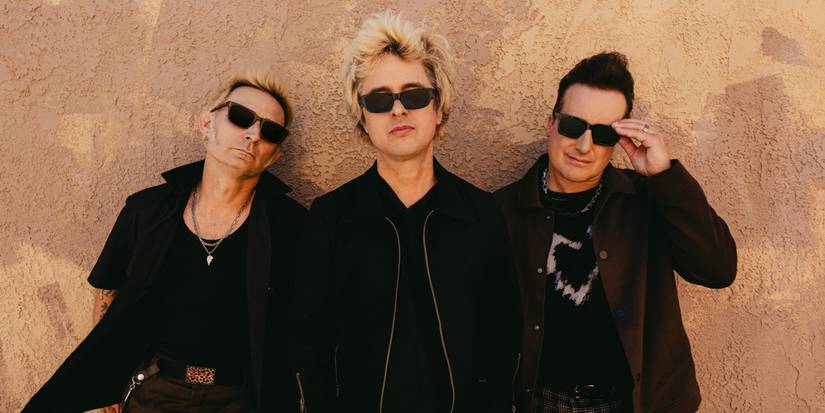 Image via Warner Records Press
While American Idiot went on to become one of the most essential albums of the 2000s, it wasn’t all roses and sunshine for Green Day. Naturally, anyone who wades into the divisive field of politics and challenges authority figures on a regular basis makes them vulnerable to the wrath of those who disagree. The same goes for artists, even if they are expected to challenge “the system.”
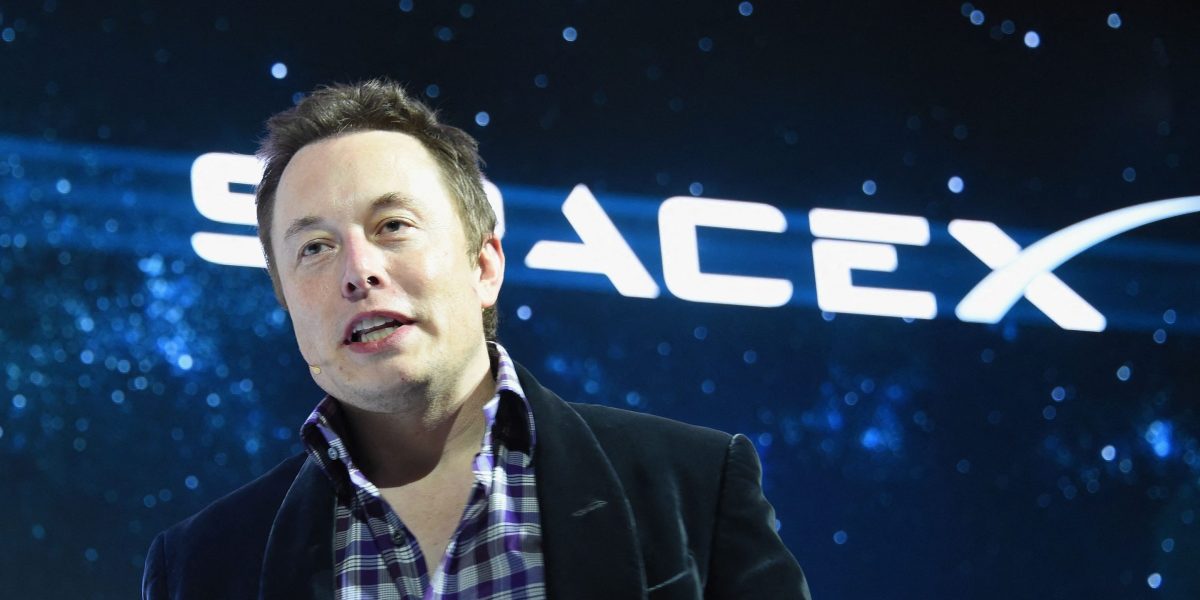
Green Day’s fanbase is massive, as proven by the band’s ticket and album sales. But the band has a wide swath of critics, from online commentators to the richest person in the world, Elon Musk, with whom the band had a very public feud over social media in 2024 and 2025.
Green Day Betray Their Brand at the Super Bowl
Demonstrating the difficulty and sometimes no-win situation a band faces when treading into political waters, Green Day also incurred the wrath of their own fanbase in February of this year. During Green Day’s performance at the opening of Super Bowl LX, Armstrong elided lyrics related to politics during the band’s performances of “Holiday,” “Boulevard of Broken Dreams,” and “American Idiot.”

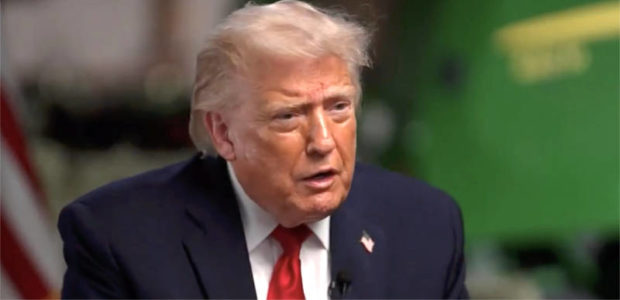
Armstrong attempted to regain those fans’ respect by railing against President Donald Trump’s administration and its Immigration and Customs Enforcement policies when Green Day performed at a Super Bowl weekend party after the game. How Green Day decides to openly challenge the government from this point forward is unclear. But what is certain is that they have amassed legions of both lovers and haters ever since the feud with Clear Channel over its “Brain Stew” ban 25 years ago.