






































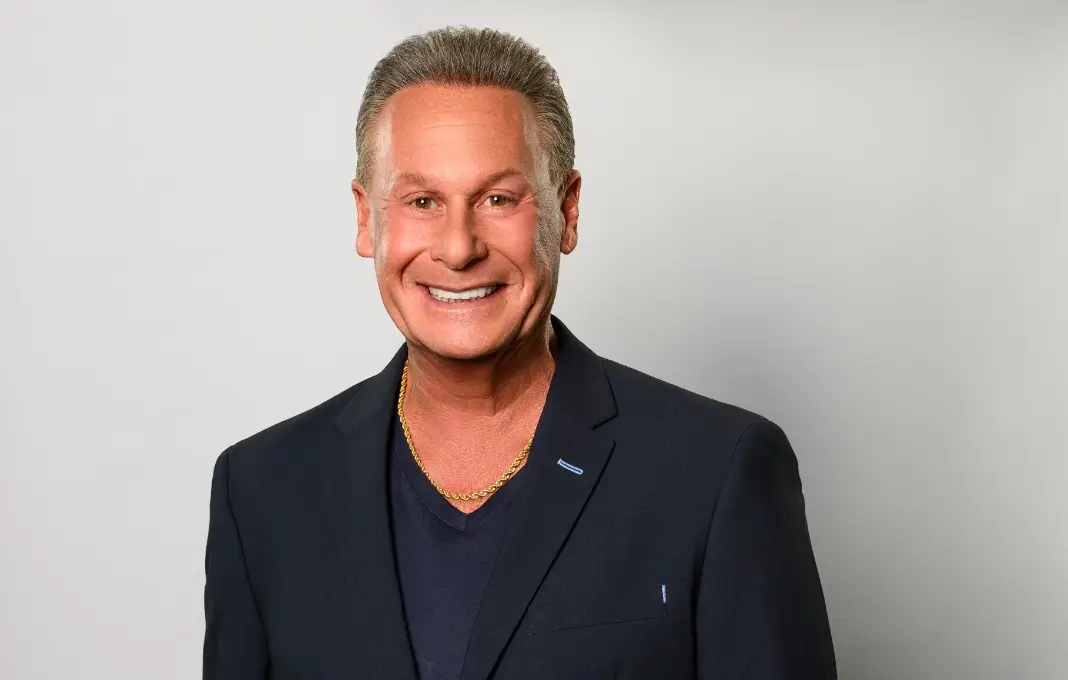
Sheldon Yellen has spent decades in the business of picking up the pieces—helping families, businesses and entire communities recover in the aftermath of fires, floods and other disasters. As CEO of Belfor, the Birmingham, Michigan–based global restoration firm with more than 14,000 employees in 550 offices, he operates at the intersection of urgency and empathy, where the stakes are both deeply human and intensely operational.
That duality has come to define his leadership philosophy. In high-pressure moments, Yellen says in the following interview, success depends less on technical expertise than on setting a clear emotional and cultural tone—one that prioritizes people first, channels pressure into focus, and ensures teams can move quickly and decisively even when the path forward is uncertain.
How has leading disaster recovery efforts shaped your approach to leadership during high-pressure moments?
Leading disaster recovery has shaped my leadership in one clear way. We meet people on some of the worst days of their lives, so my job is to set the tone for the entire team. Before we talk about repairs, timelines or logistics, we focus on making those in need feel safe, heard and taken care of. When my team can do that consistently under stress, we’re already ahead.
From there, the work becomes intensely operational. We still have to rebuild and restore property quickly, and our crews do physically demanding jobs under enormous pressure. I remind them that pressure is not the enemy. It is the environment. When we stay calm, communicate clearly and rely on each other, that pressure becomes energy and focus, not chaos.
So in high pressure moments, I lead by cutting through the noise, being present and reinforcing two priorities. Take care of the people first, then do the work the right way. Disasters are unpredictable, but disciplined leadership is not. When the team moves with clarity and care, the outcome is better for everyone.
What have you learned about why some communities recover faster than others after major disasters?
What I’ve learned is that recovery has less to do with the size of the disaster and more to do with how quickly a community can come together and pivot.
No two events are the same. Every site, every family, every neighborhood brings its own challenges. So you can’t walk in with a cookie cutter plan. The communities that recover fastest are the ones willing to adapt, make decisions quickly and stay aligned instead of getting stuck waiting for perfect answers.
Our role is to read the situation, set a clear direction and adjust when needed. Sometimes that means slowing things down and listening. Other times it means moving fast and clearing obstacles so crews can work. The key is staying flexible and focused on progress, not perfection.
The communities that do well understand that rebuilding is a process. They stay patient, support each other and keep taking the next step forward. That steady momentum makes all the difference.
How do you keep culture and execution aligned across a global workforce operating in crisis environments?
At Belfor, culture starts with who we bring in the door. We hire less for resumes and more for heart, empathy and the ability to show up for those in need. Skills can be taught. Character can’t. That mindset sets the tone for everything we do.
With teams spread across the globe, alignment comes from clarity and trust. We set clear expectations about how we treat people and how we execute the work, then we empower local teams to adapt and pivot based on what the situation demands.
Personally, I’m willing to take chances on people. Some of our strongest leaders are folks we took a risk on because they had drive and heart. When you build a team that cares deeply and trusts each other, culture and execution stop competing. They reinforce each other, even in the middle of a crisis.
How has your public-facing work influenced how you connect with employees and the communities Belfor serves?
I’m not sure you can lead a property restoration company without genuinely caring about people. For me, it starts with conversation. Sitting down with our team members and the families we serve, listening to their stories, understanding what they’re going through. That’s the part of the job I live for.
My public-facing work has only deepened that connection. The more people I meet, the more I’m reminded that leadership isn’t about talking, it’s about listening. I want to hear from the folks on the front lines doing the hard, physical work every day. I want to celebrate their wins and stand with them when things are tough.
That’s how trust is built. And when our people feel seen and supported, they naturally show up for customers with that same care. You can teach someone how to hang drywall or remove carpet. You can’t teach heart. That’s what really defines us. At the end of the day, everything comes back to people helping people. If we stay connected to that, everything else falls into place.