




















































A breakout shows up right before an event, and suddenly your routine turns into late-night research, endless product tabs, and confusion over ingredients that all promise clearer skin. While scrolling through treatments, many people comparing acne products eventually land on benzoyl peroxide and salicylic acid before deciding what actually deserves a place in their routine.
The benzoyl peroxide vs. salicylic acid debate keeps growing for good reason, especially now that skincare consumers are paying closer attention to ingredients instead of buying products blindly. Although both are widely used for acne treatment, they work very differently, and understanding that difference can completely change how effective a routine becomes.
For years, acne treatment advice stayed overly simplified. One product was expected to fix every type of breakout, even though clogged pores, inflamed pimples, hormonal acne, and textured skin all behave differently. That is exactly why knowing how these two ingredients function matters so much now. One targets acne-causing bacteria aggressively, while the other focuses on exfoliating inside the pores to clear congestion before breakouts fully develop.
So before adding another cleanser or spot treatment to your cart, here’s what actually separates benzoyl peroxide from salicylic acid, who each ingredient works best for, and when to use them for clearer, healthier-looking skin.
What is Benzoyl Peroxide?
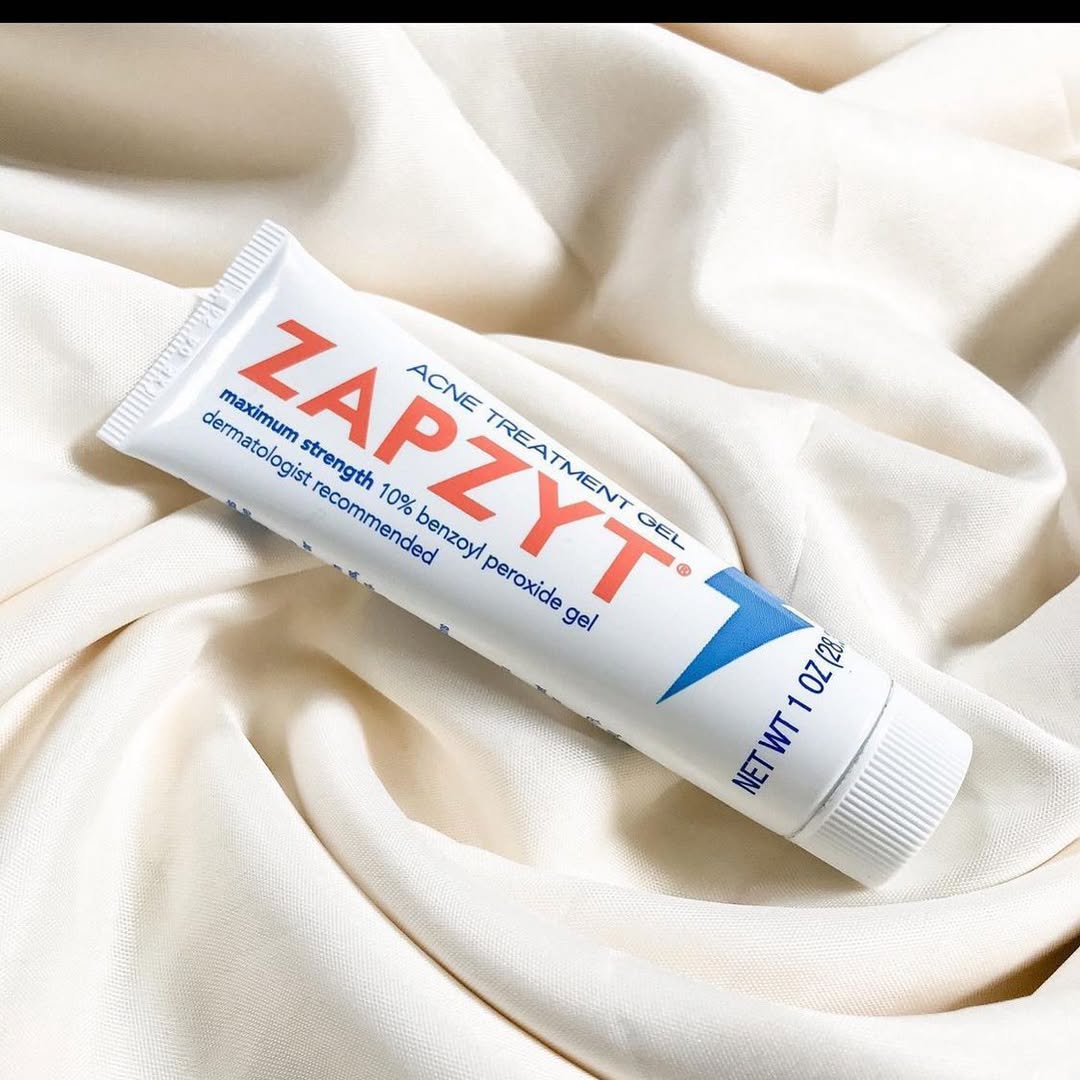
Benzoyl peroxide is one of the most recognized acne-fighting ingredients in skincare, largely because it targets the bacteria linked to inflamed breakouts. It works by releasing oxygen into the pores, creating an environment where acne-causing bacteria struggle to survive.
This ingredient is especially effective for:
- Red, inflamed pimples
- Painful acne bumps
- Whiteheads filled with pus
- Moderate breakout flare-ups
People searching for answers around benzoyl peroxide vs. salicylic acid are often dealing with angry, recurring acne that needs stronger intervention, and this is where benzoyl peroxide usually stands out. Dermatologists frequently recommend it for acne that looks swollen, irritated, or visibly inflamed rather than tiny clogged bumps alone.
However, stronger does not always mean universally better. Benzoyl peroxide can sometimes dry out the skin heavily, especially when used too frequently or at high percentages. Deeper skin tones, in particular, may experience irritation when the skin barrier is over-stripped, which can worsen post-inflammatory hyperpigmentation after breakouts heal.
That is why lower concentrations, typically between 2.5% and 5%, are often enough for many people without creating excessive dryness.
Shop here
What is Salicylic Acid?
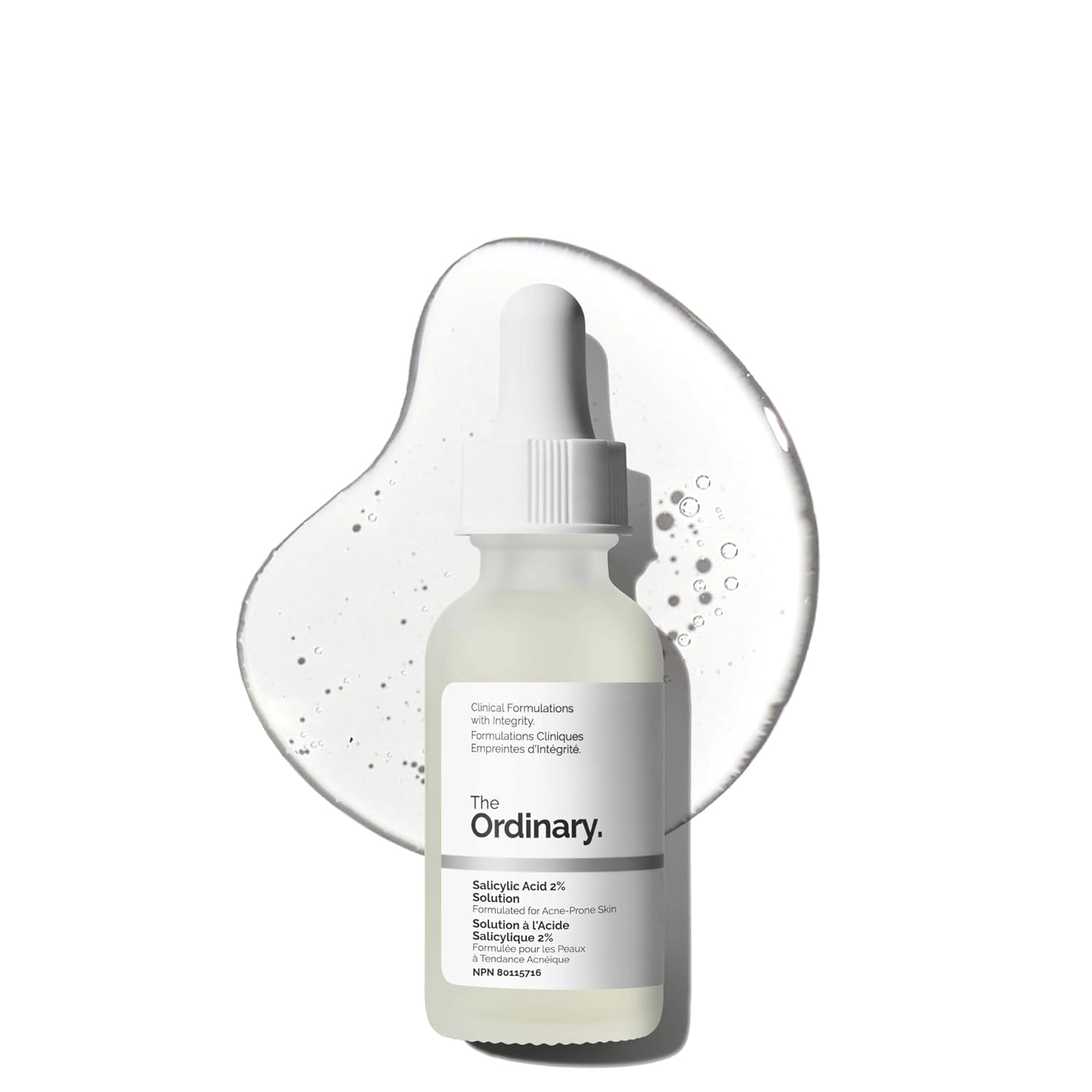
Salicylic acid works differently. Instead of targeting bacteria directly, it exfoliates deep inside the pores to break apart oil, dead skin cells, and buildup that contribute to acne formation.
This ingredient is especially useful for:
- Blackheads
- Whiteheads
- Congested pores
- Oily skin
- Texture and roughness
- Early-stage breakouts
Unlike harsh physical scrubs that can irritate acne-prone skin, salicylic acid penetrates oily areas and helps dissolve congestion gradually. Many skincare enthusiasts with acne-prone skin often discover that their acne is actually rooted in clogged pores rather than severe bacterial inflammation, which explains why salicylic acid often performs better for them.
Another reason salicylic acid remains so popular is its versatility. It appears in cleansers, toners, serums, masks, and spot treatments, making it easier to incorporate into routines without overwhelming the skin.
For oily and combination skin types, especially in humid climates, salicylic acid often helps regulate buildup before acne escalates into larger breakouts.
Shop here
The Biggest Difference between Them
The simplest way to understand the difference is this:
- Benzoyl peroxide attacks acne-causing bacteria.
- Salicylic acid clears clogged pores and excess oil.
That distinction matters more than many realize. Acne is not always caused by the same trigger, which explains why one ingredient may work beautifully for one person and poorly for another.
Much of the confusion surrounding the benzoyl peroxide vs. salicylic acid debate comes from treating every breakout the same way, even though clogged pores and inflamed acne behave very differently. Tiny bumps across the forehead, oily congestion around the nose, and painful hormonal chin acne may all require different approaches.
In many cases:
- Inflamed acne responds better to benzoyl peroxide.
- Congested, oily, textured skin responds better to salicylic acid.
Some routines even combine both carefully, though overusing them together can easily damage the skin barrier.
Who Should Use Benzoyl Peroxide?
Benzoyl peroxide tends to work best for people experiencing:
- Persistent inflamed acne
- Moderate acne flare-ups
- Acne with redness and swelling
- Acne-prone oily skin needing stronger treatment
It is commonly found in:
For deeper skin tones especially, moderation matters. Overuse can trigger dryness, irritation, and darker acne marks afterward. Hydrating cleansers, barrier-supporting moisturizers, and sunscreen become extremely important when using benzoyl peroxide consistently.
Many dermatologists also suggest starting slowly, using it two or three times weekly before increasing frequency.
Who Should Use Salicylic Acid?
Salicylic acid is often the better choice for:
- Mild acne
- Blackheads and whiteheads
- Oily or combination skin
- Textured skin
- Enlarged-looking pores
People frequently lean toward salicylic acid for everyday acne prevention because it integrates more smoothly into long-term maintenance routines.
It works especially well in:
- Cleansers
- Toners
- Serums
- Exfoliating pads
Salicylic acid can also help reduce the buildup that contributes to uneven texture without the intense dryness stronger acne treatments sometimes create.Still, balance remains important. Over-exfoliating can weaken the skin barrier and increase irritation over time.
Can You Use Both Together?
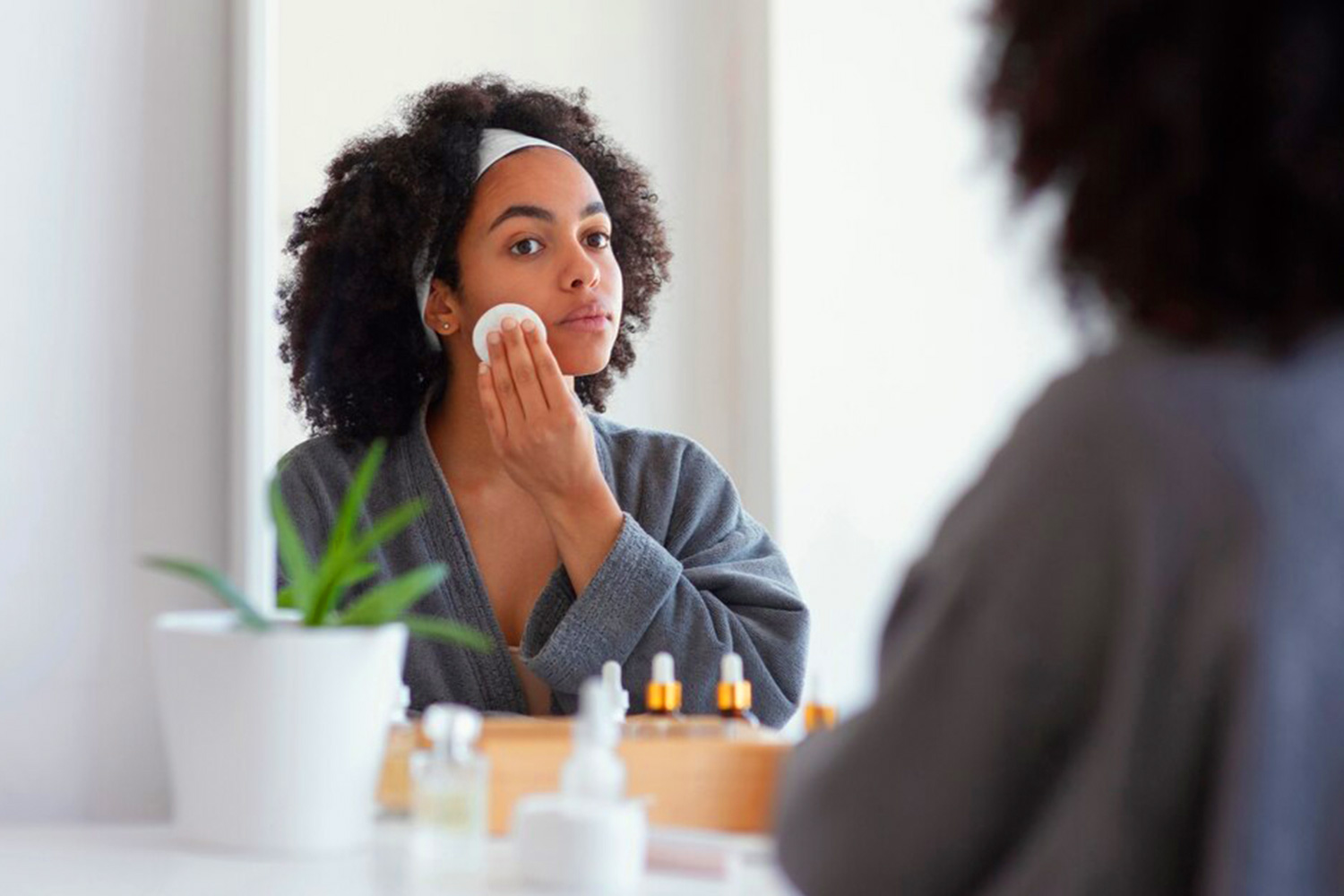
Yes, but carefully. Some people use salicylic acid in cleansers or toners and benzoyl peroxide as a spot treatment.Others alternate them on different nights to reduce irritation.
The key is avoiding overload. Using multiple strong actives at once often creates redness, peeling, sensitivity, and dehydration, especially for acne-prone skin already dealing with inflammation.
A strong skincare routine does not always come from stacking the most aggressive products together. Consistency, hydration, and barrier support usually create better long-term results than harsh routines that repeatedly strip the skin.
What Ingredients Pair Well with Them?
When treating acne, supporting ingredients matter almost as much as the treatment itself.Good ingredients to pair with benzoyl peroxide or salicylic acid include:
- Niacinamide for calming irritation
- Hyaluronic acid for hydration
- Ceramides for barrier support
- Panthenol for soothing dryness
- Azelaic acid for post-acne marks
Many skincare consumers comparing benzoyl peroxide vs. salicylic acid overlook hydration completely, even though dehydrated skin can sometimes produce even more oil afterward.Healthy acne routines balance treatment with repair.
Final Thoughts
Acne treatment has become far more ingredient-focused, and honestly, that shift is helping consumers make smarter skincare decisions instead of relying on trial and error alone. Benzoyl peroxide and salicylic acid both deserve their reputation, but they solve different problems, which is exactly why understanding your skin type and breakout pattern matters first.
For inflamed acne, benzoyl peroxide often delivers faster visible improvement. For oily congestion, textured skin, and clogged pores, salicylic acid usually becomes the stronger long-term option. Some people benefit from combining both strategically, while others see better results sticking with one consistently.
The most effective routine is rarely the harshest one. Skin typically responds better to patience, balanced hydration, and ingredients chosen for the specific type of acne showing up on your face rather than whatever product happens to trend online that week.
Featured image: Neutrogena
—Read also