

























![Glee Star Officially Reveals What They Want To See From Ryan Murphys Reboot [Exclusive]](https://static0.colliderimages.com/wordpress/wp-content/uploads/sharedimages/2024/04/glee-poster.jpeg?q=49&fit=contain&w=480&dpr=2 "Glee Star Officially Reveals What They Want To See From Ryan Murphys Reboot [Exclusive]")
















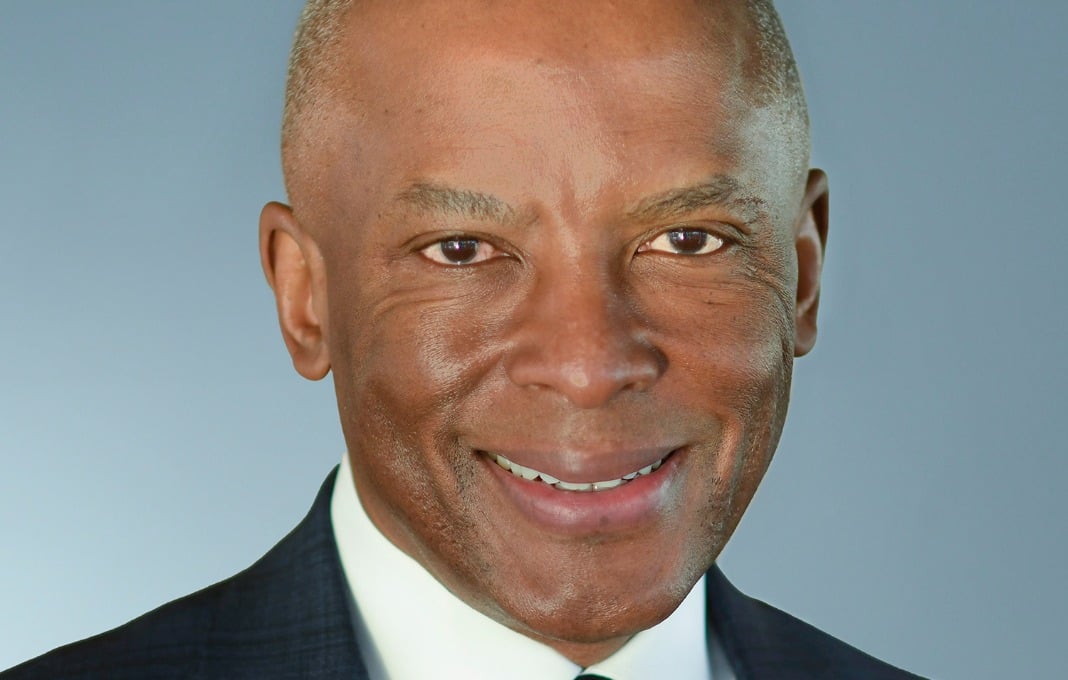
As CEO of a Fortune 500 company for more than 36 years, I’ve learned that avoiding difficult conversations doesn’t make challenges disappear. In fact, delay often makes them harder, more costly and more difficult to overcome. In fact, if you know me, you’ve often heard me say that “bad news does not improve with age.”
Take cancer for instance.No one likes to talk about it—it can be uncomfortable and chilling—but certainly easier to deal with when discovered early than an advanced cancer diagnosis. Avoiding the conversation or a screening doesn’t reduce any of the risk; it just limits information that can help you make better decisions.
Cancerremains one of society’s greatest health challenges, but according to the American Cancer Society, with whom we partner, the five-year survival rate for many cancers increases to more than 90 percent when detected early.New technology and treatments are sticking a thumb in cancer’s eye, taking away its advantage.
That’s why it’s frustrating that our 2026 Aflac Wellness Matters Survey, which studies people’s attitudes towards preventive care and routine examinations, shows that the wrong numbers remain high. Specifically, more than 90 percent of Americans continue to put off recommended health screenings.
Of course, there are legitimate barriers: logistics, costs and long waits for appointments. But other factors like being able to enjoy family and friends should outperform these obstacles.Scheduling and keeping proactive appointments must be a priority. Sure, daily responsibilities compete for our attention, but when preventive care falls to the bottom of the priority list, the consequences can be significant.
I’ve seen this reality firsthand.
During the pandemic, a friend’s wife delayed annual checkups. When she finally went to her doctor after more than a year, her cancer diagnosis was stage III. Cancer didn’t care that there was a pandemic; it had advanced to the point where treating it was more uncomfortable, more expensive and had a less certain outcome. Thankfully she made it through, but her journey was far more difficult than it might have been. Sadly, her story is not unique.
When it comes to improving the cancer survival rate, we need to make common sense more common. For instance, 90 percent of respondents say that cancer screenings give them peace of mind.So why aren’t we doing more of them?
Technology also has an important role to play. Our survey found that many younger adults are already turning to artificial intelligence for health-related questions and guidance. AI can be a useful tool for helping people better understand risks and prepare for an appointment. But information alone is not healthcare. Algorithms don’t schedule a colonoscopy, make an appointment with the dermatologist; chatbots can’t drive you to a mammogram. That’s where personal leadership is so important.
Perhaps the most concerning finding from our survey is that 46 percent of Americans don’t know when they are supposed to begin cancer screenings.It is a societal failure to have the data showing the benefits of early detection, and yet nearly half of the population is oblivious of how and when to check for cancer. We need to step it up. Each of us has the opportunity to lead when it comes to our own well-being and the well-being of those we love. Being a leader means scheduling the appointment and encouraging someone else to do the same.
Be the CEO of your healthcare journey.