


































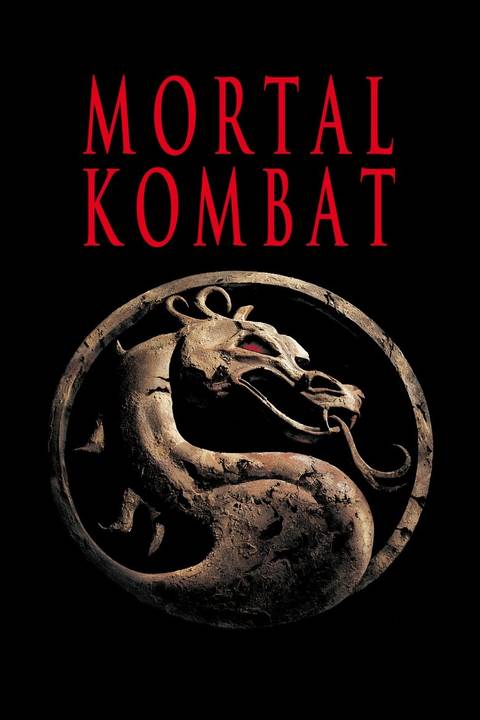
The slander and negativity directed towards 1995’s Mortal Kombat have gone on far too long. The millennial video game fantasy flick currently holds a 44% critic score alongside a 58% audience score on Rotten Tomatoes. The disrespect toward a film featuring this level of martial arts talent is astounding, and the late Cary-Hiroyuki Tagawa is rolling over in his grave. One of the main gripes from the peanut gallery is that the CGI doesn’t necessarily hold up 30 years later. Apologies for the visual effects used in a movie based on a SEGA Genesis video game series that don’t live up to today’s superhero movie CGI.
In 1995, it was a mere 22 years after Westworld became the first feature film to use computer-generated imagery. Not to mention, 1995 saw Toy Story, the first-ever fully CGI film, come to fruition. Perhaps audiences and critics alike would do well to give Mortal Kombat a bit of grace and leeway. Technology isn’t developed overnight, and looking back, CGI was in its infancy in 1995. Can cinephiles take a second to appreciate what Paul W.S. Anderson accomplished? The director created the first live-action iteration of characters who had only ever been available in a two-dimensional world. The point being, Mortal Kombat is much better than movie buffs and keyboard warriors give it credit for.
‘Mortal Kombat’ Turned Video Game Characters Into Pop Culture Icons
By the time the film hit theaters on August 18, 1995, three Mortal Kombat video games had already been released. Suffice it to say, the distributor, Midway Games, had already established a substantial audience. Credit where credit is due, both Ed Boon and John Tobias were heavily involved in helping Kevin Droney craft the screenplay. Boon and Tobias were responsible for designing the original video game, and their input ensured that the movie never strayed too far from the game. It makes sense, then, that the featured characters are true fan favorites.
Johnny Cage (Linden Ashby) is a phrase-factory. As such, audiences were gifted that ’90s snark with iconic one-liners like, “This is where you fall down” and “Do I look like your travel agent?” While the villainous sorcerer, Shang Tsung (Tagawa), sends chills down every viewer’s spine with lines taken straight from the video game, including “Flawless victory” and “Your soul is mine.” Nostalgia has always been a large part of this franchise’s DNA, and getting attached to characters (good or evil) is one aspect of that. What society shouldn’t do is blame and/or punish this relic of millennial content for simply being a product of its time.

Mortal Kombat’ Had a Legitimately Impressive Martial Arts Cast
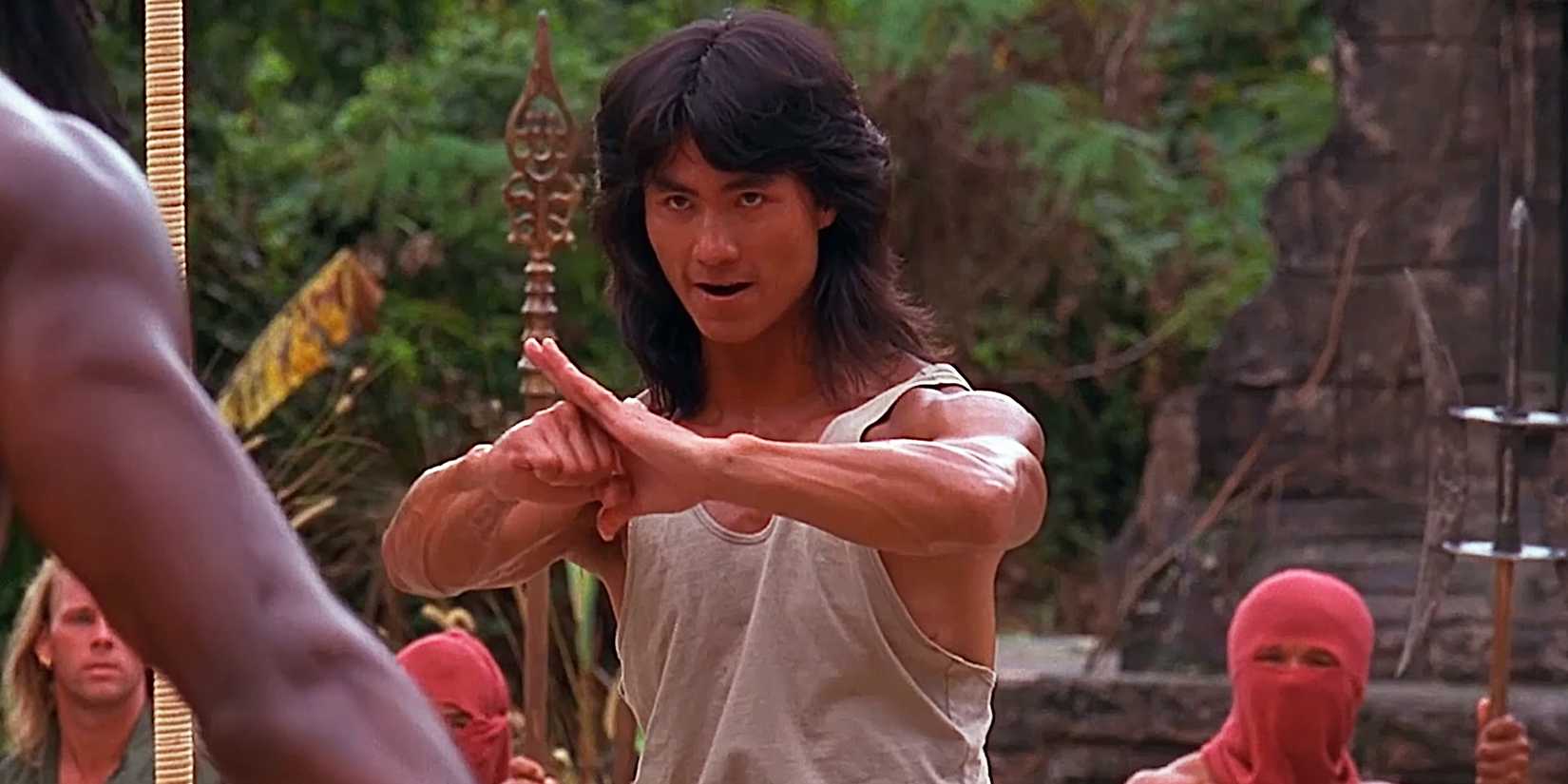 Image via New Line Cinema
A majority of the cast are professionally trained martial artists, and without their talents, the film franchise never would have gotten off the ground. Liu Kang (Robin Shou) is a real-life International Forms Champion who practiced Wushu before becoming a Hong Kong stuntman. Cary-Hiroyuki Tagawa studied both Shotokan karate and kendo before making it big in Hollywood. Sub-Zero (François Petit) holds black belts in both Goshindo Ju-Jitsu and Karate Do, and he also worked as a professional chiropractor in the WWE. Those are just some of the names who put their bodies on the line to make this movie a top-tier action flick. Lest we forget the team of nearly 60 stunt coordinators, players, and doubles who helped bring the film to life.
Whether it’s Mortal Kombat or a rival franchise such as Tekken or Street Fighter, the purpose behind video games is for players to have fun. So, in turn, shouldn’t watching a movie based on said video games have the same purpose? It seems as though audiences have forgotten how to have fun. Here’s some reassurance: not everything needs to be a Russo Brothers trudge or a James Cameron visual effects epic. It’s time to put some real respect on Mortal Kombat’s name and get back to having fun watching movies.
- Release Date
-
August 18, 1995
- Runtime
-
101 minutes
- Director
-
Paul W. S. Anderson

-

-

-
Bridgette Wilson-Sampras
Sonya Blade
-
Christophe Lambert
Lord Raiden