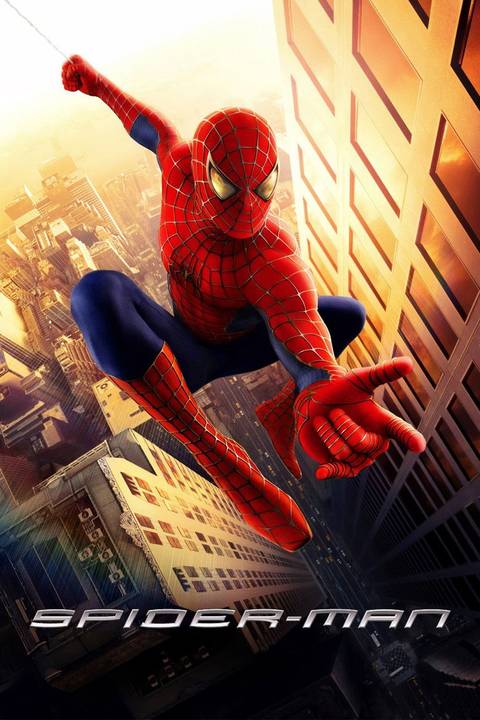



































In the mood for a science fiction adventure that will inspire you to be better on all accounts? It may just be time for you to return to the “amazing fantasy” that is the original Spider-Man trilogy. Directed by Sam Raimi, the initial 2002 film helped spark our modern obsession with seeing superheroes brought to life on the big screen, and pictures like its sequel, Spider-Man 2, exceeded expectation. While some may be split on how the third entry ultimately shaped out, there’s no denying that the Tobey Maguire films not only hold up, but the trilogy is the perfect weekend binge that, in the words of James Franco‘s Harry Osborn, is just “so good.”
The Sam Raimi Spider-Man Trilogy Changed Superhero Movies Forever
After decades of trying to get the web-slinger off the ground and onto the big screen (see James Cameron‘s unrealized project), it was Sam Raimi — a lifelong Spidey fan — who did the impossible. Spider-Man truly changed the superhero game forever. Hollywood had been turned off to the genre after the failure that was Batman & Robin, but after the success of Blade and X-Men, Sony gambled with Marvel’s flagship hero. Everything great about not just superhero movies, but zlso sci-fi adventures, can be found in the original Spider-Man. While “grounded” in fantastical science that explains both the wall-crawler’s superpowers and the transformation of his nemesis, Green Goblin (Willem Dafoe), the film is most profound for its themes of heroism, redemption, and self-sacrifice. The “with great power comes great responsibility” line had been known by comic book aficionados for decades, but Cliff Robertson‘s Uncle Ben immortalized the words within our collective pop-cultural consensus, inspiring us all to a higher standard. It’s no wonder it sparked a trilogy.
Spider-Man thrived in bringing Marvel’s brand of relatable “everyman” superhero to life on the screen, and though it’s perhaps not as “hard sci-fi” as some reading this would prefer, it certainly qualifies as a “sci-fi adventure.” Spider-Man 2 takes this even further with the introduction of Alfred Molina‘s Otto Octavious, who uses A.I.-enhanced mechanical tentacles to contain a nuclear fusion machine. By the time Spider-Man 3 comes around, the trilogy concludes with the introduction of a parasitic alien symbiote and Thomas Haden Church‘s Sandman, who gains his abilities after a freak accident involving a particle accelerator. Yet, no matter how “outlandish” or improbable these comic book stories seem, Raimi masterfully balances the fantastical with deeply grounded emotional truth. We feel Peter Parker’s deep loss, his guilt, and his struggle to come out on top. Between all three films, he undergoes a redemption arc, a depressive period of self-doubt, and is forced to confront his inner hatred and pride before choosing, once more, to honor his uncle’s words. It’s spectacular.

Unlike many superhero or adventure films made today, the Raimi Spider-Man trilogy is refreshingly earnest and sincere. It doesn’t make light of Peter’s hardships or sweep them under the rug, nor does it pepper in a joke every few minutes to ease the tension. Of course, there are comedic elements woven throughout, but never at the expense of the drama itself. Raimi lets us live and breathe with Peter Parker, Mary Jane Watson (Kirsten Dunst), Harry Osborn, and the rest of the cast, offering a true-to-life take on the world of Marvel Comics that has been beloved by audiences for years. As J. Jonah Jameson (J.K. Simmons) might say, “Give me Spider-Man!”
‘Spider-Man’ and Its Sequels Still Hold Up After All This Time
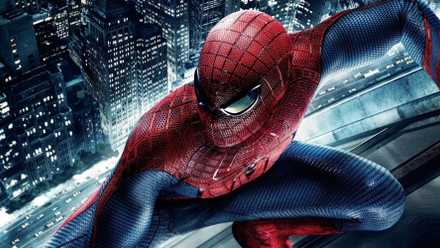
What’s truly amazing about the Spider-Man trilogy is how well it still holds up, especially when compared to the (admittedly underrated) Amazing Spider-Man duology or the MCU Spider-Man flicks. Sure, some of the CGI is a bit clunky, but the practical effects mixed with the breathtaking cinematography, brilliant costume design, and remarkable Danny Elfman (Christopher Young in the third film) score combine to form a stunning work of cinematic art. Spider-Man 2 alone has often been considered among the very best comic book movies ever made — for many, it remains the standard for what a superhero sequel should be. In fact, we might go a step further by adding that the entire trilogy is the standard for what superhero films (not to mention sci-fi adventures) should be.
And before some of you rag on Spider-Man 3, we’ll defend the final entry. It may not be an instant classic in the same way Spider-Man was, nor does it reach the same heights as Spider-Man 2, but it is a strong ending to a standout series that tries something new. Plus, folks hoping for another action-packed Spidey adventure should note that the action sequences here are some of the trilogy’s very best. Of course, if you’re unsatisfied and want more, you can always pick back up with Maguire’s Spidey (and his worst adversaries) in Spider-Man: No Way Home. But the truth is, Raimi’s trilogy is perfectly complete on its own.