


































Since the dawn of storytelling, the fantasy genre has captured and amazed humans more than any other. It is a genre limited only by the creativity and limitations of the storyteller, and often includes the likes of fantastical worlds of monsters and magic, daring heroes who rise up against darkness, and allegories for the troubles we experience in our day-to-day lives. This gives fantasy a uniquely timeless appeal, and its flexibility allows the genre to take place whenever, be it the ancient past or even modern day.
Fantasy has adapted well to the rise of cinema, and the advancements of special effects have made it easier than ever to bring these worlds to life. If you’re in the mood for a good fantasy film, but not one of the multi-hour-long epics like The Lord of the Rings or Conan the Barbarian, never fear, there are plenty of great ones that can be watched within 90 minutes.
10
‘Bridge to Terabithia’ (2007)
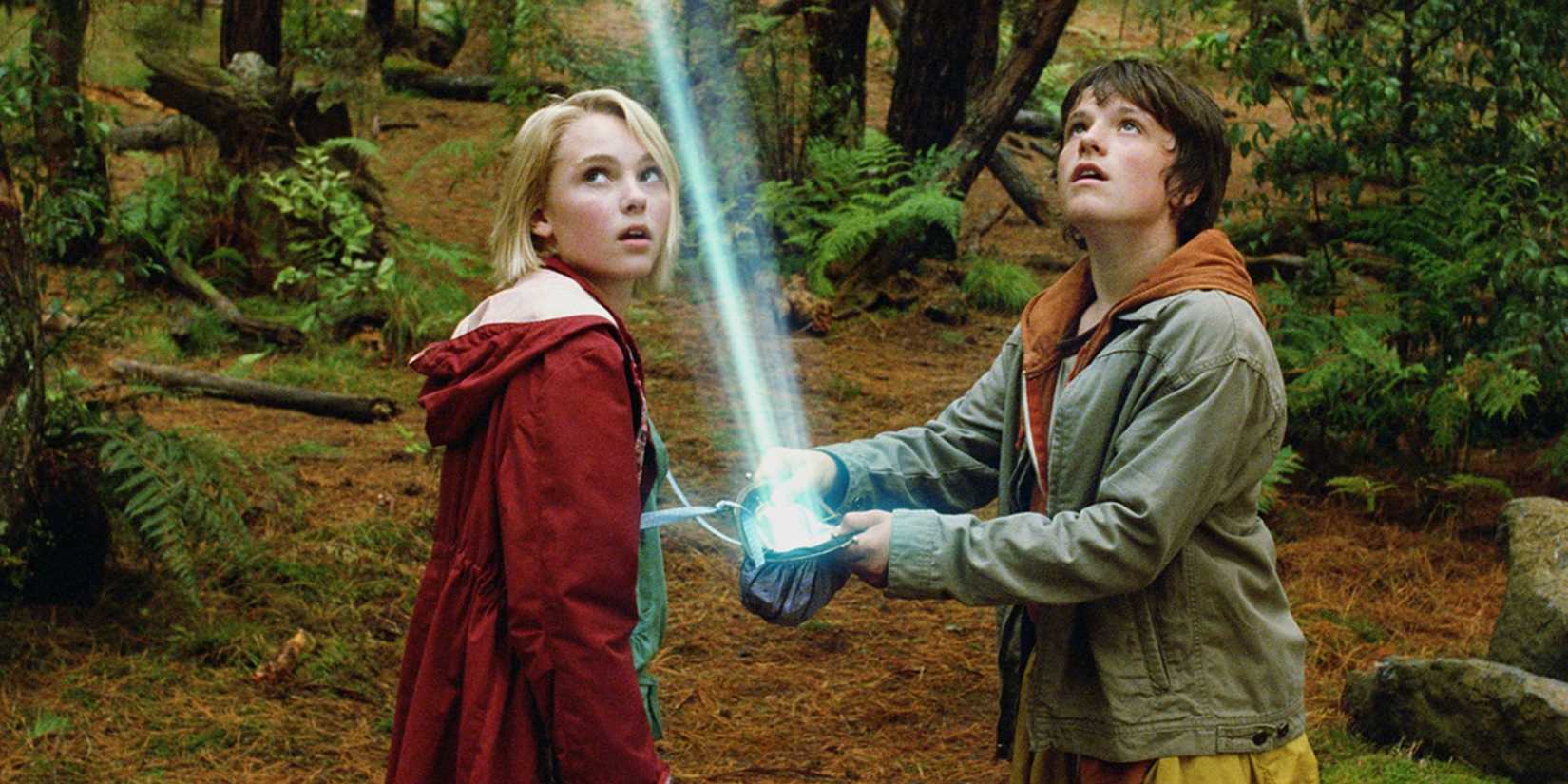 Image via Walt Disney Pictures
Jess Aarons (Josh Hutcherson) is a young man with a love for art, but struggles socially due to his family’s financial situation and school bullies. One day, he befriends new student Leslie Burke (AnnaSophia Robb), and together they discover an abandoned tree fort on the other side of a creek. Together, they invent a new world called Terabithia, which they use to confront the fears and stresses of their lives.
Bridge to Terabithia was co-written and produced by David L. Paterson, son of the original book’s author, Katherine Paterson, so it’s no surprise that the film is incredibly faithful to the novel. The effects likewise do a pretty good job of bringing Terabithia to life, especially when it combines aspects of Jess and Leslie’s bullies into the monsters they face. However, what really makes the film so good is the third act, which touches on themes of grief and loss while also showing how fantasies can help us cope with them and move on.
9
‘Legend’ (1985)
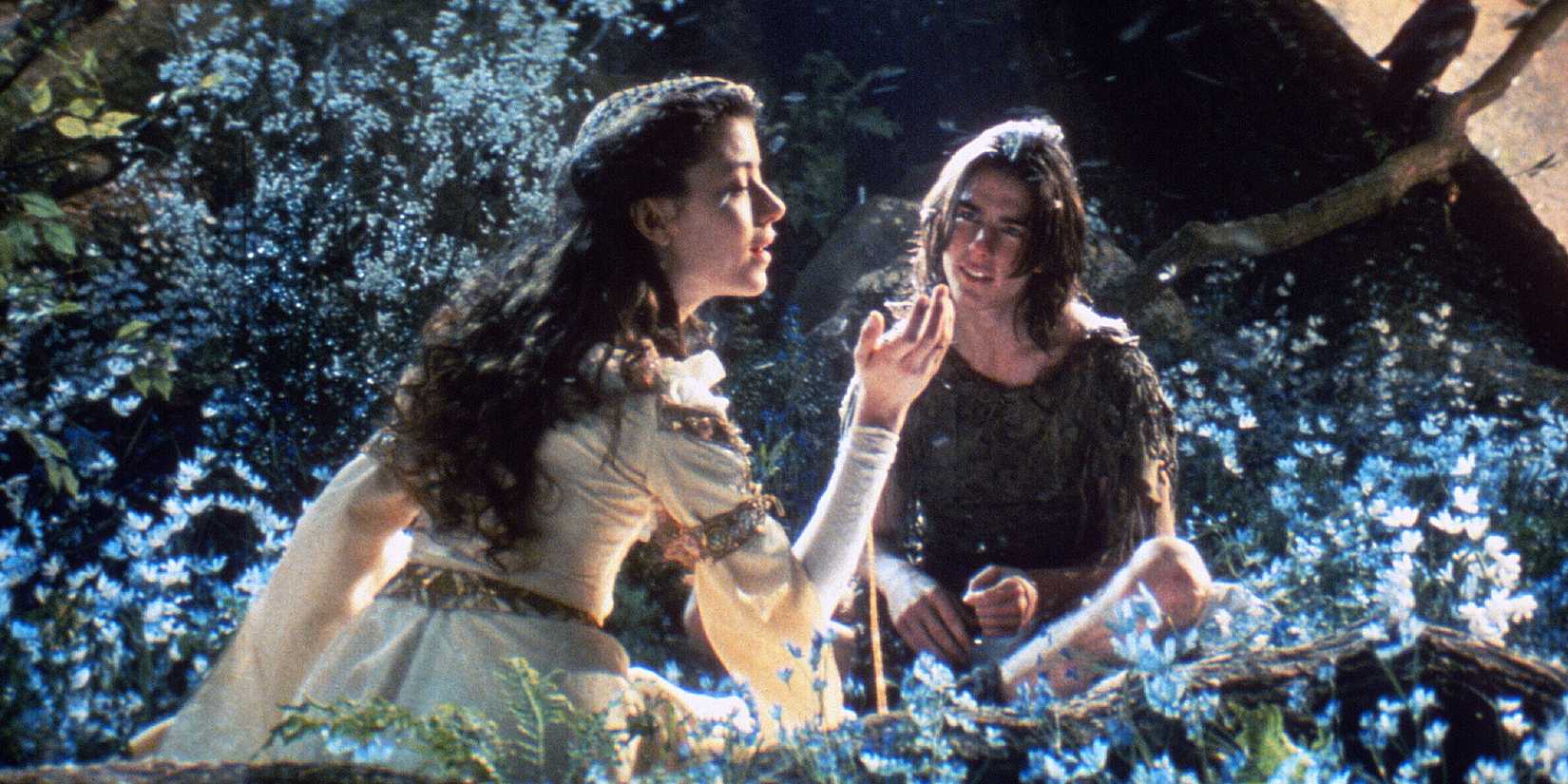 Image via Universal Pictures
One day, while visiting her forest friend, Jack O’ the Green (Tom Cruise), Princess Lili (Mia Sara) is given the honor of seeing the last two unicorns. Unfortunately, she was followed by the goblin Blix (Alice Playten), who kills the unicorn stallion and steals his horn for her master, Darkness (Tim Curry). This plunges the forest into a magical winter, and Jack and Lili must recover the horn and protect the unicorn mare from Darkness, lest he kill her as well and plunge the world into eternal night.
Legend uses its fairy tale plot to show off impressive special effects and tell a simple but effective story about good vs evil. The forest set looks so lifelike at times, to say nothing on the practical effects used to create Darkness, Blix, and the swamp hag Meg Mucklebones (Robert Picardo). If you do watch the film, make sure to find the director’s cut, which has better pacing, music, and a more satisfying ending to the theatrical cut.
8
‘The Last Unicorn’ (1982)
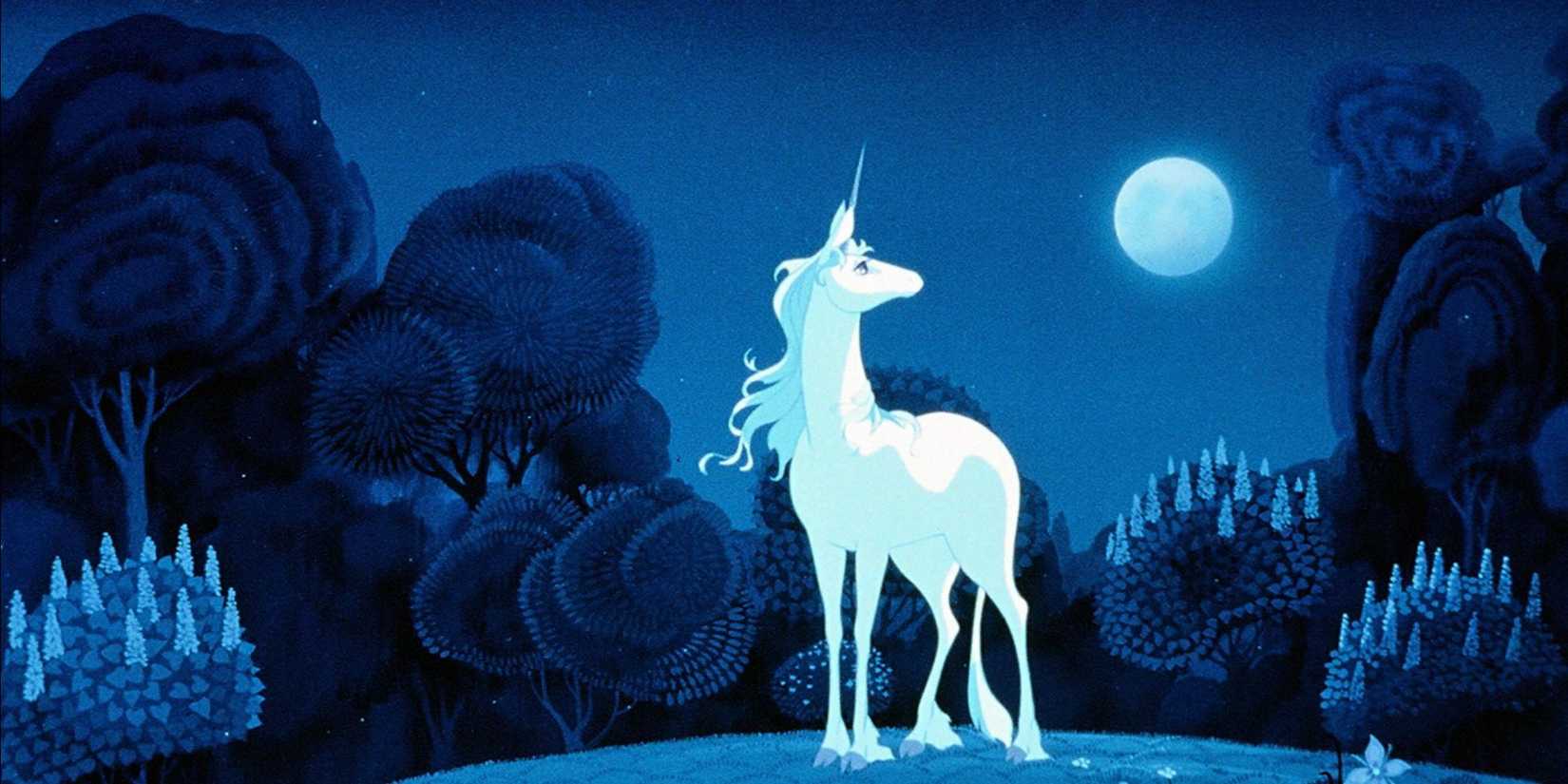 Image via ITV Studios Global Entertainment
After overhearing two hunters, a unicorn (Mia Farrow) fears that she might be the last of her kind left in the world. A passing butterfly (Robert Klein) tells her that the others were driven off long ago by a monstrous Red Bull, which lives in the gloomy country of King Haggard (Sir Christopher Lee). The unicorn sets off to learn the truth, and is aided by a bumbling magician named Schmendrick (Alan Arkin) and a bandit woman named Molly Grue (Tammy Grimes).
The Last Unicorn combines gorgeous hand-drawn animation from Topcraft, the predecessor to Studio Ghibli, with Peter S. Beagle’s melancholic fairy tale. The story both adheres to fair tale clichés to the point that they are baked into the bones of the world while also emphasizing themes of grief, regret, loss, and immorality, which adds a somber tone that avoids becoming too bleak. It’s also got some great music provided by America.
7
‘How to Train Your Dragon’ (2010)
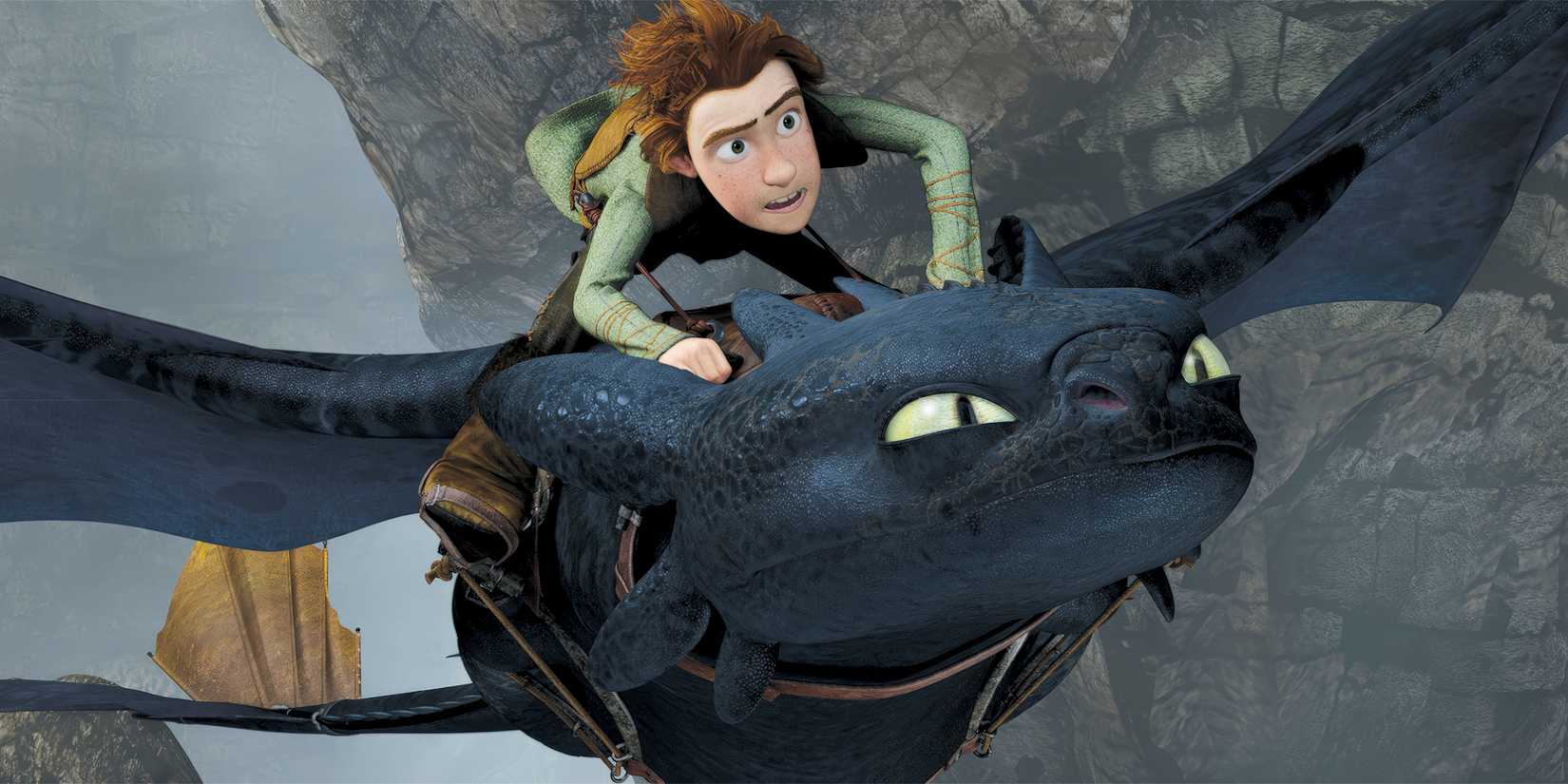
Image via DreamWorks Animation
Hiccup (Jay Baruchel) is a Viking from the town of Berk, who uses his ingenuity to shoot down a deadly dragon called a Night Fury during a raid. However, he can’t bring himself to kill the dragon, who he nicknames Toothless (Randy Thom), and instead observes him due to an injury that prevents him from flying. These observations allow Hiccup to excel in his dragon fighting lessons, and reveals that dragons are far more complicated than any Viking thought.
How to Train Your Dragon became one of DreamWorks’ most successful films, spawning a massive franchise of sequels, video games, and television shows. This is thanks to the bond that forms between Hiccup and Toothless, which gives the film a strong emotional core concerning looking past prejudices and building a better world through cooperation and understanding. It also looks gorgeous, with creative dragon designs and some of the most beautiful flying sequences in animated films.
6
‘Song of the Sea’ (2014)
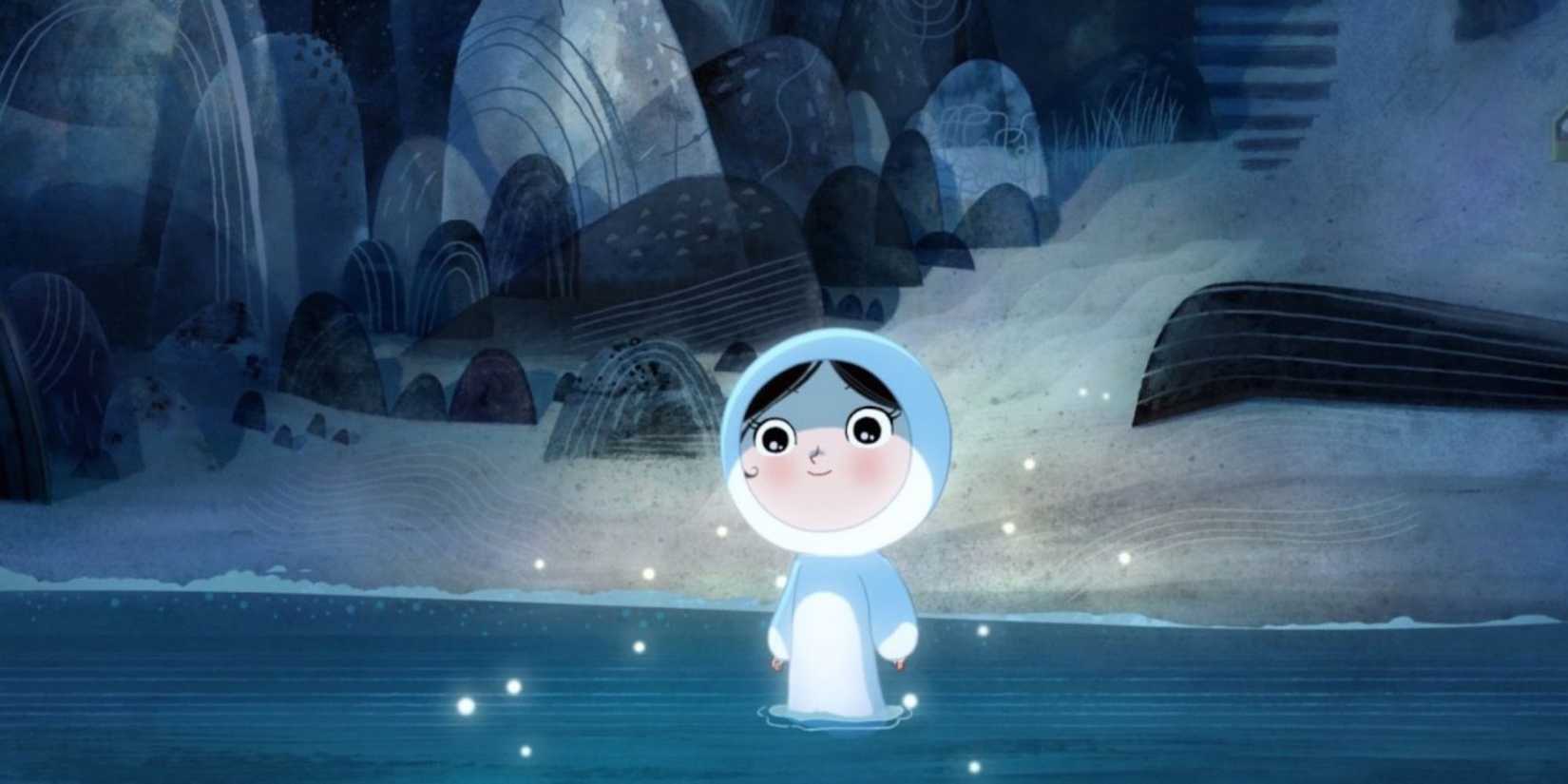 Image via GKIDS
Ben (David Rawle) is a young boy living with his father, lighthouse keeper Connor (Brendan Gleeson), and younger mute sister Saoirse, whom Ben blames for the disappearance of their mother, Bronagh (Lisa Hannigan). They are eventually taken to mainland Ireland by their grandmother (Fionnula Flanagan), but sneak out to try and get back home. Along the way, they learn that Saoirse is selkie and is destined to open a door to Tír na nÓg and allow the fairy folk the chance to go home.
Song of the Sea is the second and best of the trio of Irish mythology films from Cartoon Saloon. First off, it looks amazing, with bright colors and stylistic designs that suit its fairy tale themes and makes the fair folk feel quite alien and visually distinct. Story wise, the film is a timeless coming of age story that tackles the importance of grief and loss, as well as the dangers of trying to close yourself off from emotions.
5
‘The 7th Voyage of Sinbad’ (1958)
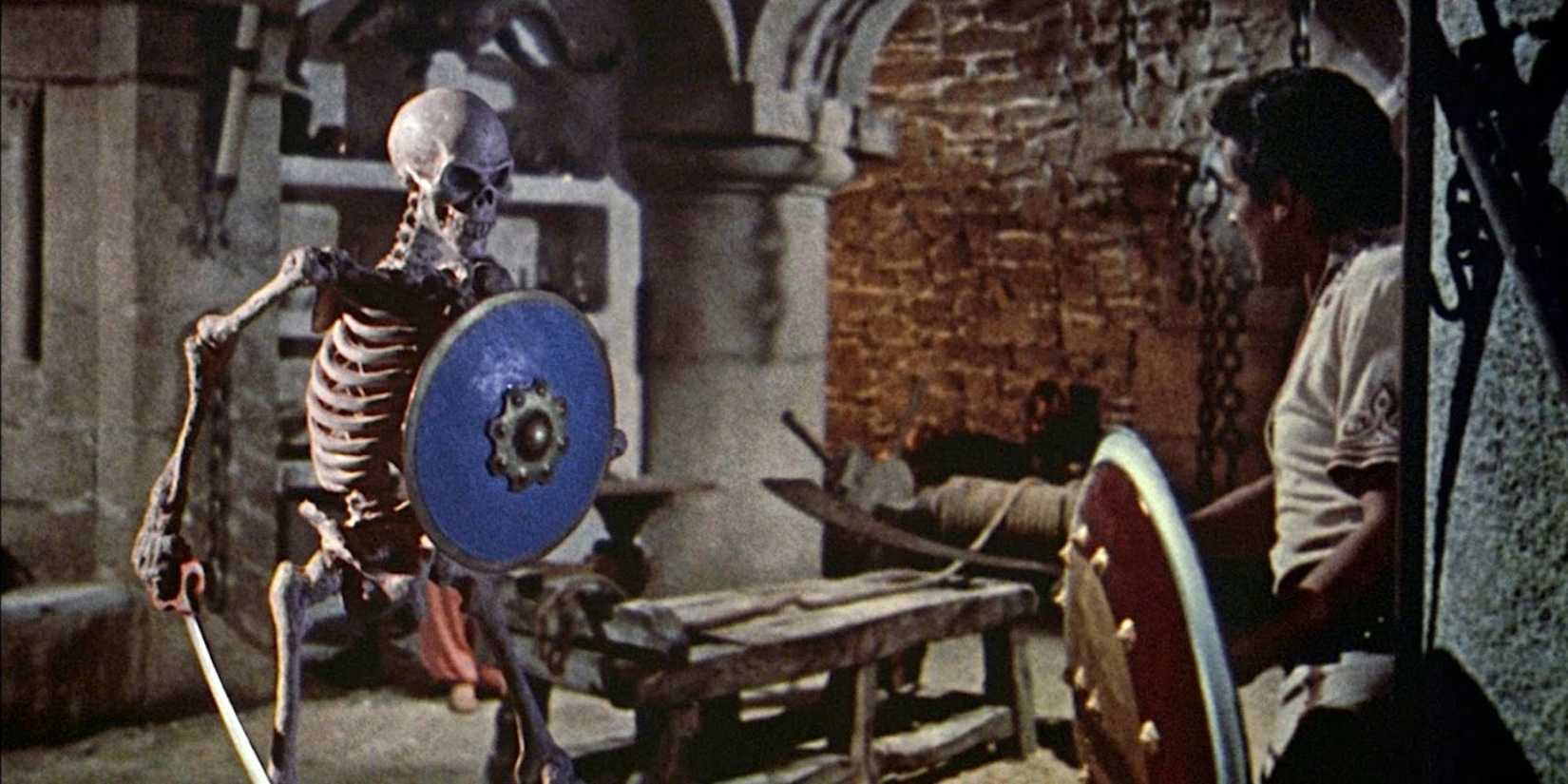
Image via Columbia Pictures
En route to Baghdad to marry Princess Parisa of Chandra (Kathryn Grant), Sinbad the Sailor (Kerwin Mathews) stops at the isle of Colossa and rescues a magician named Sokurah (Torin Thatcher) from a cyclops. Sinbad refuses to go back for Sokurah’s magic lamp, which was dropped during his escape, so at Baghdad, Sokurah casts a spell that shrinks Parisa to the size of a mouse. This threatens war between Baghdad and Chandra, but Sokurah reveals that he can brew an antidote if given the shell of a Roc’s egg, which can be found on Colosssa.
The 7th Voyage of Sinbad is the first of three Sinbad films using stop-motion creatures from the great Ray Harryhausen, and raised the bar for all fantasy films that would follow it. Harryhausen’s creatures are the real stars of the show, brought to life through his unique dynamation technique that makes them look and feel like creatures out of mythology, yet real enough for the characters to interact with. The human characters aren’t too bad either, thanks in large part to the charisma of the actors.
4
‘The NeverEnding Story’ (1984)
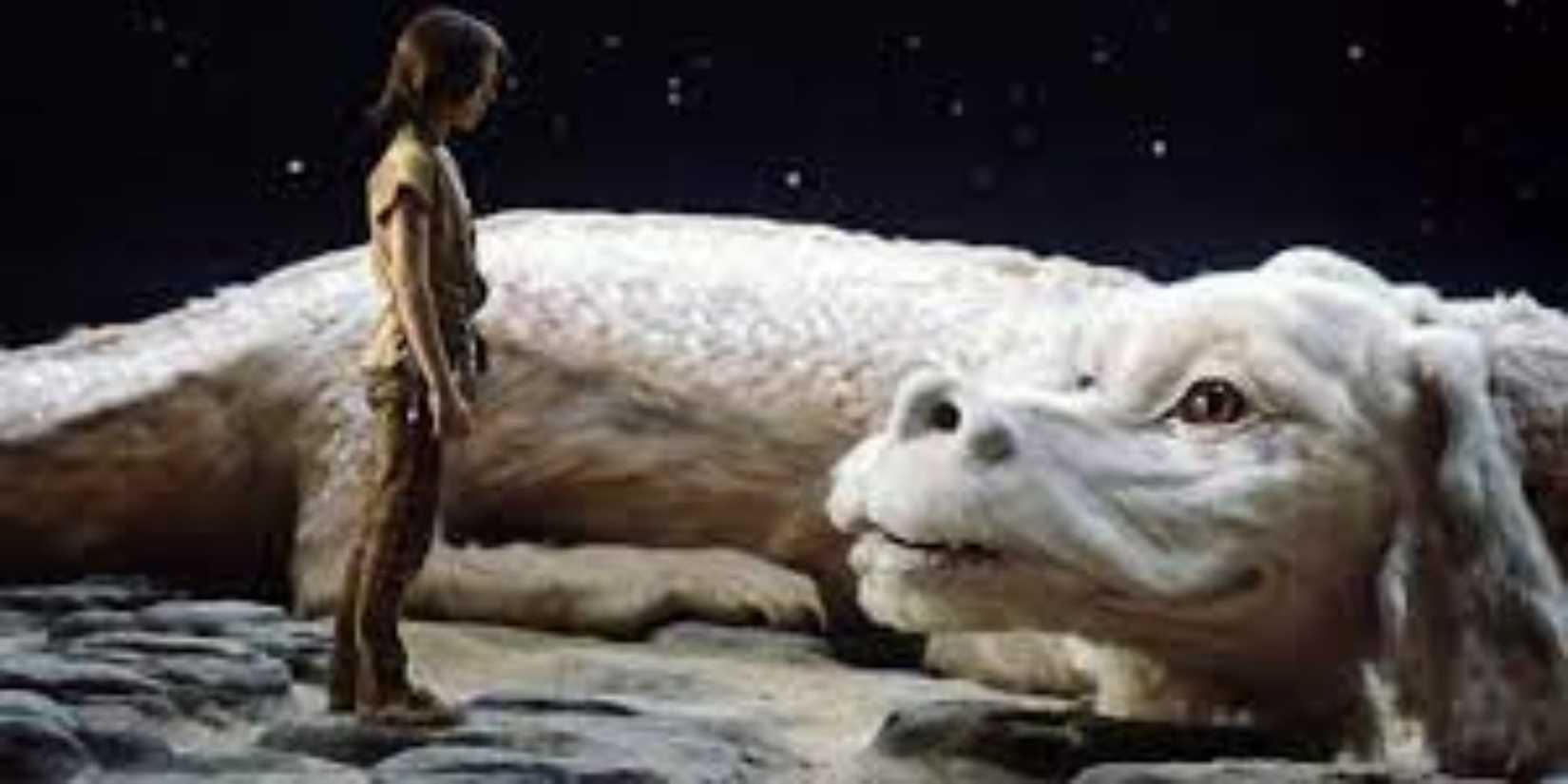
After hiding from bullies in a bookstore run by Carl Conrad Coriander (Thomas Hill), Bastian Balthazar Bux (Barret Oliver) takes a book called “The Neverending Story” with him to school. It tells the story of Atreyu (Noah Hathaway), a warrior who is chosen to save the world of Fantasia from an abstract force called The Nothing, which is slowly destroying it. Yet the more Bastian reads, the more it seems like the characters in the story are aware of him.
The NeverEnding Story only adapts the first half of the novel of the same name by Michael Ende, yet it still manages to be one of the best fantasy films of the 1980s. It uses fantastic effects and animatronics to bring Fantasia and its denizens to life, making the world feel like one brimming with magic and mystery. As for the story, it’s surprisingly mature, with The Nothing acting as an allegory for depression, and plenty of scary imagery and intense moments that have emotionally scarred children for decades.
3
‘The Princess Bride’ (1987)
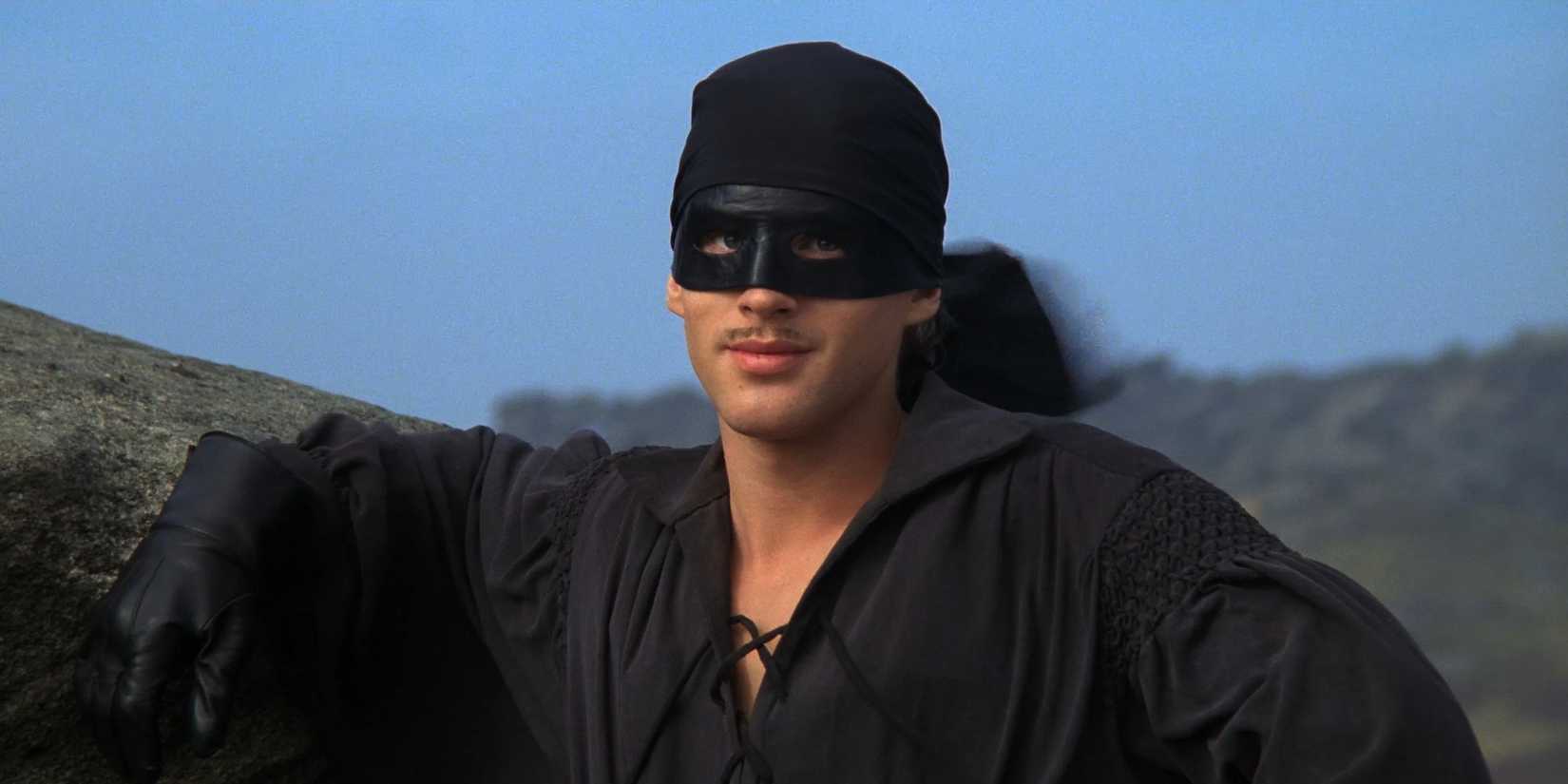
Image via 20th Century Studios
A grandfather (Peter Falk) visits his sick grandson (Fred Savage) and reads him a fairytale about Buttercup (Robin Wright), a beautiful peasant girl in love with a farmhand named Westley (Cary Elwes). Some time after Westley vanishes while trying to make his fortune, Buttercup is betrothed to Prince Humperdinck (Chris Sarandon), but she is kidnapped before her wedding day by a trio of bandits. They want to kill her to start a war with Humperdinck’s neighbors, but they are pursued by a mysterious man in black.
The Princess Bride went from a rocky beginning and disappointing box office to one of the most celebrated and quoted fantasy films ever made. It knows exactly what kind of movie it is and invites the audience to cut back and have fun with its witty dialogue, tense sword fights, and beautiful romance. Then there are the characters, each of whom possess a strong, engaging personality conveyed beautifully by the actors that make you eager to learn more about them.
2
‘La Belle et la Bête’ (1946)
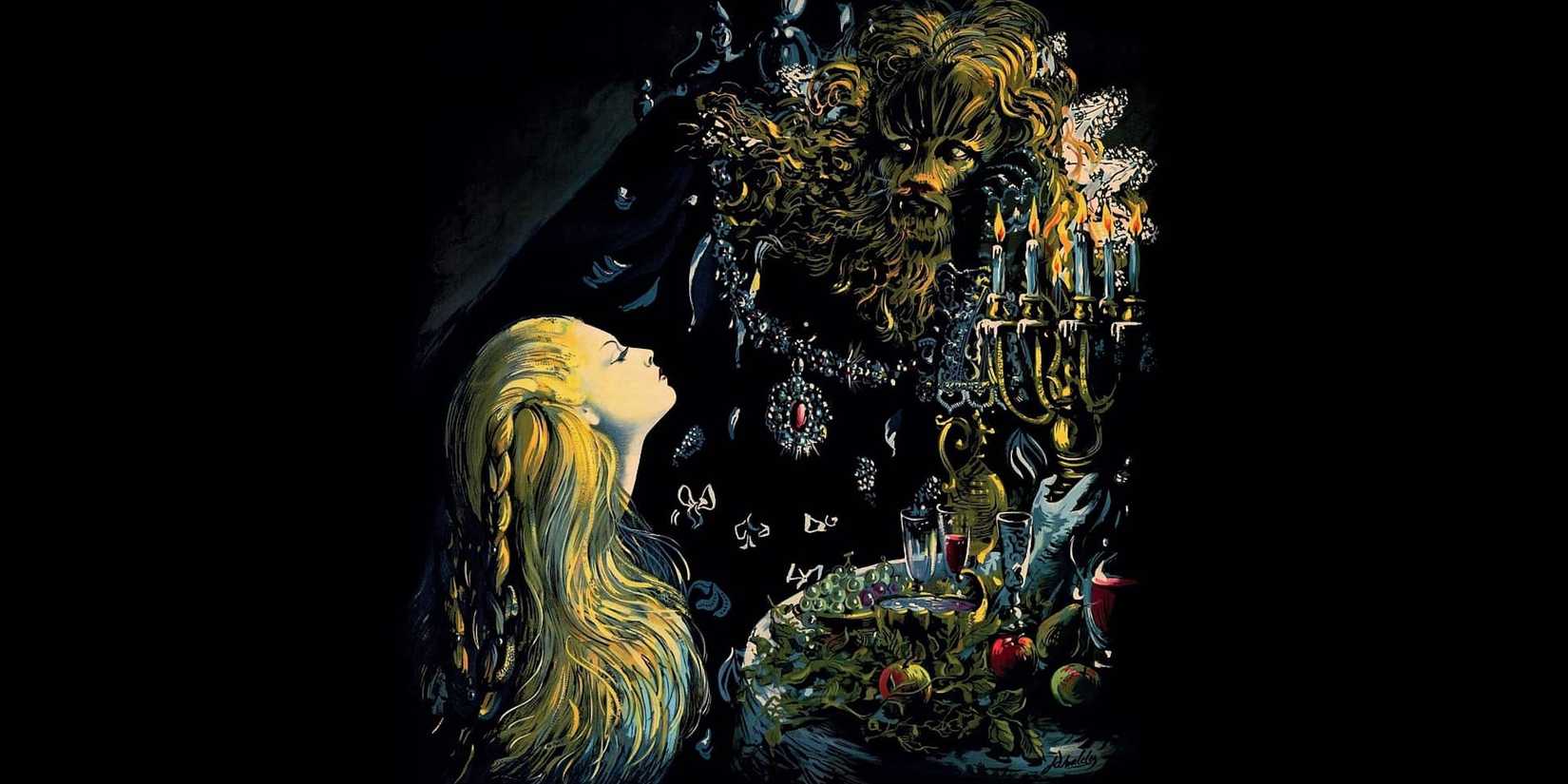
Image via DisCina
On his way home after failing to get his family out of poverty, a merchant (Marcel André) stumbles upon an enchanted castle where he is given food and shelter. On his way out, however, he tries to pluck a rose for his youngest daughter, Belle (Josette Day), which angers the master of the castle, a Beast (Jean Marais), who threatens to kill the merchant for theft. In the end, he agrees to spare the merchant’s life if one of his daughters will come live at the castle, to which Belle agrees.
La Belle et la Bête is one of the most magical fantasy films ever made. It flows from scene to scene with an almost dream-like quality, made even more surreal through visual storytelling choices, such as the Beast’s hands smoking to indicate that he had come back from a hunt. Speaking of the Beast, he looks amazing, with a leonine design that makes him look regal yet fierce, and looks far better than any CGI could replicate today.

1
‘The Seventh Seal’ (1957)
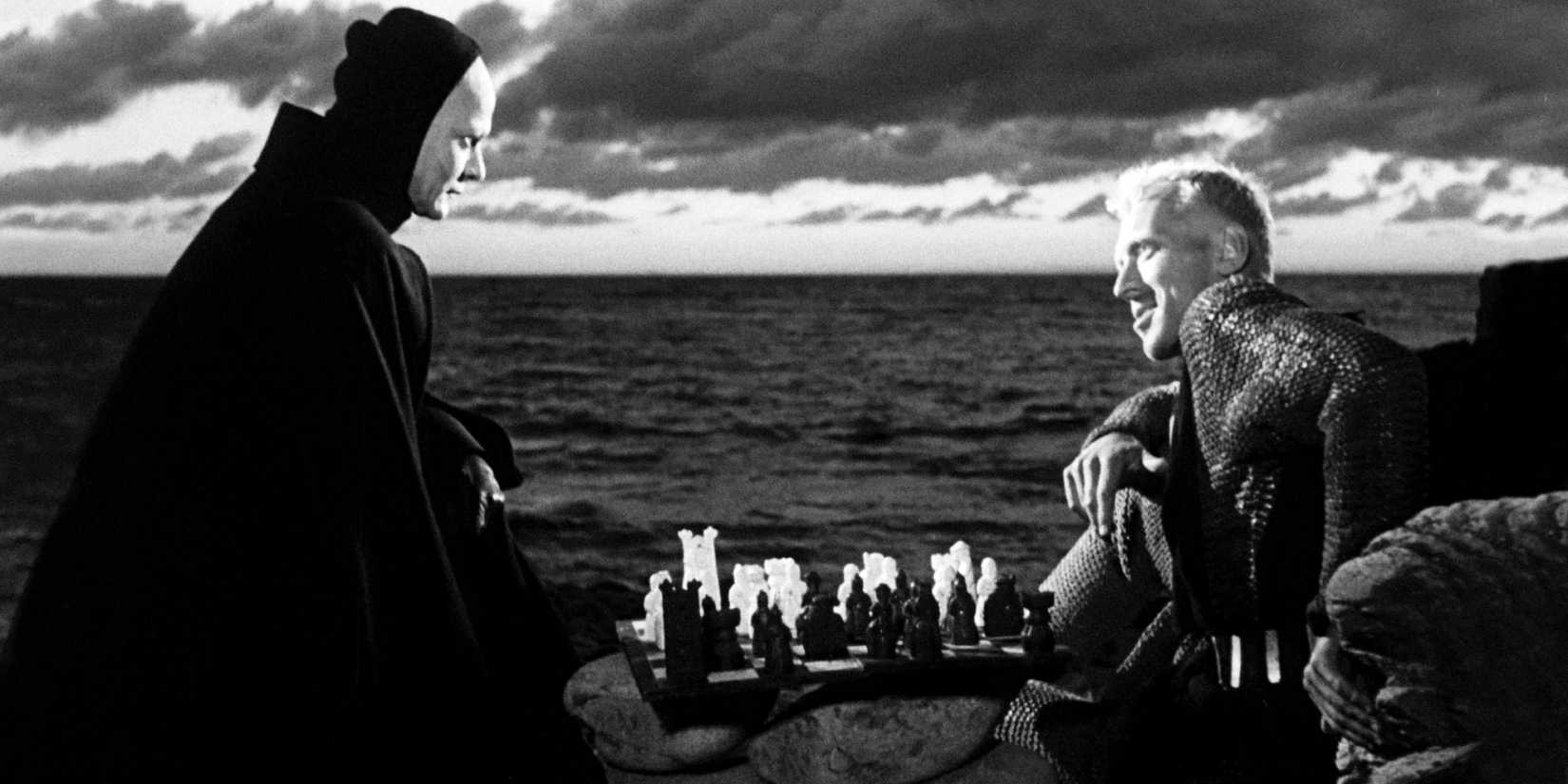
Image viaAB Svensk Filmindustri
Upon returning from the crusade, the knight Antonius Block (Max von Sydow) and his squire Jöns (Gunnar Björnstrand) discover that the country is beset by the black plague. Block is even visited by Death itself (Bengt Ekerot), but he challenges Death to a game of chess, with a guarantee that he will stay alive while the game is in progress. In between breaks, Block and Jöns interact wiht others, and the knight hopes to find answers to the universe and complete one good deed.
The Seventh Seal is a film all about death, from people’s individual relationship with the inevitable end and how they choose to spend their final days. Some choose to spread misery and cynicism, but others stress the importance of enjoying life’s little pleasures, and both the pessimism and optimism around him leads Block to ask profound questions about life and one’s purpose. As for Death himself, Ekerot’s depiction is perhaps the most iconic version of Death in cinema, with a simple but captivating design, and a personality that shows how he will never deviate from his purpose, but that doesn’t mean he is cruel.
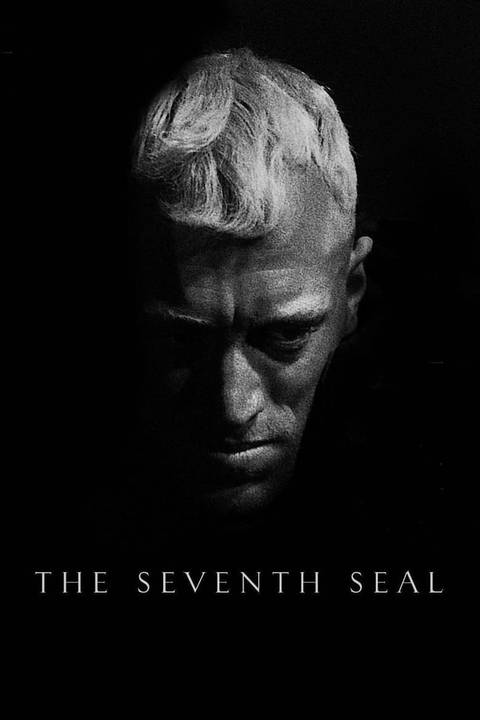
The Seventh Seal
- Release Date
-
February 16, 1957
- Runtime
-
96 minutes
- Director
-
Ingmar Bergman
- Writers
-
Ingmar Bergman
-

-

Max von Sydow
Antonius Block