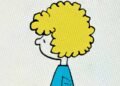













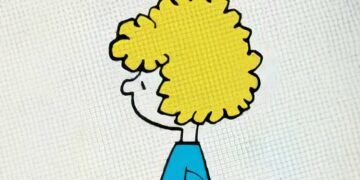














If there is one thing Peanuts has never been short on, it is memorable characters. Charlie Brown has his eternal bad luck, Lucy has her psychiatric booth, Snoopy has somehow become more famous than most real people, and then there is Tapioca Pudding, a character so strange that she barely needed more than a few months in the comic strip to make her point.
Tapioca first appeared on September 4, 1986, when she walked into Charlie Brown and Linus’ classroom and introduced herself with the utmost confidence. Her father worked in licensing, she explained, and he believed her name, blonde hair, and smile could make them a fortune. Before long, she imagined her face on T-shirts, greeting cards, lunchboxes, and just about anything else that could carry a picture.
Tapioca Pudding Was Basically an Influencer Before Influencers Existed

Tapioca has no acting career, musical talent, or athletic accomplishment to point toward. She isn’t even particularly interesting to the people around her; she simply believes her name and appearance are enough to turn her into a commercial property. The official Peanuts description makes the premise clear, as her father sees her as the center of a marketing empire, while Tapioca cheerfully explains that her picture will eventually be everywhere.
Modern influencer culture has made turning yourself into a brand completely ordinary. A person can build an audience around their personality, appearance, lifestyle, or simply their ability to keep people’s attention. Once the audience exists, the merchandise follows. Still, Tapioca is trying to become a product before she has become a person anyone particularly wants to follow.
Tapioca’s gag wasn’t just that she was vain, as Schulz was taking aim at the machinery behind children’s entertainment, particularly the practice of turning a character into a licensing opportunity before that character had actually earned an audience. Tapioca arrived in the mid-1980s, when children’s entertainment was increasingly tied to merchandise. Strawberry Shortcake is the clearest comparison, as the character began as a greeting-card creation before expanding into toys, books, television, and a much larger licensing operation.
Schulz’s Tapioca, with her dessert-inspired name and fixation on merchandise, was a pointed parody of that phenomenon. Contemporary annotations of The Complete Peanuts specifically identify her as a satire of runaway licensing and connect her name to Strawberry Shortcake. The joke also has a wonderfully specific detail: Tapioca’s name sounds boardroom-designed, her appearance is distinctive, and her entire personality centers on talking about the products she expects to sell. She is, essentially, a walking pitch meeting.
Snoopy Becomes Tapioca’s Agent

Eventually, the gag gets even more ridiculous as Snoopy becomes Tapioca’s agent. It’s the perfect escalation for a character whose entire existence revolves around becoming famous. Snoopy, already the most recognizable member of the Peanuts cast, is suddenly trying to manufacture a career for a girl nobody has heard of.
Naturally, it goes badly. Tapioca fires him after he books her for an appearance at the 1984 Los Angeles Olympics two years after the Olympics had already happened. Tapioca is supposedly obsessed with the entertainment business but has absolutely no idea how it works. Her ambition is enormous; her actual career prospects are nonexistent.
That distinction is important. Schulz was not arguing that ambition itself was ridiculous. He was poking fun at the idea that fame could be manufactured backwards: create the merchandise, create the marketing campaign, and assume the audience will eventually appear.
The Weirdest Part Is How Modern Tapioca Feels

Something feels almost uncanny about revisiting Tapioca now. In 1986, a child confidently predicting that her face would appear on lunchboxes and T-shirts was funny because it was wildly presumptuous. In 2026, it sounds like a perfectly reasonable influencer business plan. Of course, Schulz didn’t somehow predict Instagram or TikTok’s influence over users. He was responding to a very specific 1980s culture of licensed characters and merchandise.
Tapioca wants a recognizable image she can reproduce and sell. Her face is the asset, her name is the asset, and even her identity has been packaged before she has done anything to justify the packaging. The rest of Peanuts is filled with children trying to figure out who they are, while Tapioca has already decided that she is a brand.

Schulz also delivers the delicious irony of being the one to make the joke. Peanuts itself became one of the most heavily merchandised comic strips in history. But Schulz’s own comments about licensing make clear that he put the creative work first. In an interview with The Comics Journal, he described licensing opportunities as things that generally came to him from outside companies rather than something he actively pursued while creating the strip. The Peanuts characters became products because readers cared about them first, and Tapioca wants to become a product so people will care about her.