







































Sometimes, finding the time and frame of mind to watch an epic movie a single time can be tough. There’s something about tackling a movie that goes for three or four hours, versus one that goes for about two or so hours, that can feel intimidating. That’s not always the case for binge-watching a TV show or miniseries, so the psychology behind that is kind of interesting, but also not entirely relevant. Too much of a tangent.
Epic movies. These ones are long, and the ones below especially so, since even the shortest ones here hover around the three-hour mark. They’re all great, though, and also stand out for being worthy of revisiting. It says a lot about the quality of an epic if that epic movie is genuinely rewatchable (so, worth devoting six or more hours to, rather than three, and then obviously even more if you see it more than twice), and so those particularly easy-to-revisit ones are being celebrated/highlighted here.
10
‘War and Peace’ (1965–1967)

Image viaMosfilm
War and Peace is the first example here that is admittedly kind of more than one movie, but you do have to watch all four parts of this epic to fully appreciate what it’s going for, and just how impressive a film adaptation it is. Also, the source material, by Leo Tolstoy, is about the size of three or four regular books (maybe even a little more), so a movie adaptation being seven hours, rather than the more standard two-ish, makes sense.
The four parts were released between 1965 and 1967, with some of them being epics when judged on their own, in all honesty. Overwhelming spectacle is the best reason to revisit War and Peace. There’s so much spread out over such a huge runtime that multiple watches are pretty much needed, so long as you’ve sufficiently recovered from the bombast and grandeur you got through the first time around. It’s an exhausting epic, truth be told, but exhausting in a (very) good way.
9
‘Lagaan: Once Upon a Time in India’ (2001)
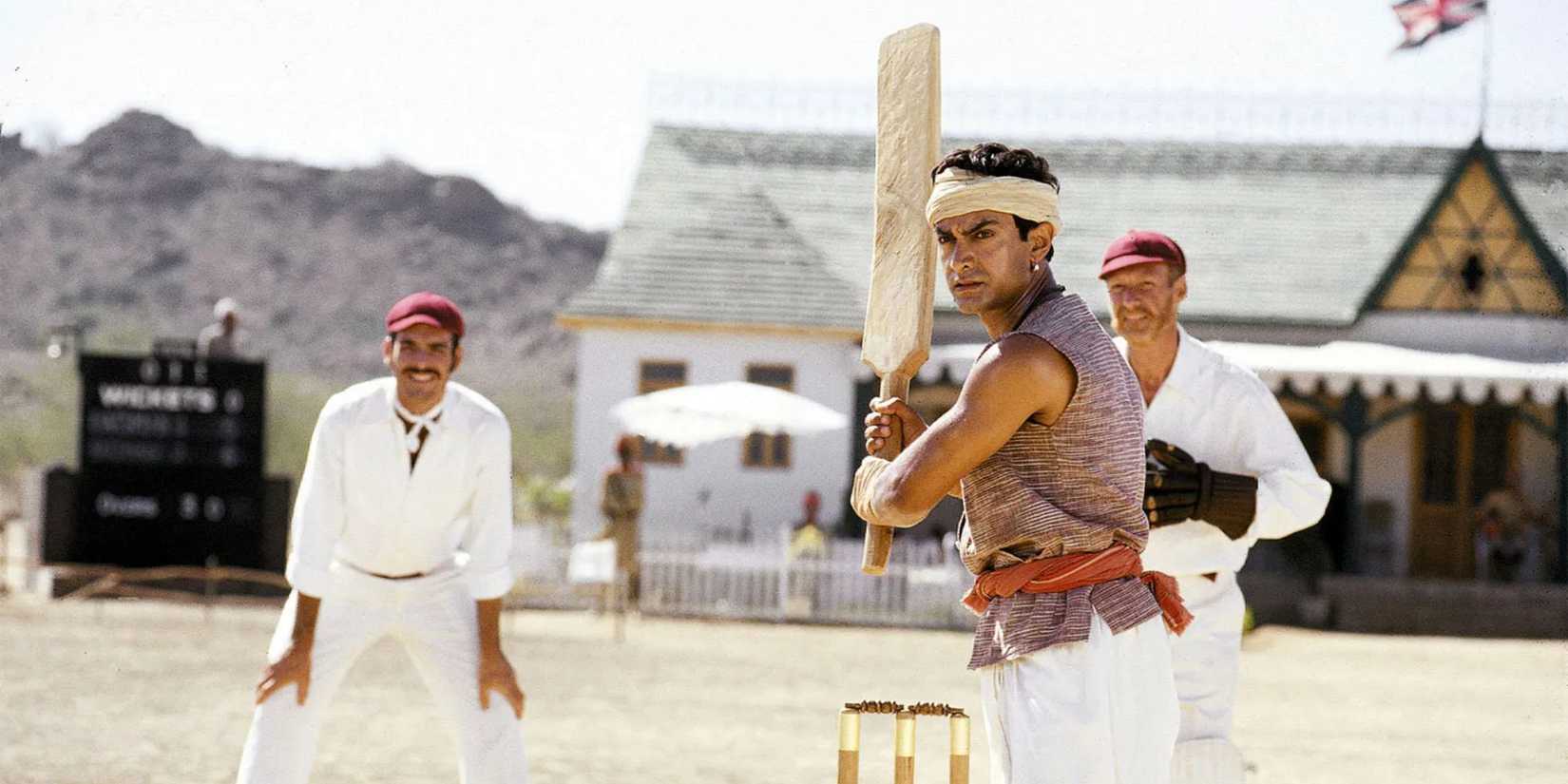
Image viaSony Pictures Classics
A nearly four-hour-long musical that’s largely about cricket really is one of the best epic movies ever made, for as wild as such a statement might sound. It’s just true. That movie is Lagaan: Once Upon a Time in India, and it takes place in the titular country toward the end of the 1800s. The heroes are some over-taxed villagers who enter into a game of cricket with those taxing them (the English), which involves them being exempt from the tax if they win, but taxed more harshly if they lose.
Those are the stakes, and there is a lot of training and learning the game itself, all building up to the inevitable final match. And some musical numbers along the way, because why not? Lagaan: Once Upon a Time in India makes cricket exciting and really is one of the best underdog sports movies ever made, not to mention being one of the fastest-paced movies of its length, and an essential watch, even if you don’t really like cricket, or musicals, or movies that are nearly four hours long. It really is more than worth your time.

8
‘Lawrence of Arabia’ (1962)
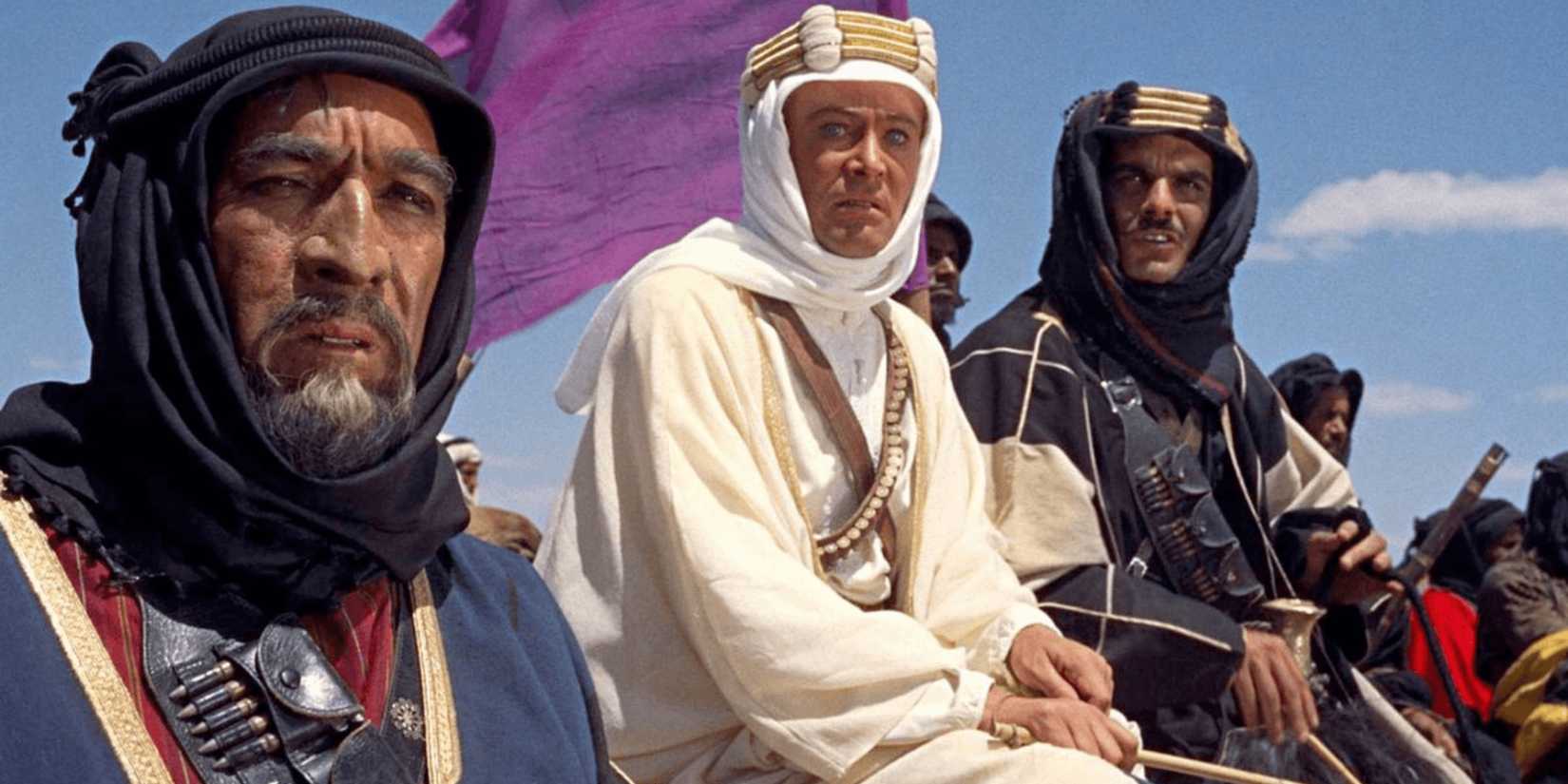 Image viaColumbia Pictures
There’s a risk that comes with calling the majority of movies out there masterpieces, but also films like Lawrence of Arabia where you can throw that word around in their vicinity and not cause the raising of any eyebrows. Everything here works, and it’s undoubtedly one of the hardest to fault epic movies of all time, doing just about everything ideally while running for close to four hours, all up.
It probably helps that there is so much story to tell, when it comes to T.E. Lawrence and his experiences throughout the titular peninsula during the First World War. Lawrence of Arabia works as a historical war epic, in that regard, and then it’s also a remarkable character study, at the same time. There’s really no need to be intimidated by either the runtime or the film’s age, since it just holds up so well more than six decades on from its release.
7
‘Once Upon a Time in America’ (1984)
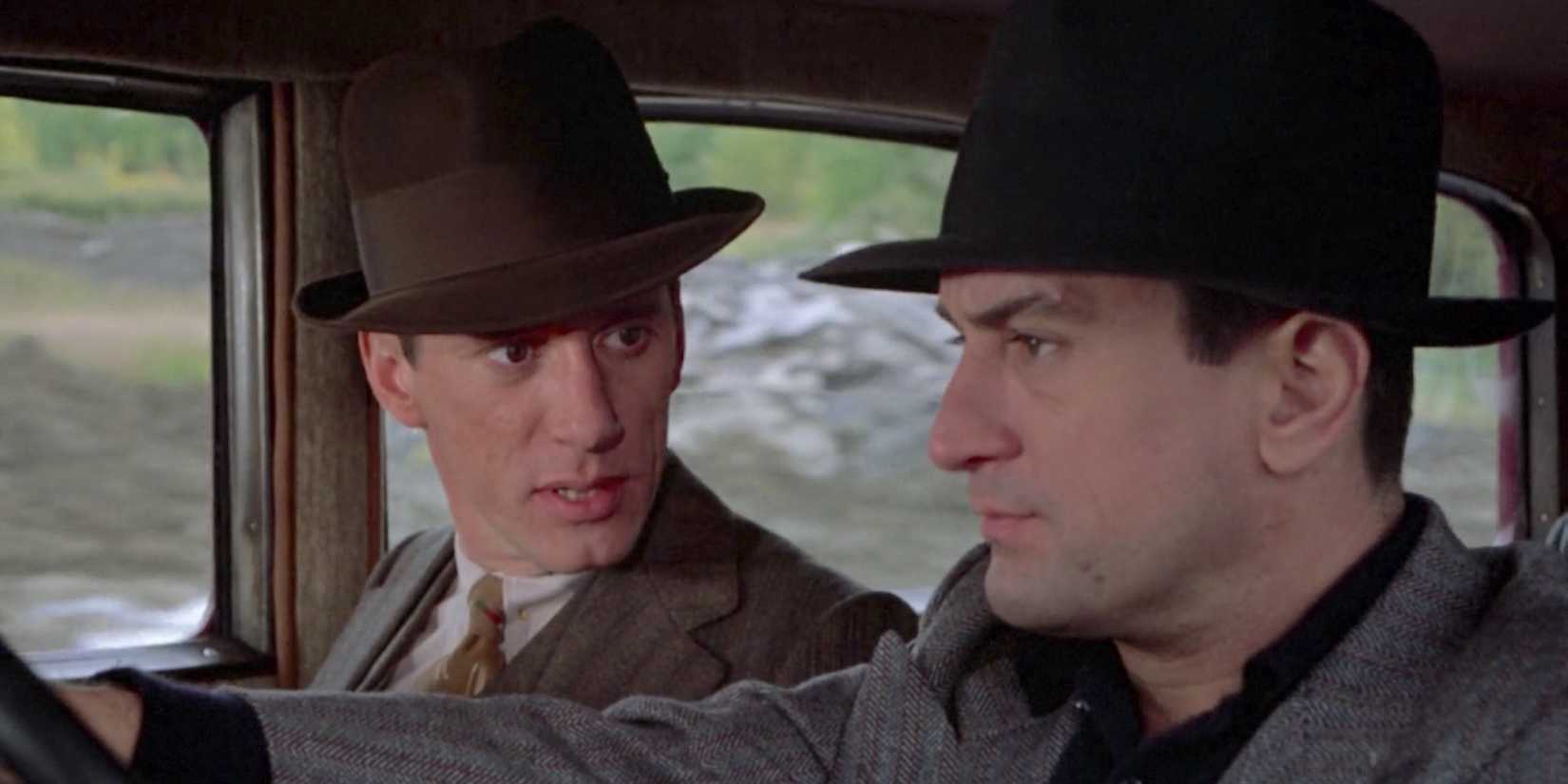 Image via Warner Bros.
The one thing that might make Once Upon a Time in America a little hard to revisit is how heavy it gets, at certain points. This is easily one of the most despairing and downbeat crime/gangster movies ever made, since it really doesn’t mess around with exploring how terrible its characters are, and then it also unpacks the consequences of such actions: dying a villain, or living long enough to see yourself become a regretful old man.
There is a lot here that’s more rewarding (and understandable) if you’re returning to the movie, knowing what you’re in for.
No heroes here, dead or otherwise. Once Upon a Time in America scores points when it comes to rewatch value, though, because there is a lot here that’s more rewarding (and understandable) if you’re returning to the movie, knowing what you’re in for. Also, there is a real beauty here in terms of how the film looks and sounds, with it being undeniably interesting how such beauty clashes with the darkness of the story and the (moral) ugliness of many of the characters.
6
‘Sholay’ (1975)
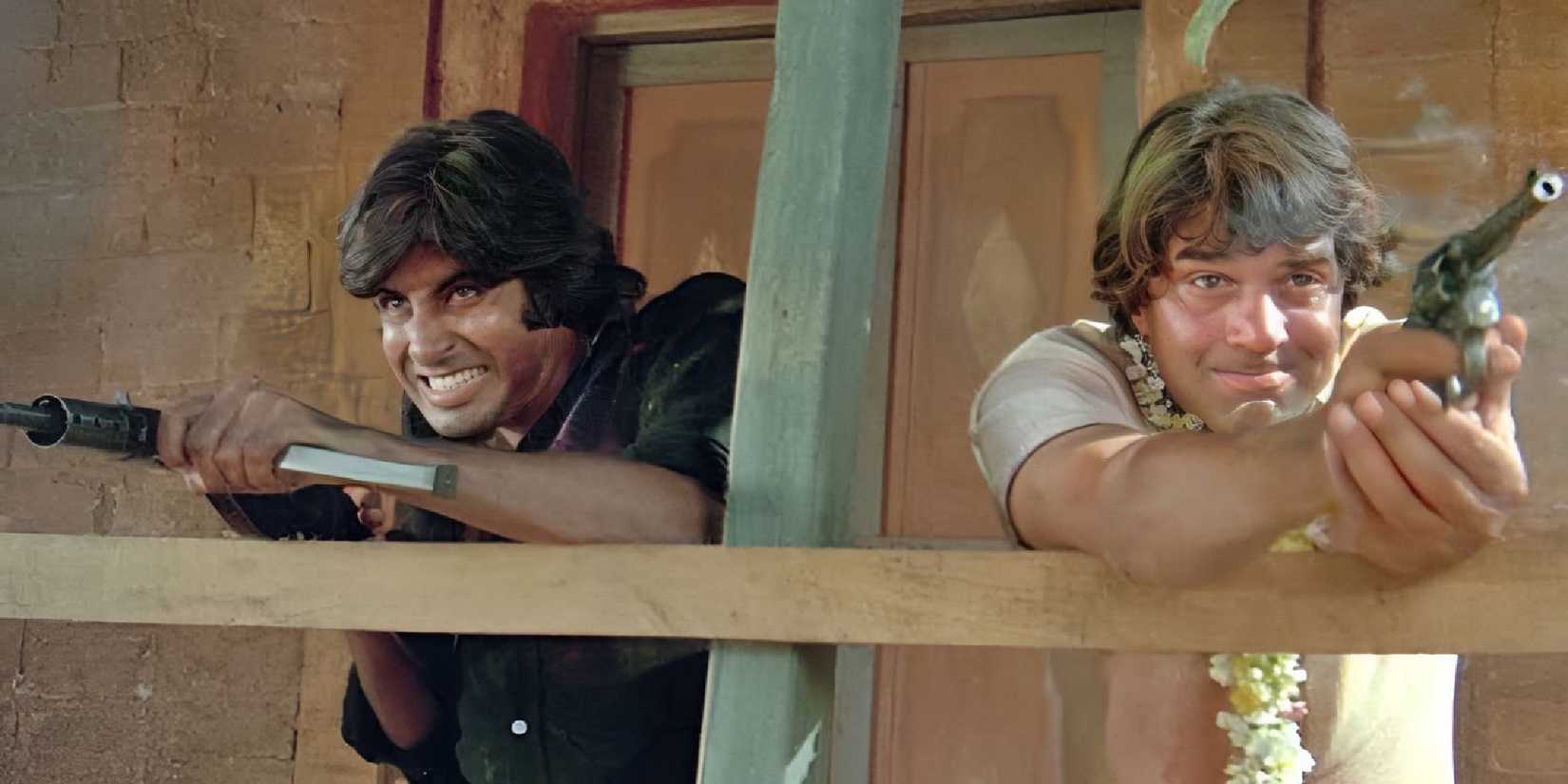 Image viaSippy Films
Sholay has the time to slow down and chill out for a bit, if it wanted to, since it’s working with a nearly 3.5-hour-long runtime, but it instead chooses to be non-stop and pretty much as over-the-top as it can be. The result is glorious, and if not for a certain other epic from the 20th century about samurai (seven of them, to be exact), Sholay might well be the best action epic of that whole century.
As it stands, being the second-best is still pretty great, and it certainly succeeds in being broadly entertaining and likable for a very long time. It’s an epic, an action/adventure movie, a buddy comedy, a Western (of sorts), and a musical – plus some other things, probably – all at once, seemingly trying to do everything while pleasing everyone, and honestly succeeding unusually well on that (very ambitious) front.
5
‘Titanic’ (1997)
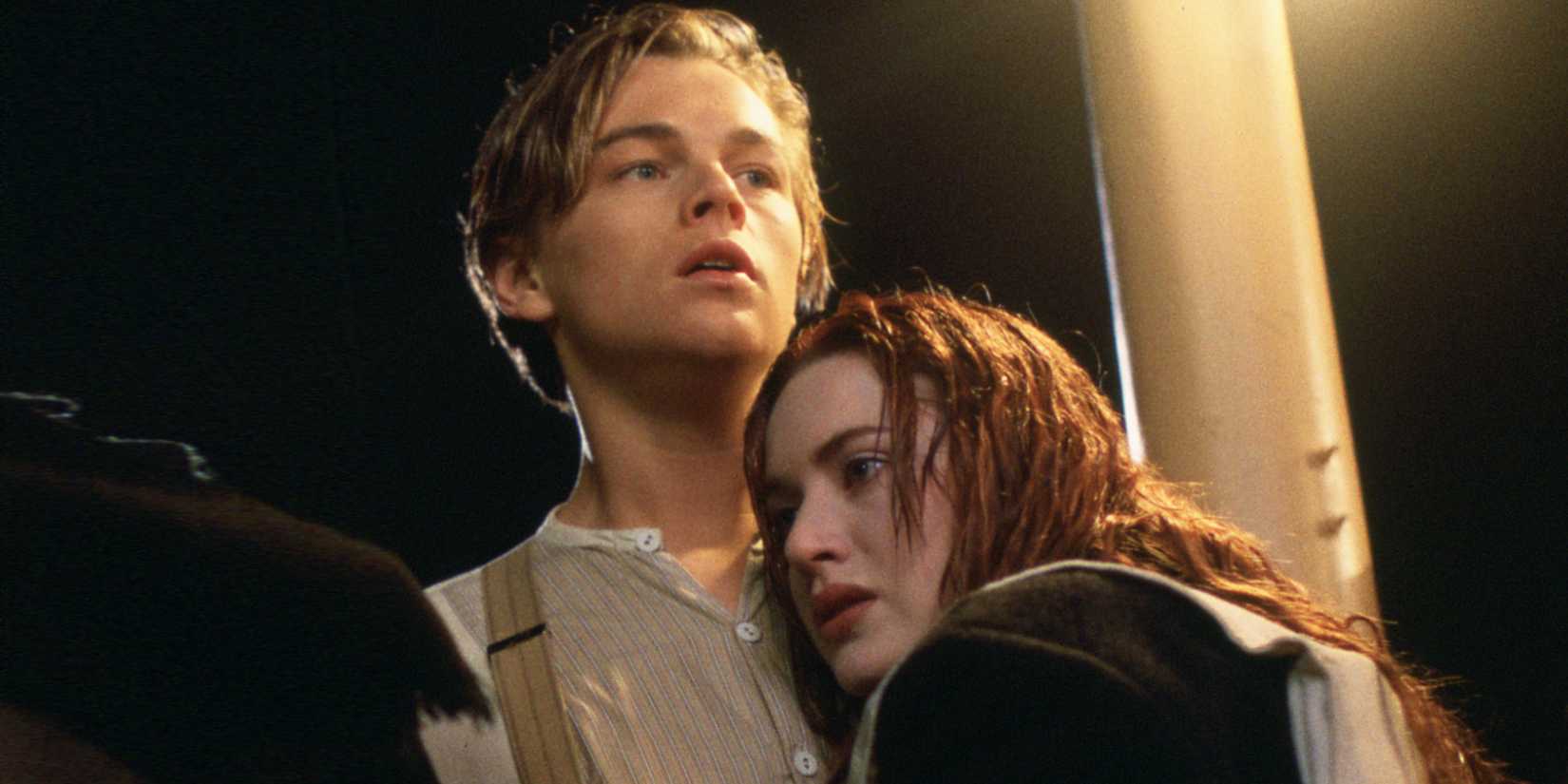
Image viaParamount Pictures
There’s always the option to try and resist Titanic, if you want. It was a bit easier to do some years ago, maybe around the time people were generally being a little more sarcastic and a lack of irony felt less cool than ever, but there’s been something of a turnaround, and sincerity is maybe cool again. Or not. Or maybe it’s something else, like Titanic being pretty much old enough to be considered a classic in the traditional sense (it’s almost as old right now as Doctor Zhivago was in 1997, so… time flies and stuff).
It’s perhaps the biggest disaster movie ever made, and also an enduring romantic epic at the same time, with those two genres both being balanced perfectly, somehow. Titanic is masterful on a technical front, and even if it goes for broad emotions throughout, the impact here (especially toward the end) has become harder to resist as time has marched on, and Titanic has revealed itself to be a film that’s genuinely aging surprisingly well.
4
‘Seven Samurai’ (1954)
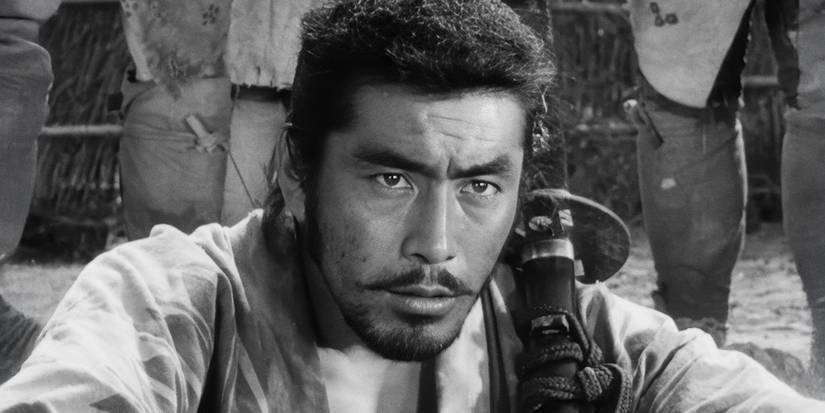 Image via Toho
Seven Samurai is Seven Samurai, and it’s about seven samurai. It’s about as good as action movies get, and it’s also about as groundbreaking as action movies have ever been, pretty much showcasing how you can get such a movie to work across a runtime of more than three hours. In terms of how it’s structured, it’s especially flawless, though you can, of course, break down all the other parts of the film and find issues in very, very short supply.
Further, Seven Samurai being so easy to watch (and rewatch), even with its age, is beyond impressive. You might’ve seen a movie that borrowed from Seven Samurai quite openly, and maybe that movie was a little flashier and faster-paced, but it’s still very likely that this epic will provide a more satisfying viewing experience, since Akira Kurosawa was just doing some next-level and basically timeless stuff here, as a filmmaker.
3
‘The Good, the Bad and the Ugly’ (1966)
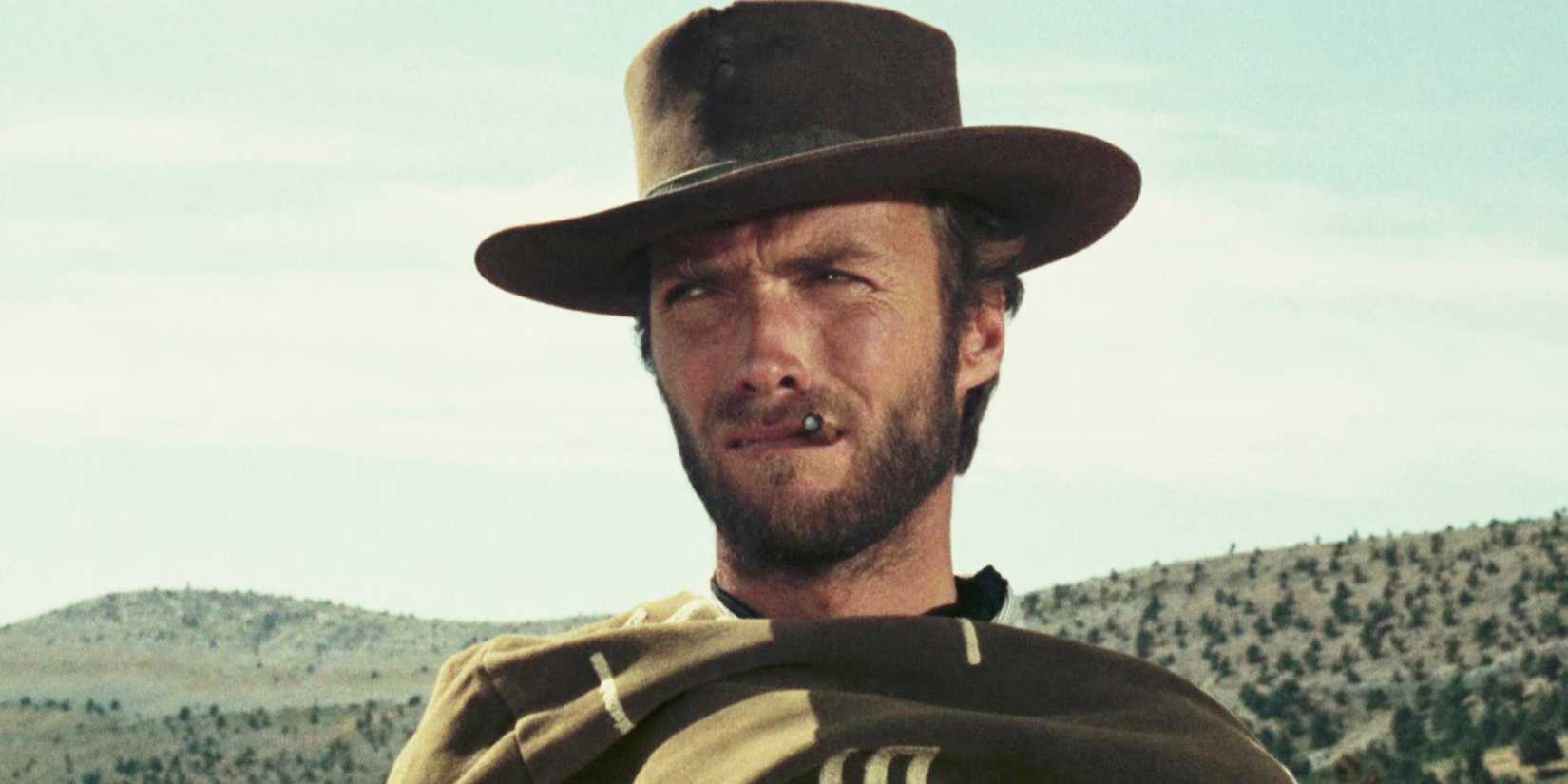
Image viaProduzioni Europee Associati
Once Upon a Time in America was mentioned before, and was Sergio Leone’s last film, but he made some other notable epics before that gangster film, with perhaps the most traditionally entertaining of them being The Good, the Bad and the Ugly. Whether it’s better than Once Upon a Time in the West is up for debate, but if you’re looking for something endlessly entertaining that’s always easy to revisit, The Good, the Bad and the Ugly ultimately stands tallest.
It’s one of the broadest and most engaging Westerns ever made, being about three men deceiving each other as they all pursue the same goal: a fortune of gold buried somewhere in the desert. The Good, the Bad and the Ugly moves at a great pace and has what’s easily one of the greatest endings in cinema history, and delivers enough full-on spectacle to adequately fill an entire filmography (but Leone managed to, miraculously, cram it all into one remarkable film).
2
‘Kill Bill’ (2003–2004)
Another movie released in more than one part, Kill Bill: The Whole Bloody Affair is kind of the single film being considered here, though Vol. 1 and Vol. 2 were released in 2003 and 2004, respectively, so it’s a bit complicated, the whole categorizing thing. There were screenings of The Whole Bloody Affair before 2025, but not too many, though at least you do still get the whole story if you watch Vol. 1 immediately followed by Vol. 2.
On the surface, it’s a big old revenge story, and also an excuse for Quentin Tarantino to pay homage to martial arts and samurai movies (especially in Vol. 1) and then Spaghetti Westerns, too (particularly in Vol. 2). But he does it well, with the style and maximalism of the first half being a blast, and the focus on dialogue (plus some more character development) in the second half being riveting in a different way. What you’ve got, at the end of it all, is a huge, approximately four-hour-long revenge epic that never really gets old, no matter how often you return to it.
1
‘The Lord of the Rings’ (2001–2003)
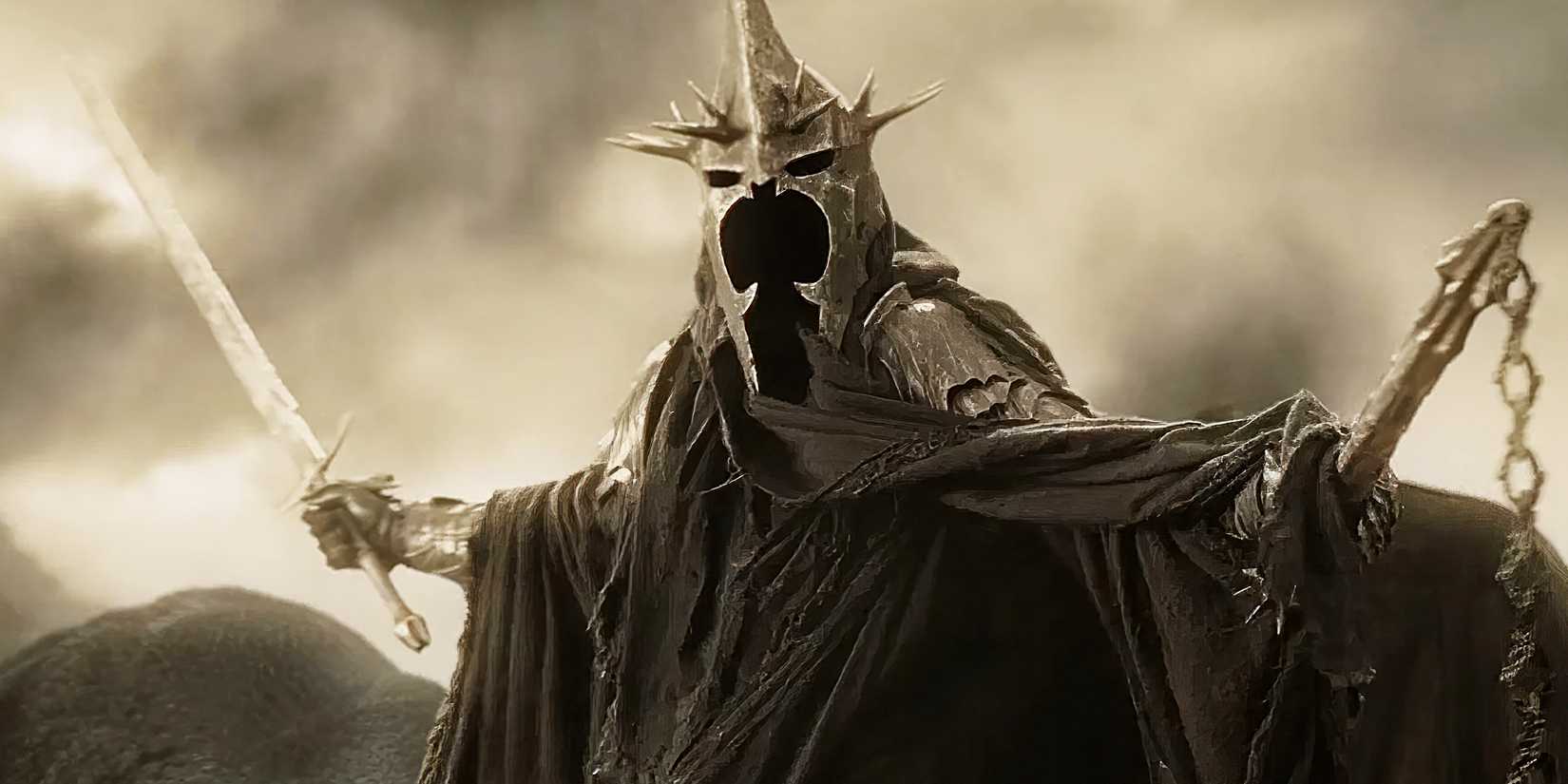 Image via New Line Cinema
And then one more big multipart movie, it’s The Lord of the Rings, because of course it is. Whether it’s genuinely the most entertaining and rewatchable trilogy of all time… like, maybe? That could be debated. But it feels harder to imagine any movies on the same scale as this overall trilogy – and with a comparable runtime – being so easy to revisit, no matter how familiar you are with this story about destroying an evil ring.
Okay, it’s about more than that, just as Jaws is about more than just killing a shark, but that is the central objective, and what happens around all that is thoroughly engaging and also kind of mind-blowing, in terms of how much bigger The Lord of the Rings is willing to get from film to film. If there’s a way to make nine hours (or 11, if you watch the longer cuts) feel like it’s passing by quicker, then it hasn’t been discovered yet. The Lord of the Rings, and its impeccable pacing, might well be the closest thing we have, at the moment, to time travel.