































Catch the Full Episode:
 Overview
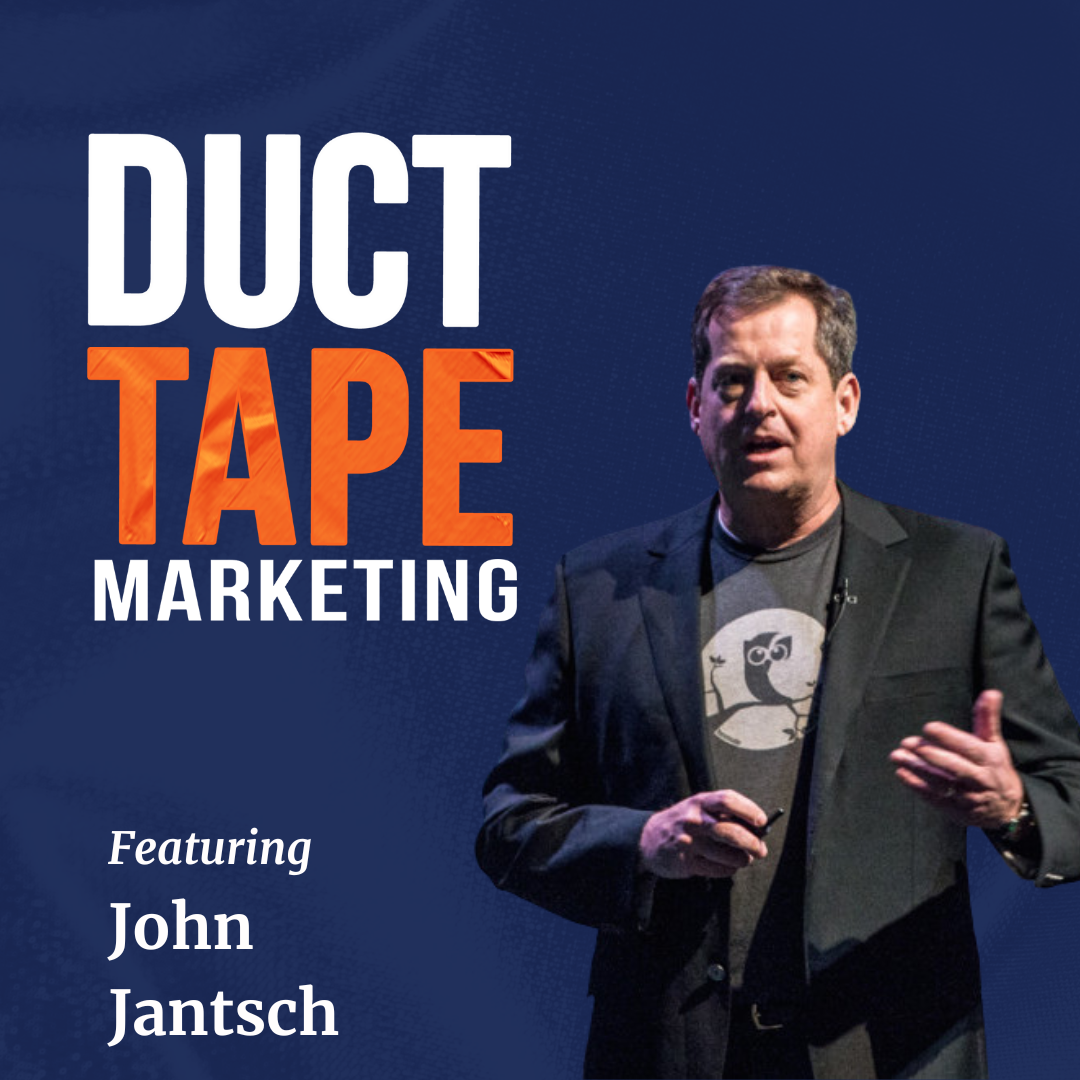
On this episode of the Duct Tape Marketing Podcast, I talk with Brad Kugler, founder of DirectMail2.0. A lot of small business owners wrote off direct mail years ago. Brad explains why a growing group of them is coming back to it, and how AI now lets them estimate a campaign’s response before they spend anything on printing and postage.
Brad spent twenty-six years in VHS and DVD distribution, until streaming wiped out the category. He rebuilt his career as a technology layer on top of direct mail. His company partners with printers, mail houses and agencies to add tracking, reporting and digital ads aimed at the same households that get the postcard. We talk about why the mailbox gets so much more attention than the inbox, and how variable data printing and QR codes make mail as measurable as any digital channel. We also cover how a database of tens of thousands of past campaigns can flag weak creative and bad timing before a campaign goes out.
I also hand Brad a real scenario: a Kansas City remodeling contractor with a $20,000 winter budget. He lays out how he’d build an omnichannel campaign for them and what the smallest useful test looks like. If you own or market a local business and have wondered whether direct mail still pays off, this one gives you a practical way to find out.
Guest bio
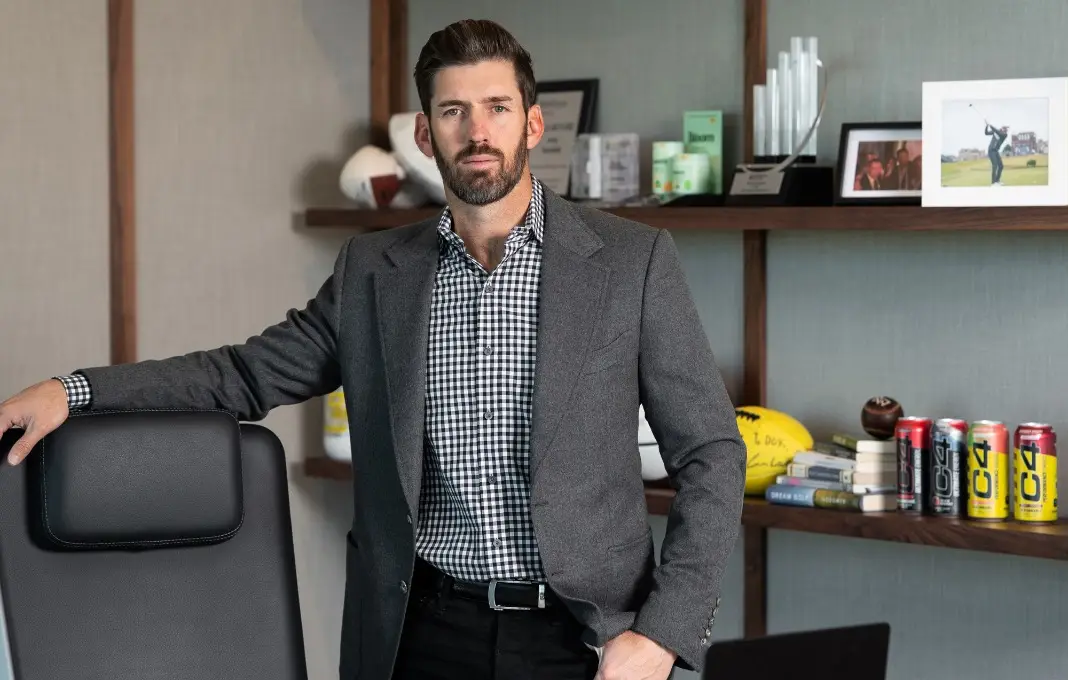
Brad Kugler is a Clearwater, Florida entrepreneur and the founder of DirectMail2.0, now rebranding as DM Intel (Direct Marketing and Intelligence). Before direct mail, Kugler spent twenty-six years running his family’s VHS and DVD media distribution business, from 1990 until streaming ended the category in 2016. He went on to build DirectMail2.0, a white-label platform that adds tracking, reporting and digital ad targeting to direct mail campaigns for printers and agencies. The company acquired the Who’s Mailing What archive. Kugler says the combined data covers more than 80,000 campaigns and 2.2 billion mail pieces, and it powers the company’s AI tools for predicting campaign performance.
Key takeaways
- The mailbox is quiet. Most people get three or four pieces of mail a day and hundreds of emails, so a postcard has far less competition for attention.
- Match the channel to the economics. Mail makes sense when a customer is worth four figures or more over time, like recurring landscaping or jewelry. It makes less sense for selling a few dozen pizzas.
- Variable data inkjet printing makes one-to-one personalization affordable, which traditional sheet and web presses couldn’t do.
- Personalized QR codes, text-back numbers and call tracking make a mail piece about as trackable as a digital ad.
- Geofenced digital ads aimed at the same households can add eight to sixteen extra impressions per mail piece. Kugler puts the cost at roughly 10 to 15 cents more per piece.
- Kugler reports a typical 25 to 50 percent lift over mail alone, for a 10 to 15 percent increase in cost.
- Printing and postage are costs you never get back. Testing creative and targeting against past campaign data before you mail is cheap insurance.
- Timing is part of the offer. A landscaper should mail in February, before homeowners have already hired someone in May.
- Reach fewer people more often. On a $20,000 budget, Kugler would reach 7,000 households three times rather than 20,000 once.
- The smallest test worth running is about 2,500 households with three touches. B2B mail works, but it takes more persistence and testing than B2C.
Great moments
- [00:11] – Why some small business owners are taking a second look at direct mail
- [01:13] – Kugler’s first public mention of the rebrand from DirectMail2.0 to DM Intel
- [02:02] – Going from VHS to streaming, and deciding to be the disruptor this time
- [03:37] – How a technology layer sits on top of print without printing anything
- [05:15] – Three pieces of mail versus 300 emails a day
- [05:44] – The pizza shop rule of thumb for when direct mail pays off
- [07:16] – Variable data printing, QR codes and call tracking
- [08:40] – A 25 to 50 percent lift for a 10 to 15 percent increase in cost
- [10:07] – Building a prediction model from more than 80,000 past campaigns
- [11:26] – Why a landscaper should mail in February instead of May
- [12:59] – Live scenario: a Kansas City remodeler with a $20,000 winter budget
- [15:43] – What’s in the omnichannel bundle: QR codes, an identity pixel, call recording and geofenced ads
- [18:14] – Reach 7,000 households three times before 20,000 once
- [19:07] – The smallest direct mail test worth running
- [19:48] – Why B2B direct mail is harder
Memorable quotes
“I needed to re-educate myself, and I needed to be a disruptor and not a disruptee.” – Brad Kugler
“You go somewhere where everybody else isn’t.” – Kugler
“You can track a piece of mail like you track a package now down to your doorstep.” – Kugler
“I would always go for a smaller number who you hit repetitively.” – Kugler
“At least it gives you a better mousetrap than just going with your gut.” – Kugler
Resources
DirectMail2.0 / DM Intel: dm20.com
Duct Tape Marketing: ducttapemarketing.com