

















































Science fiction movies have continually gotten bigger thanks to escalating influence among filmmakers and continual advancements in visual effects technology. Films are no longer subject to the limitations of what can be created physically and can be as expansive as the creative vision desires, as long as the budget allows it. When these elements come together, the results are usually something epic.
Epic sci-fi gives us the most spectacular stories on the largest scale, and the 21st century has been overladen with it. There have been major entries in massive franchises alongside big bold originals, all of them expanding the boundaries of the genre. When it comes to cinematic hugeness, these ten sci-fi epics from the 21st century are the best there are.
10
‘Avatar’ (2009)
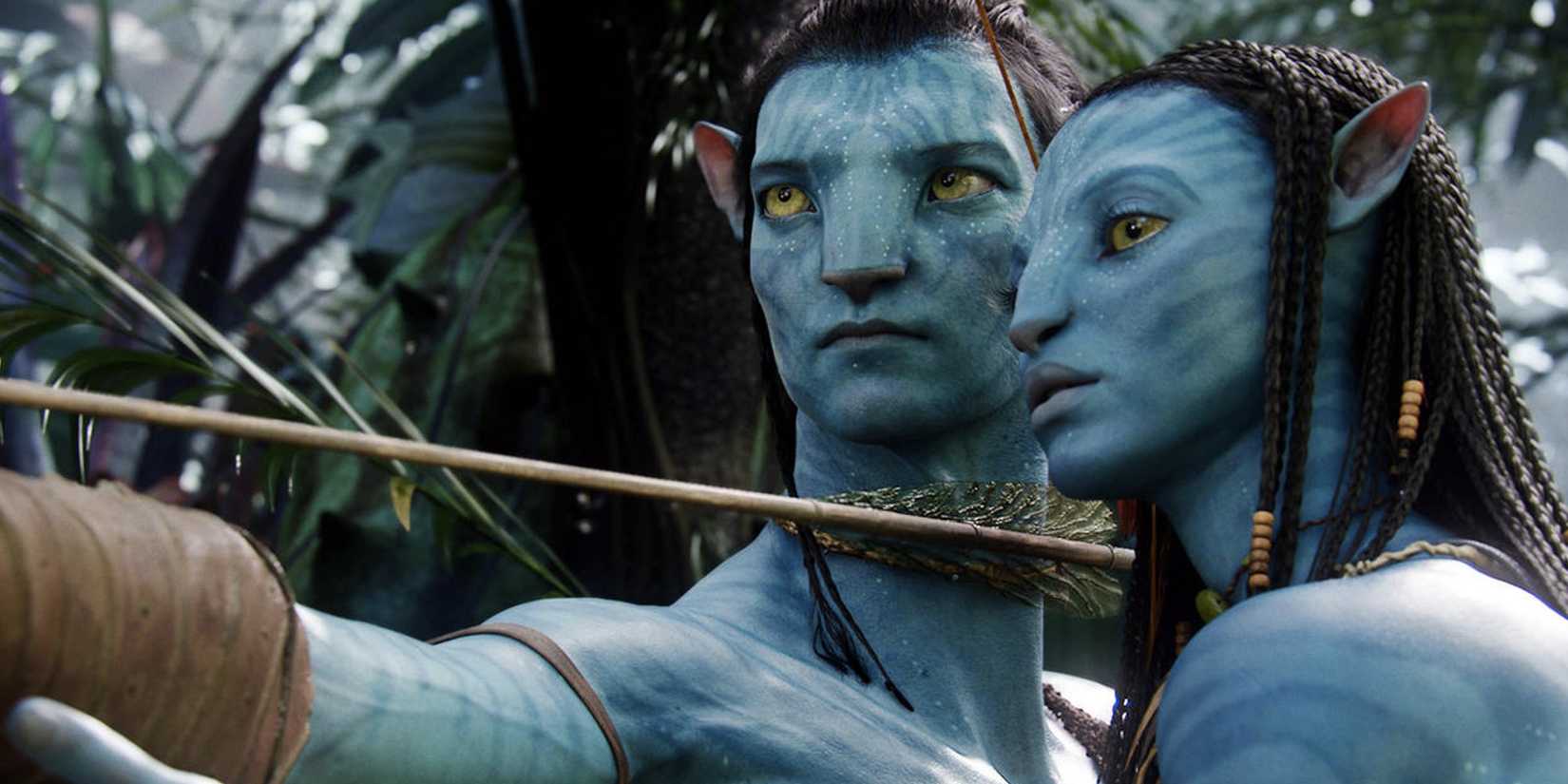 Image via 20th Century Studios
The big blue elephant in the room. James Cameron’s Avatar franchise has been one of the biggest of the 21st century just in terms of sheer box office numbers. The first two films both rank in the top five highest-grossing of all time, and even if their cultural footprint has faded more than Cameron’s other epics, there’s no doubting his ability to marry spectacle with high-concept sci-fi. The franchise’s place in film history is assured, if for nothing else than the groundbreaking visual effects.
Jake Sully (Sam Worthington) is a former marine and paraplegic who is given a giant opportunity to replace his deceased twin brother in the Avatar Program. Sully’s mind can be remotely placed into the body of a Na’vi, the ten-foot-tall alien species that inhabits the moon, Pandora. Jake’s allegiance to the humans, who want to use Pandora for its mineral resources, is challenged when he develops an emotional connection with the Na’vi Neytiri (Zoe Saldaña). It’s a warmed-over white savior narrative with shades of everything from Pocahontas to FernGully: The Last Rainforest, but the visual effects are astounding, and Cameron still knows how to stage some very epic action.
9
‘Furiosa’ (2024)
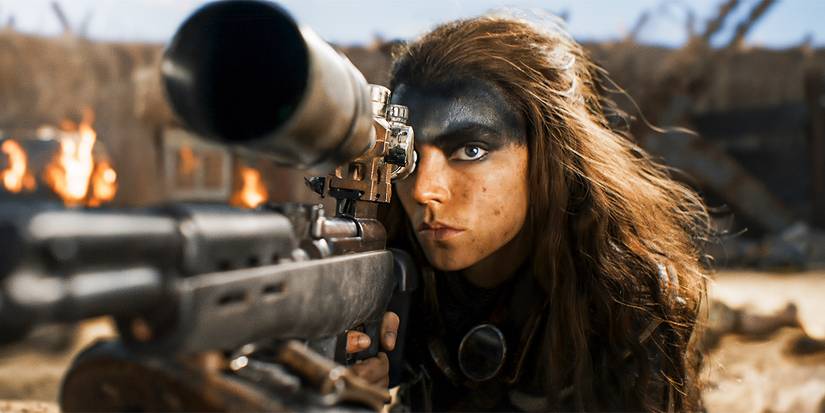 Image via Warner Bros. Pictures
George Miller’s Mad Max franchise has continually reinvented itself over the years. What began with a dystopian revenge thriller became a post-apocalyptic action classic and then a more family-friendly adventure. Decades later, Miller would reinvigorate the franchise with the streamlined action masterpiece Mad Max: Fury Road and then, with the prequel Furiosa, finally entered it into epic territory. While all the previous Mad Max films told fairly contained stories, Furiosa is a sprawling narrative set across years in the wasteland, charting the childhood and cold-served vengeance of the titular character.
Furiosa (Anya Taylor-Joy) is separated from her tribe as a child, becoming the adopted daughter of the warlord Dementus (Chris Hemsworth), who also murdered her mother. Later, she is traded to the vile Immortan Joe (Lachy Hulme), avoiding becoming a part of his harem and quietly plotting her revenge. Furiosa is the biggest expansion the franchise has ever gone through, and while it loses some of the narrative propulsion of its best efforts, it’s still epically entertaining with some vivid and visceral action set pieces.
8
‘Hard to Be a God’ (2013)
 Image via Lenfilm Studio
Hard to Be a God is hard to watch. The Russian sci-fi epic is a grueling viewing experience as it plunges its characters and the audience into a medieval civilization presented in all its grimy glory. Blood is spilled, excrement is spread, and a general mood of despair hangs over the entire three-hour runtime. Based on the novel of the same name by Arkady and Boris Strugatsky, it’s an unflinching depiction of the violence that comes with progress and failures of intellectualism in the face of oppressive ignorance.
A group of scientists travels from Earth to a similar planet that is culturally frozen in a medieval period. One of the scientists infiltrates the society of one of the planet’s kingdoms in order to facilitate and influence change. Alas, the presence of tyrannical leaders and religious zealots makes it a brutal and futile task to complete. As directed by Aleksei German, the film is atypical of his style, with a turbid aesthetic applied to its stark black and white cinematography which amplifies its cynical tone. Hard to Be a God is an epic endurance test.
7
‘Everything Everywhere All at Once’ (2022)
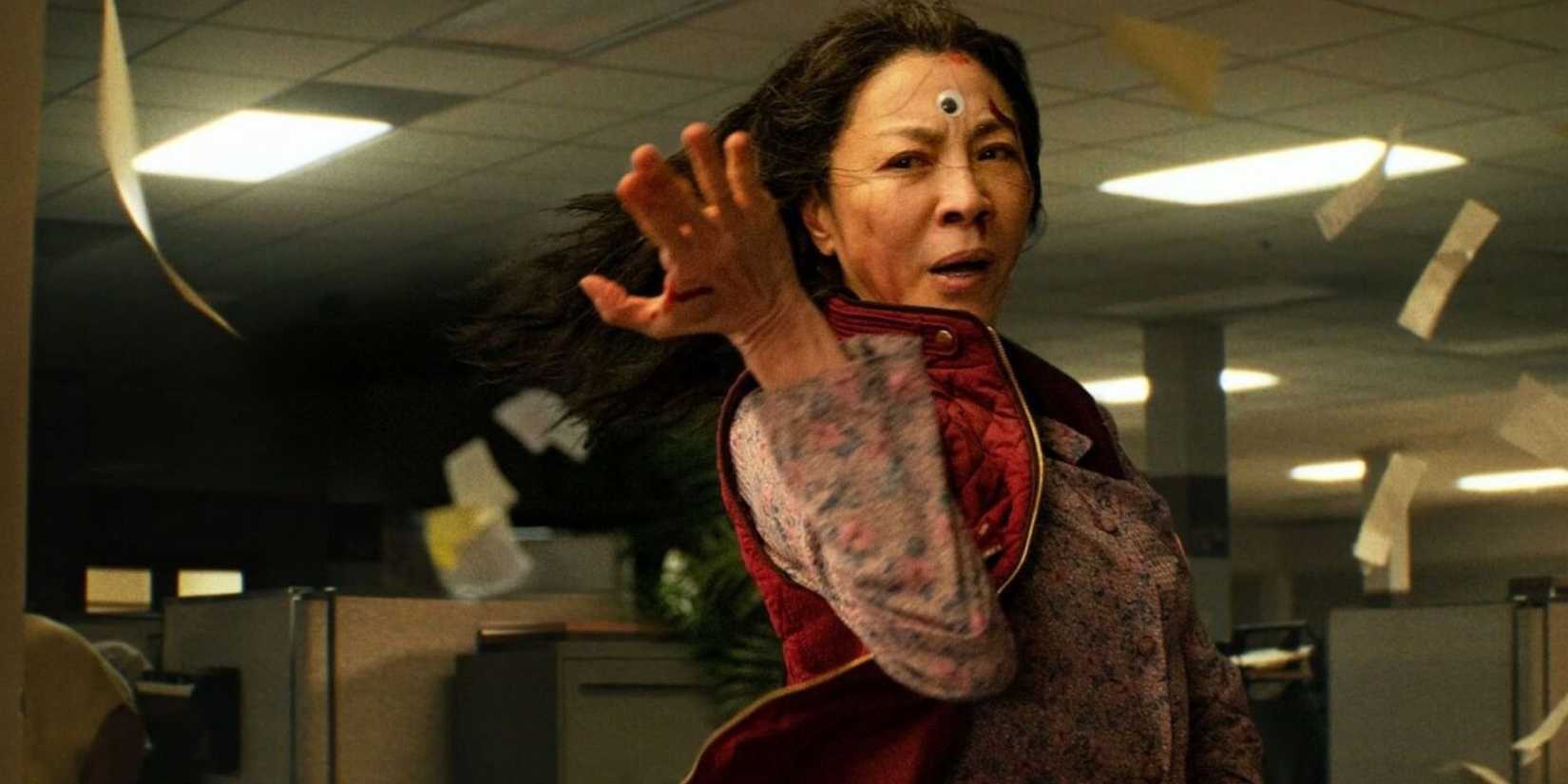 Image via A24
If there’s a perfect palate cleanser for something as morbid as Hard to Be God, it’s the gonzo sci-fi martial arts epic Everything Everywhere All at Once. The story of an immigrant Chinese family writ large as an interdimensional adventure, the film is bursting at the seams with wacky visuals and ideas. The seams do burst, but there’s an undeniable quality of entertainment to this Oscar-winning film with a fantastic cast. As directed by the duo of Daniel Kwan and Daniel Scheinert, it’s a surreal odyssey into the limitless possibilities and divergent paths of human experience.

Evelyn Wang (Michelle Yeoh) owns a laundromat. Her marriage to her husband, Waymond (Ke Huy Quan), is crumbling; she can’t seem to please her father, Gong Gong (James Hong), and her daughter Joy (Stephanie Hsu) is getting more distant every day. On top of all that, she’s also being audited by the IRS. From this familial turmoil, Evelyn is thrown into multiversal madness when she’s burdened with saving every parallel universe from destruction under an alternately villainous Joy. It throws everything at the audience; some of it sticks, some of it doesn’t, but it’s all an epic good time.
6
‘Godzilla Minus One’ (2023)
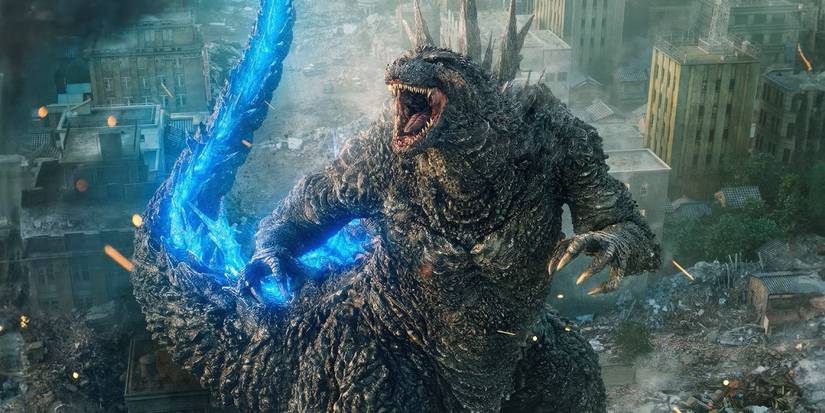 Image via Toho
It doesn’t get much more epic than the King of the Monsters. Japan’s favorite kaiju returns to his home country after a stint in the States, starring in some empty-calorie entertainment for Godzilla Minus One, a massive reboot that brought big emotions and bigger destruction back to the franchise. The effort comes courtesy of director and visual effects supervisor Takashi Yamazaki, who, along with an incredible team of visual effects artists working under questionable labor tactics, managed to create an epic-sized disaster film at a fraction of the budget that their Hollywood counterparts have.
Set in the aftermath of World War II, Japan is reeling from the massive destruction wrought upon it while pilot Koichi Shikishima (Ryunosuke Kamiki) struggles with the guilt of his failed kamikaze mission and the trauma of surviving an attack by Godzilla. After Koichi becomes part of a bomb disposal team, he comes face to face with the now mutated kaiju, who is headed straight for Japan. Godzilla Minus One brings the sociopolitical undertones that have always elevated the franchise’s best entries, but is imbued with even stronger character dynamics that make it more emotionally resonant and just as intimate as it is epic.
5
‘The Fountain’ (2006)
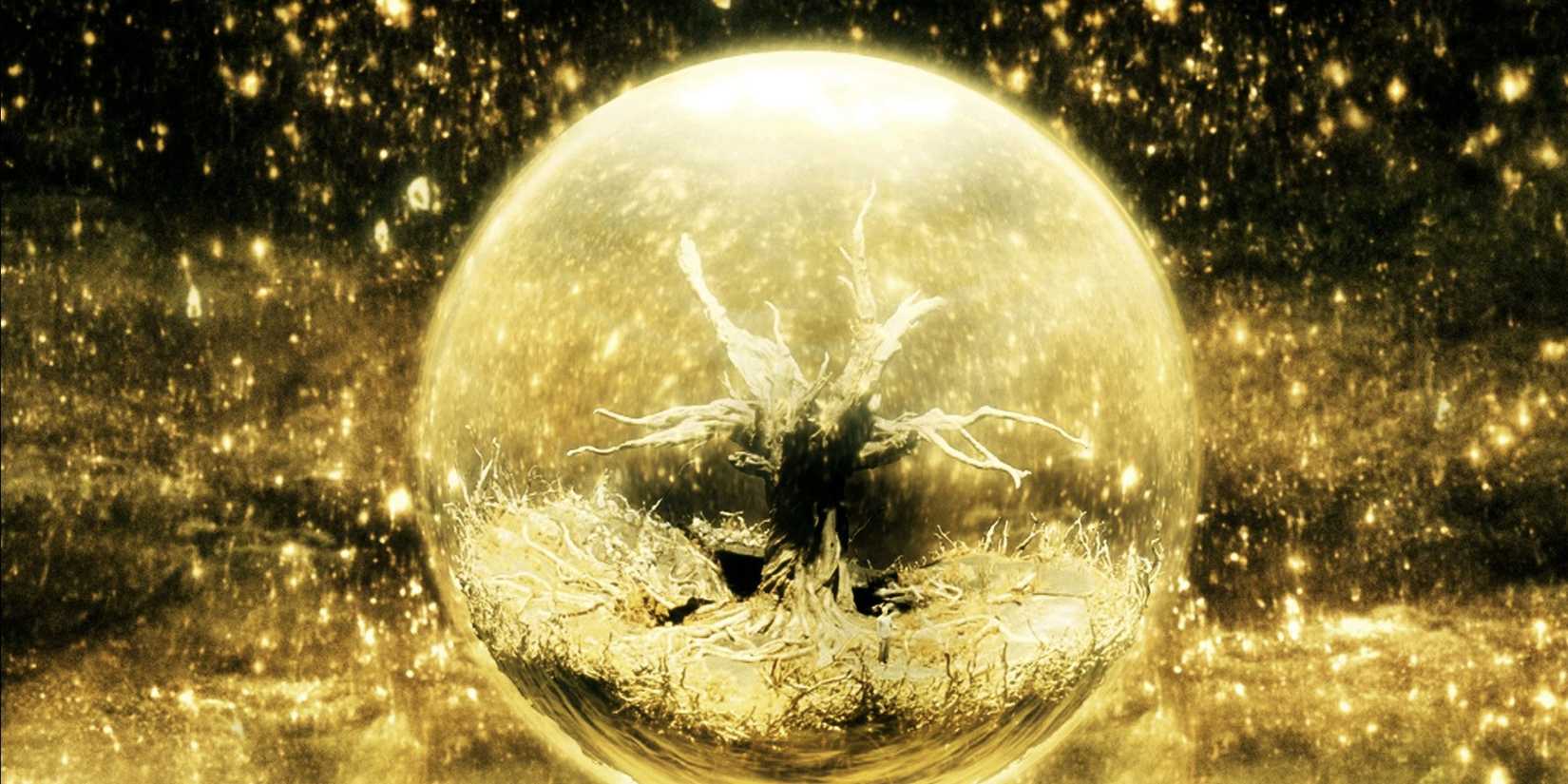
Image viaWarner Bros.
Darren Aronofsky can be a polarizing director. His films often have a narrative bluntness that some audiences can find grating even when the visuals are immersive and impressive. Aronofsky’s most visually sumptuous film to date, the epic sci-fi romance The Fountain, similarly confounded many. Critics found its century-spanning narrative, encapsulated by three distinct storylines featuring Hugh Jackman as different men attempting to conquer mortality, to be excessive and emotionally exaggerated. It’s since had a reappraisal and developed a deserved cult following for its audacity.
Tomas (Jackman) is a conquistador in search of the Tree of Life, Tommy (Jackman) is a surgeon searching for a cure to his wife’s degenerative brain disease, and Tom (Jackman) is an intergalactic traveler, tending to a dying tree in his glass spaceship. All three men must come to terms with mortality and loss, and even though The Fountain is filled with grand visuals, it’s the emotions of it that have the most impact. It’s arresting to watch but agonizing to engage with.
4
‘Blade Runner 2049’
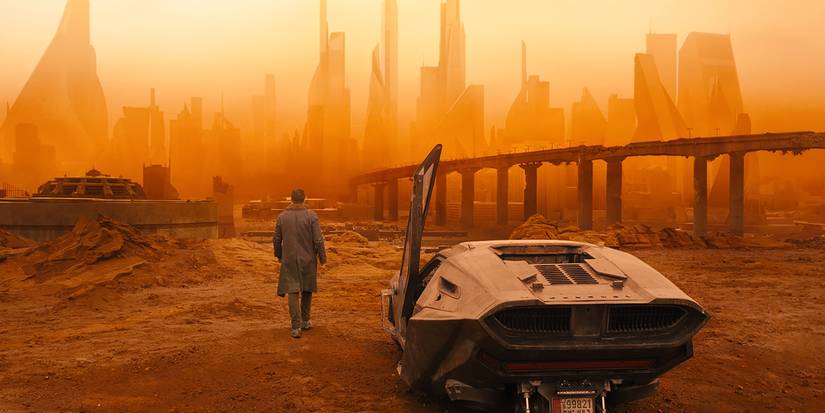 Image via Warner Bros. Pictures
Of all the major filmmakers to contribute to the sci-fi genre in the 21st century, Denis Villeneuve has arguably made the biggest impact. After the intimate sci-fi drama Arrival, the director began a run of sci-fi epics, starting with the astounding legacy sequel Blade Runner 2049. Following up Ridley Scott‘s sci-fi classic, especially after the accumulating acclaim that accompanied its cult status, was an incredibly daunting task, but the film defied the legacy sequel odds by delivering an epic story worthy of its predecessor.
Picking up thirty years after the first film, the sequel follows replicant Blade Runner K (Ryan Gosling), who specializes in retiring his own kind. When he discovers evidence of a miracle — a replicant giving birth — it sends him on an investigation that will unravel his sense of identity and bring him into contact with OG Blade Runner Rick Deckard (Harrison Ford). It’s a film that pays homage to the iconic original but avoids becoming a hollow retread, introducing a new protagonist with a compelling arc and featuring gorgeous cinematography by Roger Deakins, who finally won a long overdue Academy Award for his work. Blade Runner 2049 is a visually overwhelming vibe of a film, just like the original.
3
‘Interstellar’ (2014)
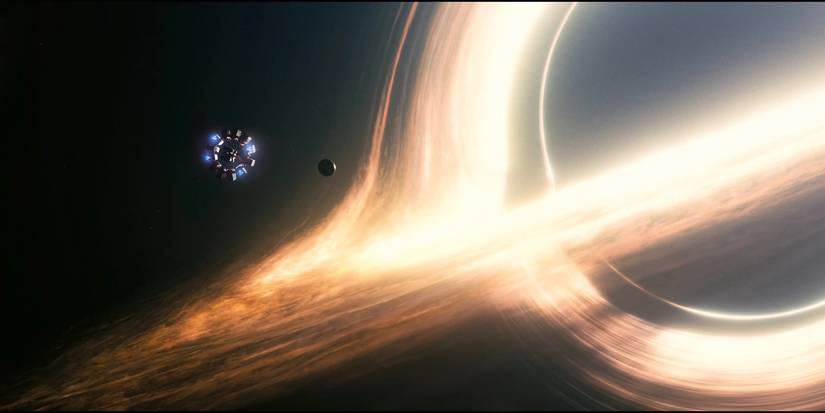 Image via Paramount Pictures
Christopher Nolan has had a career of monumental success and critical acclaim that’s always been tempered by very vocal criticisms targeting his characters and convoluted plots that sacrifice emotion for overly complex structures. All of those criticisms could be applied to his sci-fi epic Interstellar, which was more coolly received by critics when it first released. Nolan was criticized for prioritizing spectacle, and the more sentimental aspects of the plot were considered clunky. In the decade since its release, its stature has grown, particularly in retrospective reviews among other hard sci-fi films of the era.
In a future where Earth has become blighted, former pilot Cooper (Matthew McConaughey) is brought back into the fold at NASA to seek out other planets found through a wormhole as potential new habitations for humanity. The mission sees him and his team put into multiple kinds of peril, from destructive planetary forces and human weakness to the emotional turmoil of leaving their children behind to grow old without them. Interstellar still looks amazing, and its admittedly hackneyed notions of love have certainly become less obtrusive. It’s an epic love story made by one of the most accomplished technical filmmakers working today.
2
‘Spider-Man: Across the Spider-Verse’ (2023)
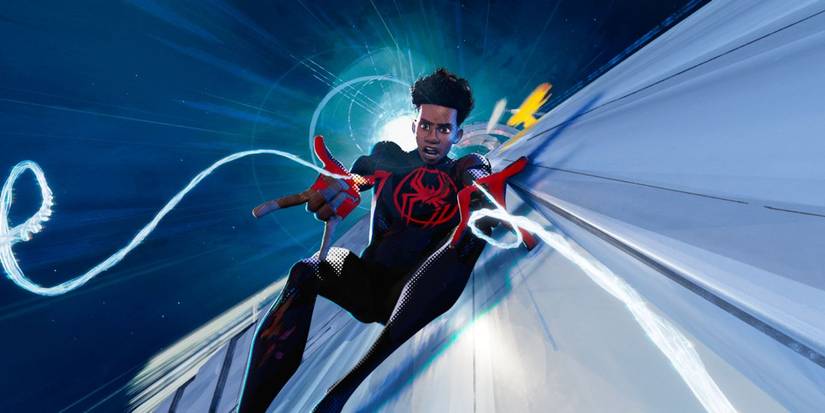 Image via Sony Pictures Releasing
While the MCU and DCU have been flummoxed by audience apathy and floundering with critics and at the box office, one superhero franchise has continued to thrive. The Spider-Verse films stand in stark contrast to their live-action brethren thanks to their inventive visual style and focus on a protagonist whose story hasn’t been exhausted on the big screen. Spider-Man: Into the Spider-Verse introduced movie audiences to Miles Morales, and the sequel, Across the Spider-Verse, brought the entire multiverse into it with epic results.
After coming to terms with the great responsibilities that go along with his great power, Miles (Shameik Moore) still struggles to balance his superhero activities with his personal life. Things get even more complicated when he follows Gwen Stacy (Hailee Steinfeld) into an alternate universe and finds himself at odds with the entire Spider-Society. Across the Spider-Verse is an epic animated sci-fi film and one of the best superhero movies of all time. It’s one of the most ambitious and visually stunning animated films of the 21st century, and sets the stage for what has the potential to be one of the most perfect superhero trilogies.
1
‘Dune: Part Two’ (2024)
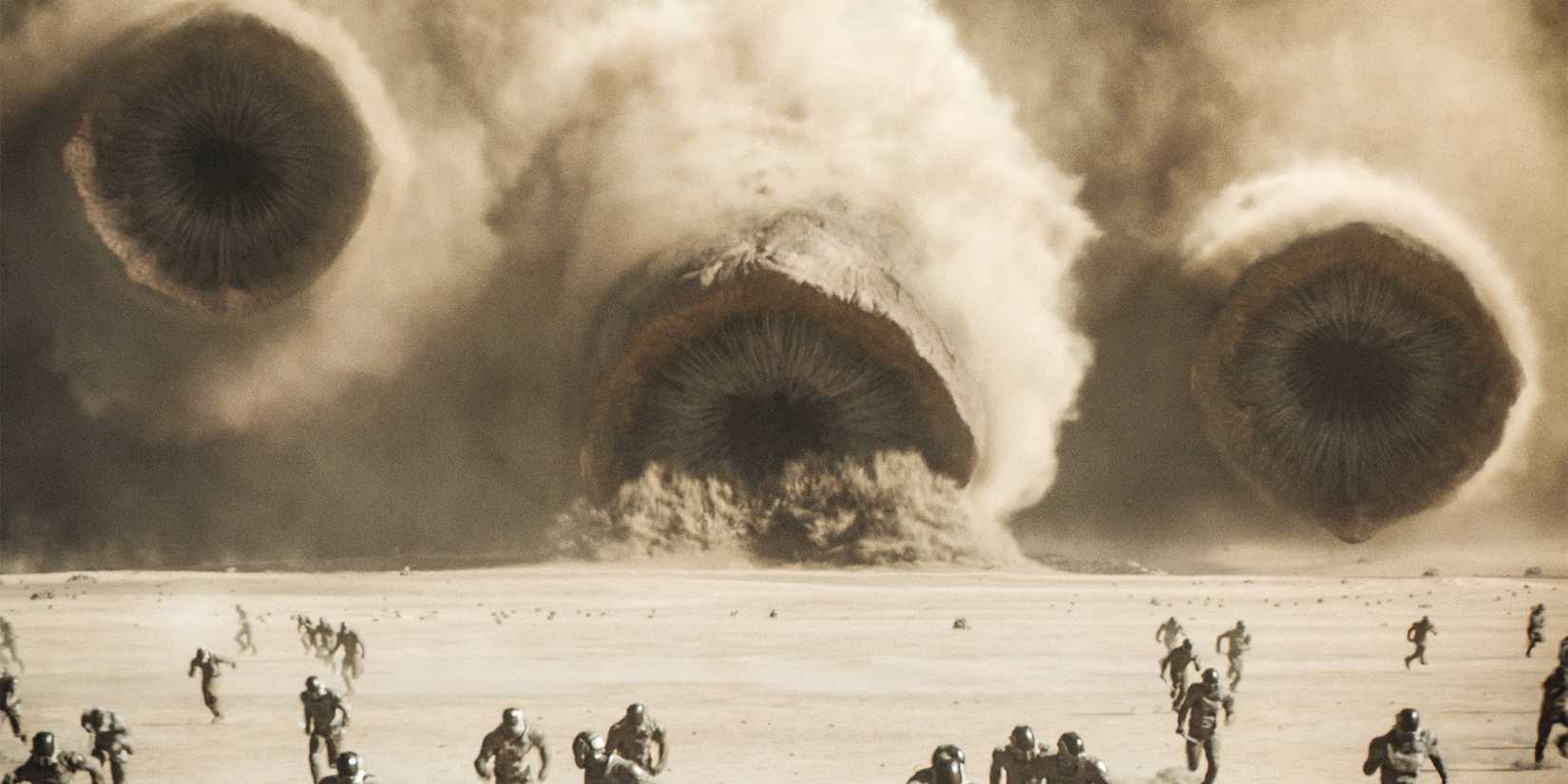 Image via Warner Bros. Pictures
Denis Villeneuve’s big-budget adaptations of Frank Herbert‘s seminal sci-fi series Dune have become the poster children for epic sci-fi in the 21st century, combining massive setpieces with incredible visuals and all-star casts. Attempts to bring Herbert’s work to the screen had proven difficult in the past, but with the full force of Warner Bros. behind him, Villeneuve was able to craft two (soon to be three) epic films worthy of their immense sci-fi legacy.
While the first film was an epic introduction to the desert world of Arrakis and the political turmoil caused by different powers vying for control of its spice resources, the sequel elevates every aspect. Paul Atreides (Timothée Chalamet) now wanders the deserts with the nomadic Fremen, plotting his revenge against House Harkonnen, who staged a coup and killed his father. Atreides evolves from reluctant leader to messianic figure as he ascends to the throne of the galactic emperor, leading to a climactic battle with the vicious Feyd-Rautha (Austin Butler). It’s an overwhelming visual experience, putting sci-fi on a scale only possible with the most expertly applied visual effects and epic-sized filmmaking.