



































Being a leader in any industry is physically and emotionally taxing, but in the underworld of organized crime, it’s a position not designed for the human body and mind. The Sopranos was a groundbreaking evolution of dramatized portraits of the mafia on-screen, carrying the baton passed on by The Godfather and Goodfellas. Stripping away the glossy romanticism of Francis Ford Coppola‘s 1972 film and the visceral, roller coaster-like rush of Martin Scorsese‘s 1990 exploration of this milieu, David Chase‘s HBO drama, which changed television forever during its run from 1999 to 2007, made mob life seem oddly relatable on a psychological level. The show’s candid dissection of mental health has endured in culture today, and it found an avenue to resonate with audiences allergic to ultra-violent, hard-edged crime stories.
The Sopranos‘ central figure, boss and family patriarch Tony Soprano (James Gandolfini), is the quintessential TV anti-hero. Despite his grave wrongdoings, he became beloved and iconic thanks to his emotional vulnerability (something he tried to repress) surrounding his angst and dissatisfaction with the world. Through his tortured emotional state, The Sopranos underlined that power and luxury were a punishing burden on the heart and mind, with one line by Tony leaving clues behind his mysterious fate.
The Ending of ‘The Sopranos’ Remains a Mystery
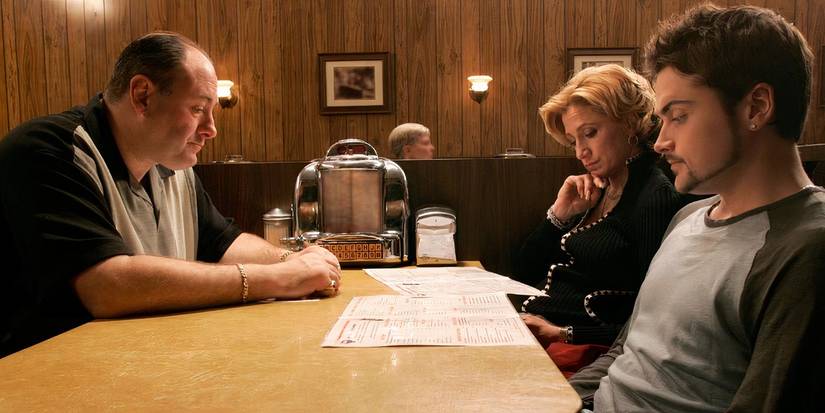
While the sheer audience anger has been tempered, the controversial ending of The Sopranos remains an object of endless fascination and debate. Audiences have become more appreciative of Chase’s audacious storytelling decision and his biting commentary on unknowability and mortality, but that hasn’t stopped die-hard fans from studying every line reading as evidence that can support a verdict regarding Tony’s fate in the series finale, “Made in America.” Chase is reticent to fill in the blanks, imploring fans to embrace the value of open-ended interpretation, but there are enough hints sprinkled throughout The Sopranos‘ seven seasons that suggests that Tony was mercilessly killed in front of his family at Holsten’s.
The home stretch of Season 5 of The Sopranos, marked by the tragic execution of Adriana La Cerva (Drea de Matteo) for conspiring with the FBI and the gradual downfall of Tony Blundetto (Steve Buscemi), signaled the end times for all parties. The season finale, “All Due Respect,” deals with the ramifications of both characters’ demises and the curious case of Tony Soprano, a man of stark contradictions. He longs for a sense of order, even though nothing he’s done in his life suggests that the Soprano lifestyle warrants peace. He’s a calculating mob boss without sentimentality, except for the fact that his stubborn protection of Tony B from the New York family is putting his entire empire at risk.
The “All Due Respect” Conversation in Season 5 of ‘The Sopranos’ Reflects Tony’s Sadness
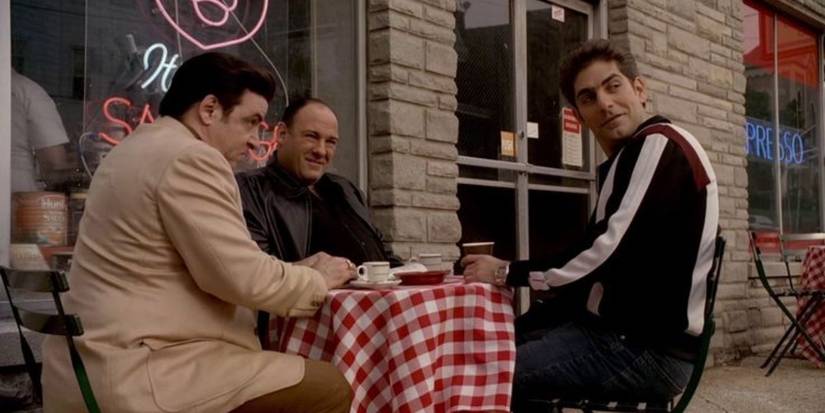
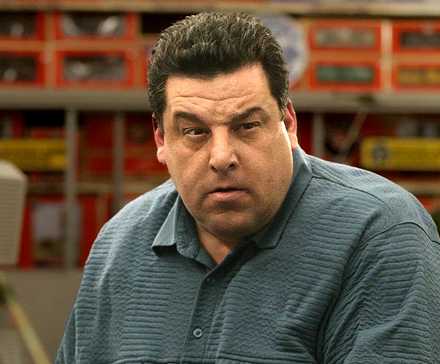
In the episode’s highlight scene, a stirring and enlightening conversation between Tony and his trusted consigliere in the Bada Bing office, Silvio Dante (Steven Van Zandt), stresses the demanding nature of the boss’ responsibilities and general, all-consuming pessimism. Compared to the batch of cronies and yes-men in the family, Silvio is the one member who has the intelligence and fortitude to stand up to Tony. “You got a problem with authority,” Silvio boldly tells his boss, prefacing it with the episode’s namesake, “All due respect.” From an audience perspective, he’s completely right, as Tony cares more about standing resolute against Johnny Sack (Vincent Curatola) and Phil Leotardo (Frank Vincent). Complimenting his tough leadership, the family’s #2 assures Tony that everyone has their faults, and his just happens to be pride, one of the seven deadly sins that is causing a strain in the family by protecting the rogue Tony B.
Tony, who urged Silvio to be blunt with his thoughts, unsurprisingly refutes his analysis and politeness. “All due respect, you got no f—in’ idea what it’s like to be #1,” the boss insists. “Every decision you make affects every facet of every other f—in’ thing. It’s too much to deal with! And in the end, you’re completely alone with it all,” Tony continues, with Silvio looking on in both frustration and fear at his boss’ strong-willed assurance that he’ll keep following his own path, no matter how his underlings feel about it. Initially, the scene plays out like another demonstration of Tony’s badass dominance, but as their conversation concludes, he sits there in his chair, puffing on a cigar as darkness clouds over the room. Not only does Tony alienate everyone around him, but he also makes himself perpetually lonely. At that moment, he is not the mighty Don, but rather, a petulant child.
The final words in this resonant line, in retrospect, reflect our presumptions about what happened when the screen cut to black in “Made in America.” Although his struggles with depression affected his leadership, Tony rarely allowed himself to express sadness, even when consulting with Dr. Melfi (Lorraine Bracco). As a result of his impulsive ire towards Silvio, he subconsciously reveals his inner pain during his response. Comments like “it’s too much to deal with” and “you’re completely alone with it all” are textbook feelings caused by depressive states. The eerily quiet moments when Silvio walks away visualize the perpetual state of isolation Tony places himself in, where he is left to himself to deal with his problems.

What Does This ‘Sopranos’ Line Suggest About the Series Finale?
A curse passed down by his parents, especially his emotionally manipulative and toxic mother, Livia (Nancy Marchand), Tony has always been stuck in purgatory, someone with the luxury of a king but the melancholy of a downtrodden individual. He’s surrounded by loyal soldiers who’d die for him and a wife, Carmela (Edie Falco), who has stood by him despite years of infidelity, yet at the end of the day, he’ll be all by himself, spiritually and literally. Tony is the one who has to answer for all the tough decisions, many of which will likely lead to his conviction or slaying — the only possible outcomes in the criminal underworld. The seemingly eternal black screen before the credits roll in “Made in America” represents the dark void that permeates Tony’s headspace. The opposite theory surrounding the finale — that Tony does survive — is arguably more bleak, as every day feels like death is around the corner as the head of a crime family.
It has over 13 million views worldwide.
The mental health-conscious Sopranos has only helped the legendary series to improve with age. “It’s too much to deal with” is a sentiment that rings true for many people grappling with the stresses compounded by social media and economic distress. In no way should the average twentysomething relate to the pathos of a powerful mob boss, but James Gandolfini’s medium-defining performance as Tony Soprano underlines the immeasurable pressure put upon someone born and raised in a world of crime. At some point, all this stress will cause you to black out, leaving you in a hazy state of mystery.
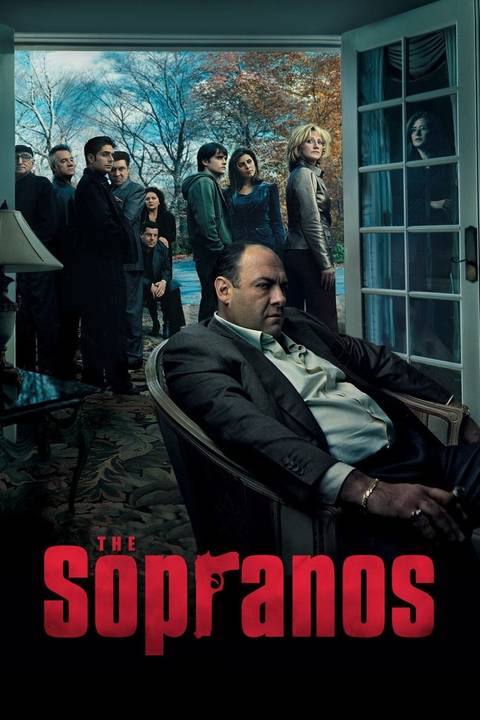
- Release Date
-
1999 – 2007
- Network
-
HBO
- Showrunner
-
David Chase
- Directors
-
Tim Van Patten, John Patterson, Alan Taylor, Jack Bender, Steve Buscemi, Daniel Attias, David Chase, Andy Wolk, Danny Leiner, David Nutter, James Hayman, Lee Tamahori, Lorraine Senna, Matthew Penn, Mike Figgis, Nick Gomez, Peter Bogdanovich, Phil Abraham, Rodrigo García
- Writers
-
Michael Imperioli, Jason Cahill, Lawrence Konner, David Flebotte, James Manos, Jr., Salvatore Stabile, Toni Kalem, Mark Saraceni, Nick Santora