













































For cannabis operators, access to capital remains anything but routine. Federal restrictions, limited banking relationships and uneven state regulations can turn even healthy cash flow into a financing challenge.
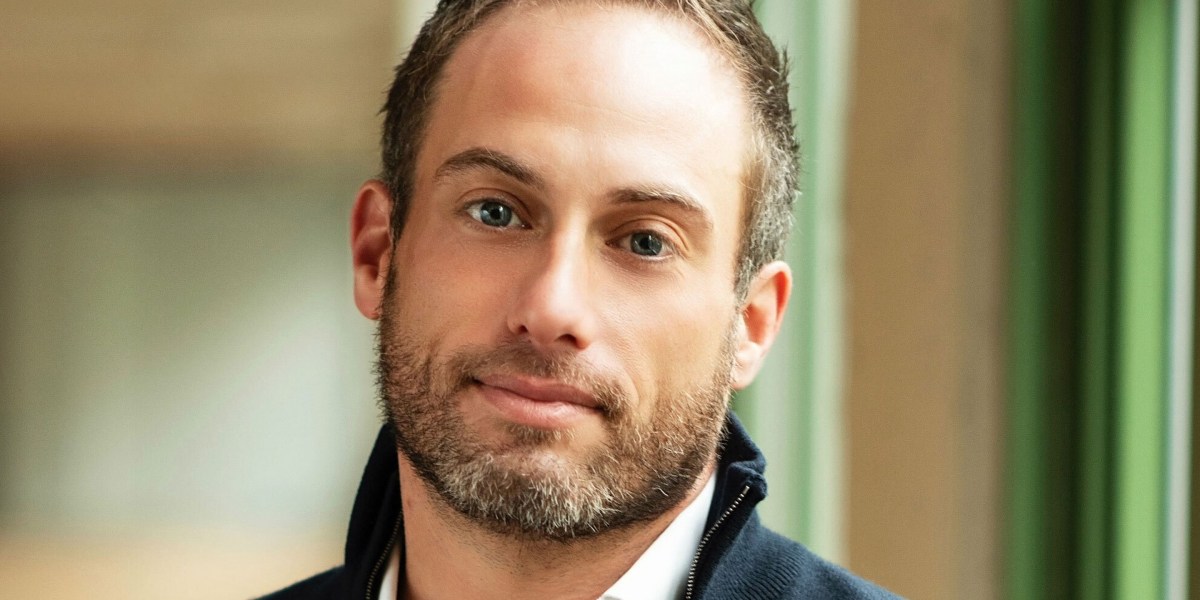
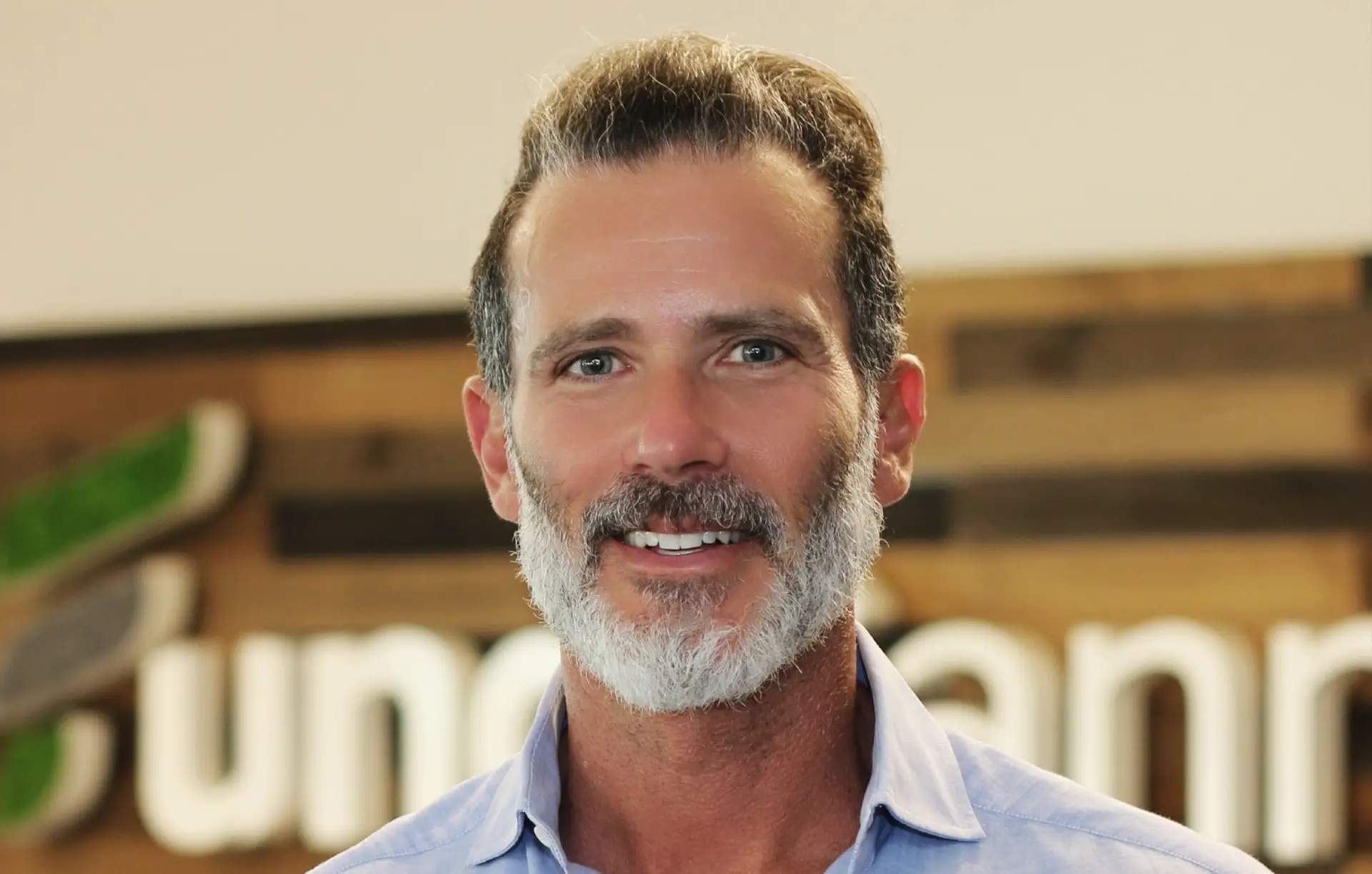
Adam Stettner sees opportunity in that gap. As founder and CEO of FundCanna, a Solana Beach, California-based lender serving the cannabis industry, he has built his business around applying traditional underwriting discipline to a market many banks still avoid.
In this Q&A, Stettner discusses why he entered cannabis lending, how FundCanna manages risk in a federally complicated industry and why he believes debt, used strategically, can help operators grow rather than hold them back.
What inspired you to start FundCanna?
My background is in disciplined lending. While I didn’t set out to build a cannabis lending company, when I saw an entire sector operating without access to professional financial infrastructure, I knew there was opportunity.
FundCanna ultimately came to be during the pandemic. When cannabis was declared an essential business, it immediately caught my attention from a financing perspective. Essential businesses are supposed to have access to capital. But as I dug in, I realized cannabis wasn’t just underbanked, it was severely underbanked.
Traditional small businesses might get approved for lending 20 to 25 percent of the time. In cannabis, fewer than 5 percent of banks were even willing to provide basic banking services, let alone credit. That disconnect was massive.
What really pulled me in wasn’t just the regulatory complexity, it was the cash flow reality. Cannabis operators were dealing with state-by-state compliance, limited banking relationships, delayed receivables and constant regulatory volatility, yet they were still generating real revenue and real demand. I recognized the same pattern I had seen in other underbanked sectors—strong operators being constrained not by lack of demand, but by lack of capital efficiency.
So I went to work. I studied the supply chain from cultivation to retail, the patchwork licensing frameworks in each state and how money actually circulates in the ecosystem. My goal was to build disciplined financial products that met the industry where it actually operates.
I started FundCanna to be that pragmatic, institutional-minded partner—bringing structure, underwriting discipline and real financial tools to a market that had largely been left to figure it out on its own.
Cannabis remains federally complex. How do you build an institutional-grade lending platform in a market that many traditional banks still avoid?
You start by being honest about why banks historically steered clear. This industry sits in a federal gray area, and that creates real compliance burdens and drives up operational cost and reputational risk. From there, institutional grade means discipline where it matters.
We underwrite based on state licensing frameworks, enforcement posture, market maturity and price dynamics. We diversify across geographies, verticals and operator profiles so a regulatory shift in one place isn’t a single point of failure. We also keep our underwriting alive through monthly look-backs, scenario planning and product and credit adjustments, rather than treating guidelines as scripture.
Moreover, we design products that match how cash flows through the cannabis supply chain instead of trying to force operators into standard banking boxes. That combination of rigorous compliance, active credit management and product fit is how you build something durable in a market others avoid.
Many CEOs are wary of debt. What’s your philosophy on leveraging debt as a strategic tool for growth?
Some CEOs, especially founders and early-stage companies, start with a natural caution toward debt. That instinct usually comes from scenarios where revenue is unpredictable or inconsistent, or the consumer mentality of buying things on debt as a negative. In those situations, wariness is rational.
But once a business has established consistent cash flow, and understands their economics and path for return on capital, debt shifts from being a risk to being a strategic tool. The real question isn’t whether debt is good or bad—when used correctly debt is definitively a good thing.
The questions should center on the business’ ability to deploy capital productively and if it can ultimately earn more on the debt than the cost of the debt itself. If the answer is yes, debt is very good.
My philosophy is that debt, when used properly, is one of the most efficient ways to grow a business. Equity is the most expensive capital a company can use because it permanently dilutes ownership. If a company can access and deploy capital into activities that generate a higher return than the cost—whether that’s inventory, expansion, receivables or customer acquisition—debt allows the business to scale, while preserving equity value for the owners.
The key distinction is between what I will call productive debt and desperation debt. Productive debt funds profitable growth and is tied to revenue-generating activity or leveling up a company. Desperation debt is used to plug losses or delay outcomes without a clear path out of the trouble.
When debt is aligned with a healthy business model and cash flow, it becomes a powerful lever for growth rather than a burden. In that context, leverage isn’t something to fear, it’s a tool to accelerate success.
What’s next for FundCanna as the cannabis industry continues to evolve?
We’re continuing to build the financial infrastructure that the cannabis industry has been missing since day one. The industry has grown quickly, but the systems that support it—particularly capital, payments and credit—have lagged behind. Among the reasons are the relative immaturity of state-legal markets, inconsistent regulation, federal prohibition and cannabis’ longstanding classification alongside other so-called “vice industries,” which has limited institutional participation.
As the market matures, operators need financing tools that look more like what every other industry already has: predictable access to working capital, ways to manage receivables and payment structures that align with how revenue actually flows.
One of the biggest problems we see today is the amount of capital trapped in accounts receivable across the supply chain. Brands and distributors are often waiting weeks or months to get paid, which slows down the entire ecosystem. That’s why we’re focused heavily on building solutions like ReadyPaid that allow sellers to get paid immediately while giving buyers the flexibility to pay overtime. It improves cash flow for both sides and helps the market operate more efficiently.
At the same time, we’re continuing to scale our lending platform across more states and verticals while maintaining disciplined underwriting that adapts to the realities of each market.
Cannabis will continue to face regulatory shifts and price compression in certain regions, so the key is building capital solutions that are flexible, transparent and durable. Our goal is to make financing one less obstacle so operators can focus on building strong businesses in a rapidly evolving industry.