








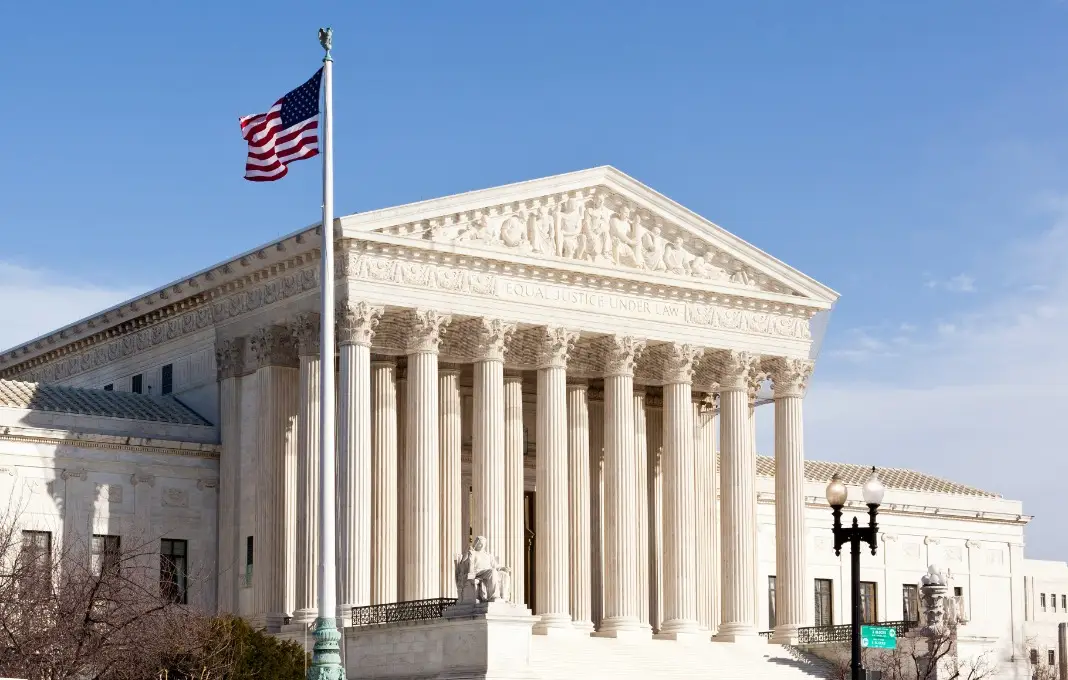































The U.S. Supreme Court has a long tradition of letting the states shape the law of civil litigation as they see fit. With 50 simultaneous experiments going on all the time, the theory goes, the most reasonable legal solutions will win out.
The court also tries to avoid deciding when fines and punitive damages awards are too big. The closest it came to the latter is a 2003 decision striking down a $145 million verdict against State Farm—45 times actual damages—saying punitive damages should be in a “single-digit ratio” to what the plaintiff actually lost. The court also pushed back against a $4 million punitive damages award over a $4,000 paint job on a BMW car in 1996, without specifying what a permissible number would be.
Sizing Up the States
Both traditions may be relaxed this year, as the high court ponders cases that challenge the right of states to sue oil companies over global warming and the power of government to levy fines far in excess of whatever harm a wrongdoer actually committed.
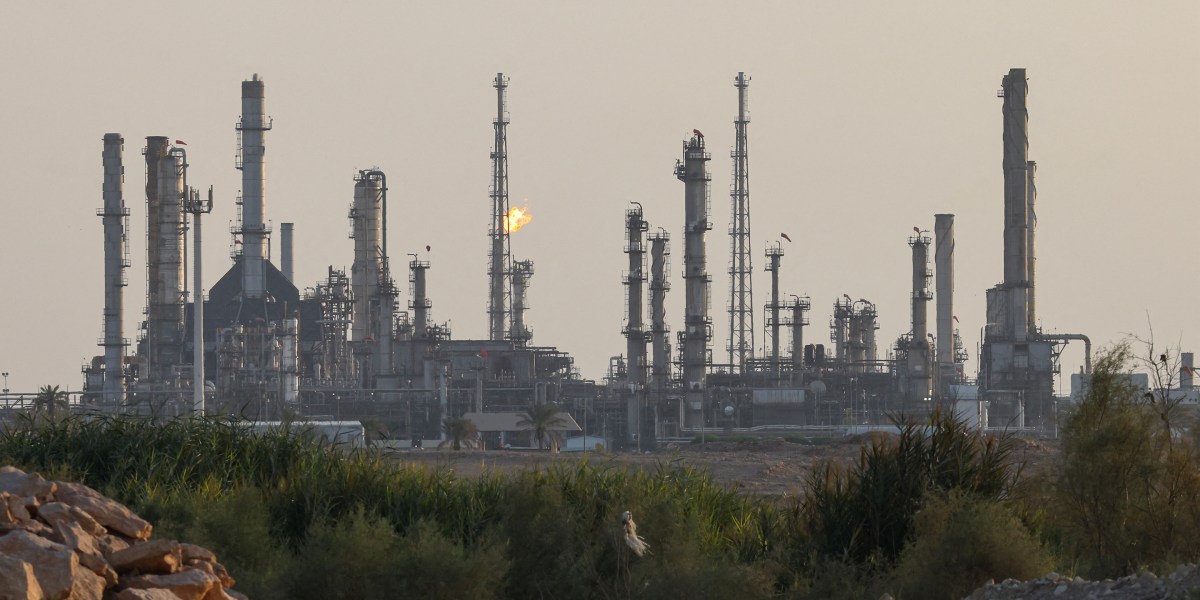
The stakes for business are huge: The oil industry faces hundreds of lawsuits by state and local governments accusing it of accelerating climate change by selling fossil fuels, and pharmaceutical companies paid tens of billions to resolve similar lawsuits over opioids. The fines governments can assess over even minor violations of pollution, labor and other regulations can be crippling.
To win these cases, however, business must overcome the skepticism of conservative justices who tend to believe in state sovereignty, especially over matters of public health and safety. The justices also dislike invoking the Constitution over mundane matters like fines and lawsuits, although the Eighth Amendment forbids “excessive fines.”
Those words will be tested in Jouppi v. Alaska, a case on the court’s fall agenda that asks whether the police can seize a $95,000 airplane over a six-pack of beer. Alaska’s argument is one governments have made at least since the days of King John in the 1200s.
By smuggling beer into a village where alcohol is banned, pilot Ken Jouppi violated a law designed to prevent bootleggers from causing “grave societal harm” such as alcoholism and fetal alcohol syndrome. The U.S. Supreme Court upheld a similar law in the 1800s where Maine imposed a $5 fine per under-length lobster—100 times the value of the lobster itself—to prevent the destruction of a vital fishing resource.
The Beer Battle
Jouppi’ssupporters argue the penalty in his case far outweighs any harm a few unauthorized beers could cause. The pilot says he had no idea someone secreted the beer in a load of supplies he was supposed to deliver to a remote village, and he shouldn’t have to forfeit his plane over an innocent mistake.
The Excessive Fines clause is based on the Magna Carta, which says a “free man” shall be fined “for a small fault only according to its magnitude.” By holding states to that principle, Jouppi’s supporters say, the court can bring predictability to an unsettled area of the law.
The Supreme Court has also agreed to hear Suncor v. Boulder County, which asks whether a Colorado county, and by extension the states, can sue oil companies over climate change. The Trump administration, supported by a wide collection of business groups, argues federal law preempts such cases. Otherwise, “every locality in the country could sue essentially anyone in the world for contributing to global climate change.”
The court’s conservatives face a difficult choice with this one. Do they defend the sovereignty of the states or rein in litigation that threatens to upend global energy markets? Fortunately for them, they have an easy out in this case: The Colorado Supreme Court has allowed the lawsuit to proceed, allowing the U.S. Supreme Court to decline jurisdiction until there is a final judgment.