









































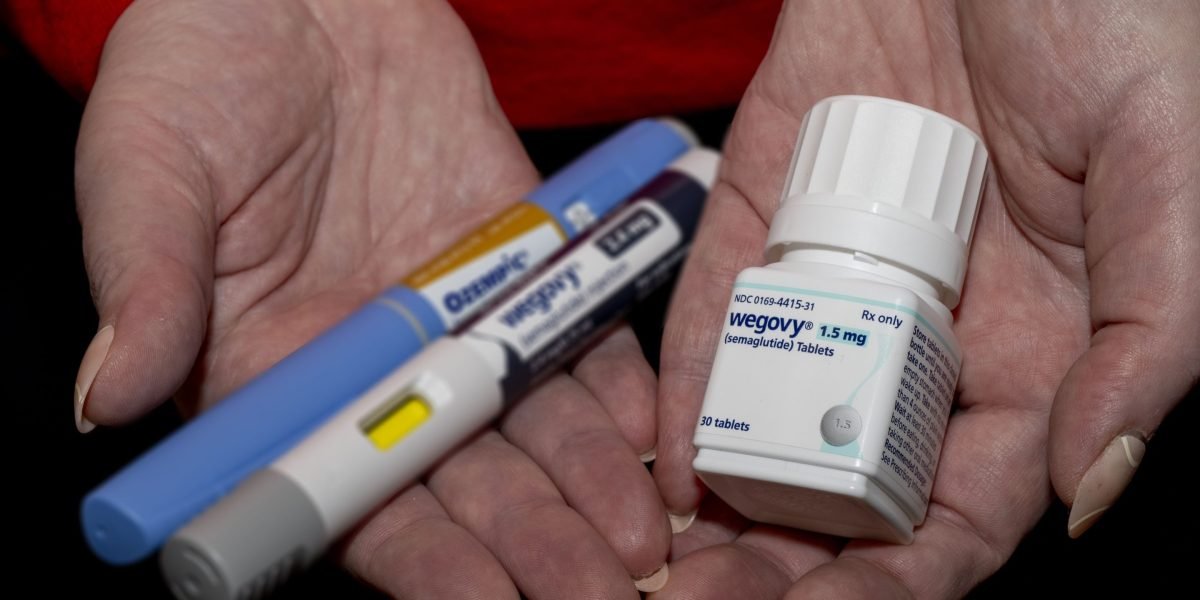

There’s something the tens ofmillionsof Americans who are currently onGLP-1medications, or thinking of starting them,needtoknow.
When patients rapidly lose weight, they also tend to lose muscle mass andbonedensity, which can increase their risk of fractures and long-term mobility issues. That’s why it’s so important for patients takingGLP-1s to work with their doctors — and pair the medicines with exercise and strength training.
GLP-1s work by mimicking glucagon-like peptide-1, a hormone in the body that regulates blood sugar, appetite, and digestion. Essentially, the drugs make patients feel full longer, which reduces food intake and predictably leads to weight loss. Patients can lose 5%-20% or more of their body weight within a year of therapy, and also see significant improvements in their cardiovascularhealth.
But when people shed those pounds, they also tend to lose muscle andbone. About 25% of the total weight loss tends to come from a decline in musculoskeletal mass.
That, in turn, may increase the risk of fractures, especially in older adults. While data on fractures among individuals usingGLP-1s is still limited, one study found that older adults with type 2 diabetes usingGLP-1s had an 11% increased risk of fractures.
Older women and those in perimenopause may be particularly vulnerable. Women already lose muscle mass andbonedensity as their estrogen levels fall during menopause — they can lose 10-20% of their peakbonemineral density during the menopause transition. ConcomitantGLP-1use can exacerbate those losses.
This evidence does not mean that older patients cannot use or benefit from these medications; however, they doneedto be aware of these secondary effects — and work with their doctors to mitigate them.
Initially, patients should have a thorough conversation with their physicians about the benefits andrisksofGLP-1s — especially if patients are broadly healthy and are interested in the drugs for mostly cosmetic reasons.
Patients should also consult their doctors to develop a treatment plan that prioritizes exercise and strength training. That combination treatment —GLP-1s paired with exercise — can simultaneously promote weight loss while preservingboneand musclehealth. Strength training, in particular, helps stimulatebonegrowth and may boostbonemineral density.
Patients should also ensure proper nutrition, following diets high in protein, calcium, vitamin D, and magnesium to promote muscle andbonehealth.
At times,GLP-1s can seem like miracle drugs. Though they were originally developed to help patients combat diabetes and lose weight, emerging research suggests they also improve cardiovascularhealthand may have potential beneficial effects on kidney disorders, osteoarthritis, and even addiction.
Given how powerful they are, it’s easy to see why 12% of Americans have already taken one, and why that share is increasing by the day.
But losing weight is supposed to improve ourhealth, not put it at risk. Patientsneedto familiarize themselves with the drawbacks, not just the benefits, of these medicines — and collaborate with their doctors to safeguard their long-term muscle strength andbonehealthas much as possible, rather than purely shrinking their waistlines.
The opinions expressed in Fortune.com commentary pieces are solely the views of their authors and do not necessarily reflect the opinions and beliefs of Fortune.