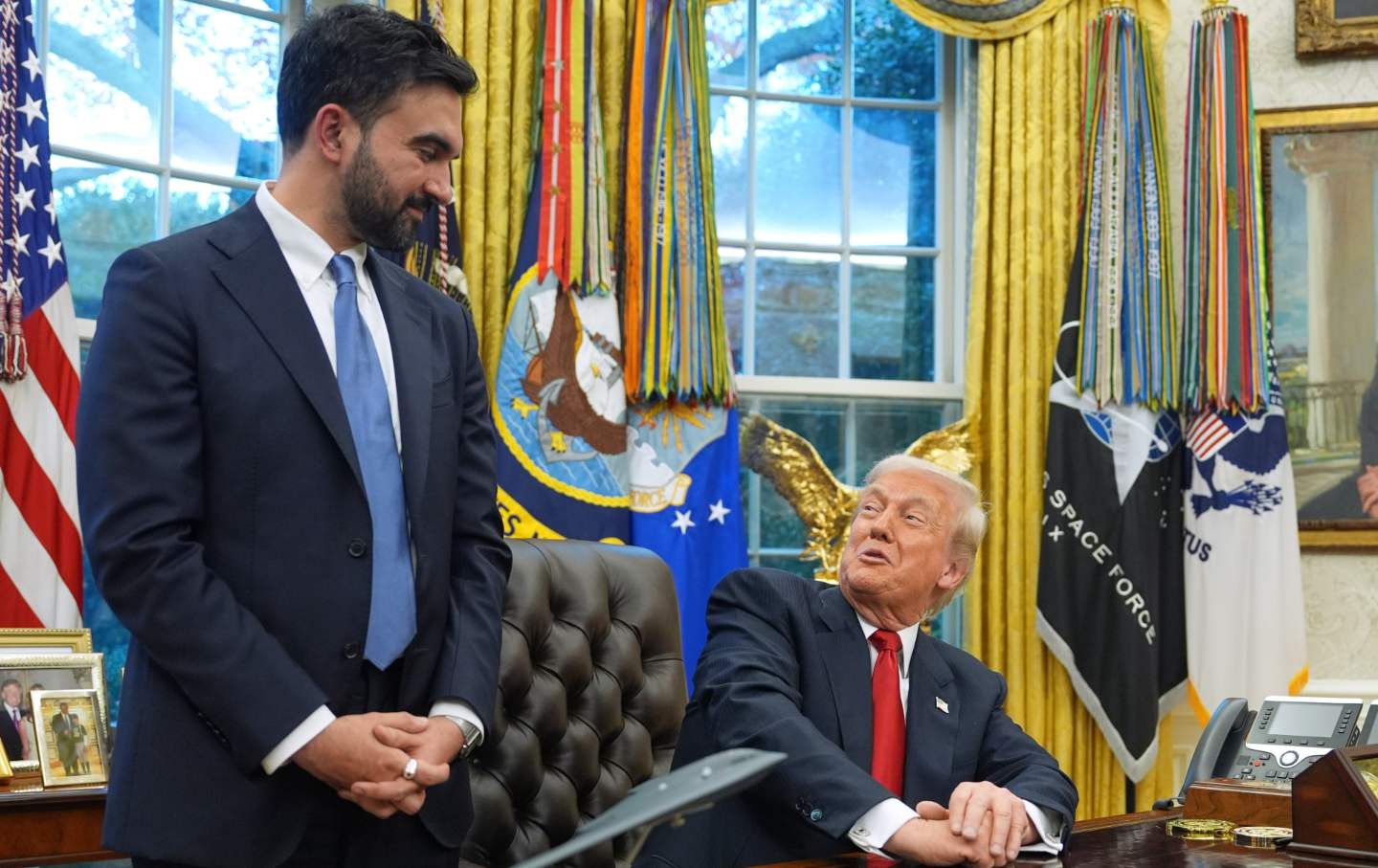










































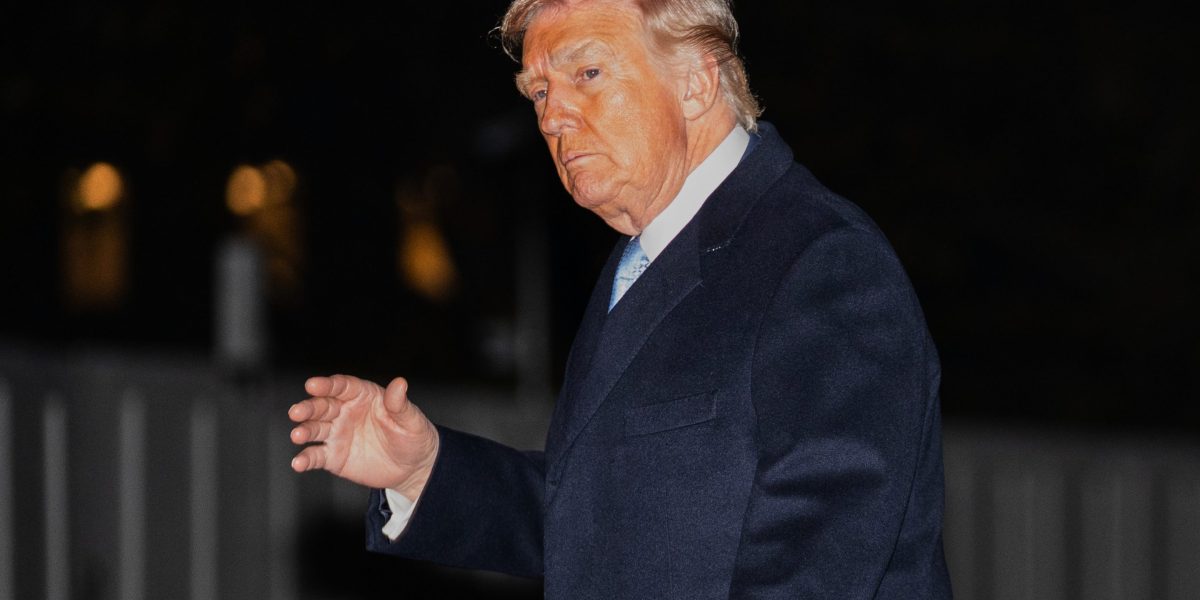
PresidentDonald Trump’s veneer of political invulnerability has begun to crack as he struggles to find his footing on Americans’concerns about affordabilityand fails to extinguish a push by renegade Republicans to release more files fromthe Jeffrey Epstein case.

The twin challenges, coming shortly afterDemocratic victoriesin recent elections and before next year’s midterm campaigns that will determine control of Congress, represent a sobering situation for a president who has reveled in his unrivaled dominance in Washington.
He hasoverhauled the federal governmentwith brute force,deployed troopsin cities around the country, ignored concerns aboutthe legality of military operationsand launched remodeling projects likea gilded ballroomattached to the White House.
But Trump’s aggressive approach to his second term does not undo political realities, such asdissatisfaction with the economythat festers despite inflation that’s lower than during President Joe Biden’s term. Trump is expected to address the issue at a conference on Monday night.
In addition, there’s the inescapable fact that the president is a lame duck who is constitutionally prohibited from running again, despite his interest inremaining in office.
Rep. Thomas Massie, a Kentucky Republican who has frequently angered Trump, reminded his party about this on Sunday as he urged lawmakers to support legislation that would force the Justice Department to publish documents about Epstein.
“I would remind my Republican colleagues who are deciding how to vote — Donald Trump can protect you in red districts right now by giving you an endorsement,” Massie said on ABC News. “But in 2030, he’s not going to be the president, and you will have voted to protect pedophiles if you don’t vote to release these files, and the president can’t protect you then.”
The Epstein files have been a pressure point
Epstein, who died by suicide several years ago, was a convicted sex offender infamous for his connections to wealthy and powerful people, making hima fixture of outrage and conspiracy theoriesabout wrongdoing among American elites.
Trump has opposed the Epstein bill in the House, describing it as a continuation of investigations that have shadowed him for years, until he abruptly reversed course on Sunday, saying “it’s time to move on” from the issue by announcing his support for the vote.
It was an acknowledgement that Trump had suffered a rare defeat in the Republican-controlled Congress, where party members have been reluctant tocurtail his authority.
Even as he strains to impose his will on Republicans likeRep. Marjorie Taylor Greeneof Georgia, whom he split with over the weekend, Trump also is trying to stave off potential losses in next year’s midterms. If Democrats take control of Congress, they will be empowered to block Trump’s agenda and investigate his administration.
He’s been pushing state leaders toredraw congressional districtsto improve his party’s chances. On Monday, he stewed thatIndiana Republicansweren’t toeing his line, and he announced that he would endorse primary challenges against any lawmaker who doesn’t support redistricting.
“We must keep the Majority at all costs,” Trump wrote on social media. “Republicans must fight back!”
Voter concerns about the cost of living loom large
Holding the line will most likely require addressing Americans’ economic concerns, which have sometimes taken a backseat to Trump’s focus on establishing aforeign policy legacyand scaling up immigration enforcement.
Trump conceded Sunday night that some consumer costs are “a little bit higher.” Addressing affordability has prompted Trump topartially backtrack on tariffs, a core part of his economic agenda. His administration reduced levies on imports of products like coffee, beef and tropical fruit, an implicit concession that tariffs have increased costs despite the president’s promises to the contrary.
The president has also proposed a$2,000 dividend,funded by tariff revenue, for all Americans except for the rich. But there’s no guarantee that Congress will go along with the idea when the federal government continues to struggle with debt, and sending cash to people could increase the inflation that Trump has pledged to eliminate.
Democrats swept elections in New Jersey, Virginia and elsewhere this month, a sign of discontent with Trump’s handling of the economy.
Neil Newhouse, a longtime Republican pollster, said Democratic victories weren’t surprising but “what got our attention was the depth and the breadth of the wins.”
He warned that his party risks making the same mistakes asDemocratic President Joe Biden, who oversaw high inflation while attempting to convince voters that the problem would soon pass.
“We can tell them prices are going down until we’re blue in the face,” Newhouse said. “Unless they’re seeing it at the grocery stores, it doesn’t make a damn bit of difference.”